Think You Know Your Target Audience? It’s Not as Straightforward as It Seems

Think You Know Your Target Audience? It’s Not as Straightforward as It Seems
When you consider the target audience of your brand, do you have a clear idea of who those people are? Do you have strong research and real data behind your projections of who your customers are and who you would like to become customers of the company? If you can answer those questions definitively and without hesitation you are in a privileged position.
Target audiences can evolve significantly over time and we cannot assume we know exactly who is going to buy our products now or in the future. There are millions of people around the world who would love to have a 2023 Harley Davidson Sportster S or a Ducati Panigale V4 R, but only a small percentage of those interested in them will actually buy one of those bikes brand new in the next 12 months.
Is My Target Audience Defined Correctly?
As marketers we should take an educated approach to defining our target audiences and maintaining an accurate picture of customer journeys over time.
The characteristics of your target audience could include age, gender, location, educational background, income, marital status, social class, purchasing habits, lifestyle and interests.
Here’s an example of a potential target audience: Females, 30-40 years old, residing in France, passionate about riding off road bikes, regularly buying riding gear. If we were selling Arai MX helmets for example and we have a specific model designed to appeal to French women it would be logical to target an audience of those characteristics.
Acquiring data on individuals with that profile is not impossible, check out our blog post on reaching your target audience right here.
However, the projected targeted audience and the data on who ultimately, actually buys your products might not match up as closely as you think.
How to Intelligently Determine Your Target Audience
There are several ways to check whether you are targeting the right audience with your marketing campaigns.
The logical place to start is by analysing who currently buys your products and then trying to sell more often to them or to more people with a similar profile. Legislation on customer data is generally becoming stricter worldwide and varies significantly in the UK, the EU, in specific U.S. states and other international territories.
For e-commerce platforms selling motorcycle gear - such as Motocard or 24mx - they have a clear view of the online user journey from the top of the funnel to the final purchase. So it is far easier for them to gather customer data than for those who do not sell their products online or only sell through third parties such as distributors.
Acquiring as much data as you lawfully can on your current buyers and carrying out customer surveys allows you to build up a more accurate picture of your audience.
You don’t have to be a sophisticated e-commerce player to use Google Analytics, social media analytics and data gathered from advertising and retargeting campaigns to build up a clear picture of who is interested in your brand. Close analysis of this data can allow you to segment your audience and specifically target those who appear most likely to become paying customers.
Look closely at the demographics and audience characteristics as they differ between your social media followers, website traffic, those who click on your ads and most importantly those who actually buy your products.
You can also conduct market research and monitor motorcycle industry trends to see which products you might want to develop or update in order to appeal to new audiences.
Competitor analysis is another important tactic. Can you work out who is buying from your competitors and why? Again surveys will help here and you can include questions on whether those answering have purchased from a specific brand. With this information in hand you can morph or expand your existing target audience if you believe purchasers of other similar brands can be persuaded to come your way instead.
For example, as Alpinestars expand their offering into the helmet market, they will be studying the competition closely and considering which competitor helmet brands they can take market share from, with a specific target audience in mind.
As the brilliant Neil Patel explains, you can also create target personas within your projected target audiences in order to hone in even more accurately on who to sell to. So your target personas might be as different as ‘young Mark the first time British motorcycle buyer’ and ‘Sandra the wealthy experienced American adventure rider’.
The personas are fictional characters whom you imagine to sit in your overall target audience and around whom you build varying marketing narratives, with personalised content targeted to audience segments in separate campaigns.
The last point on best practice with regards to understanding your target audience is to continually revise the overall picture. Is your website user and customer data significantly evolving over time? Are you growing significantly in terms of followers on social media, yet your sales remain at a similar level? Consider these points on a regular basis and check back in on who you are aiming your marketing content to.
Create Customized Content for Your Audience and Target Them Accordingly
According to Statista motorcycle market revenue worldwide continues to rise sharply and will hit US$168 billion by 2027. Purchasing power lies in the hands of your customers and your potential customers. Part of our job as motorcycle marketers is to create targeted campaigns and personalized digital experiences for those we want to become owners of our products.
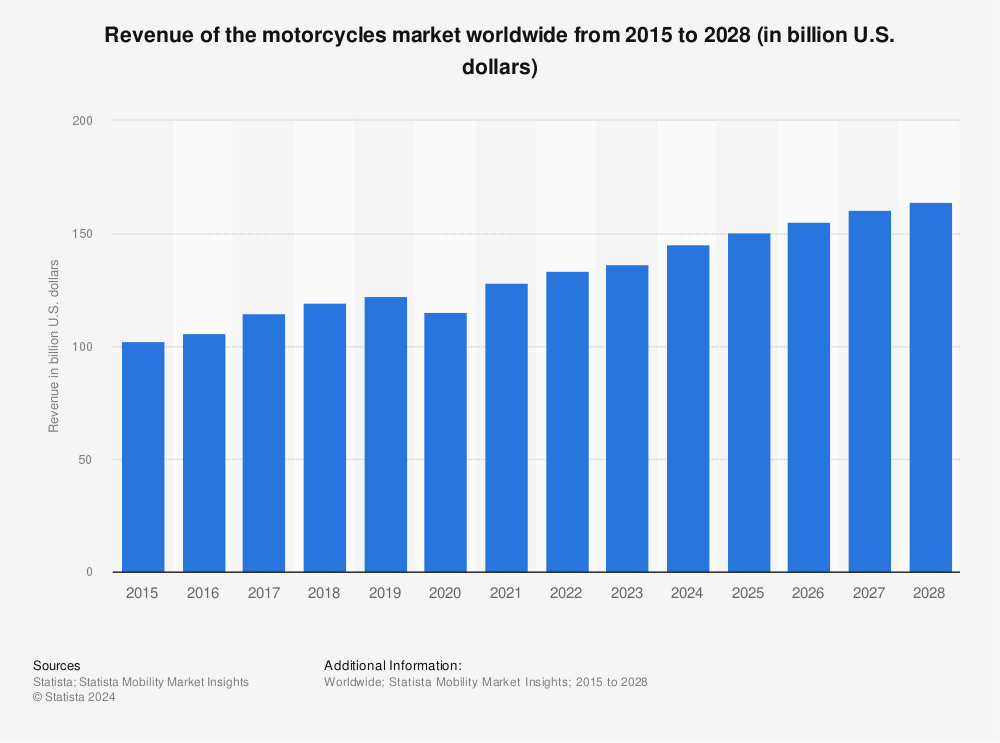
Once you have a true picture of your ideal customer it becomes easier to make informed decisions about advertising and marketing content, key messages, budgets and timings.
After all, if you target the wrong target audience, even if millions of people recognise your brand, you have massive website traffic and millions of social media followers, you still won’t convert interest into sales. Smarter marketers drive revenue rather than traffic.
Once you’ve put the work in to really know your audience, you can figure out how to reach them efficiently and what content to put in front of them.
Finally, always allow some wiggle room in your marketing plan for experimenting with selling to new audiences. You won’t know if you can grow your sales until you try expanding who you sell to.
Still need help to figure it all out and reach your target audience with truly engaging marketing content? Feel free to book a free consultation with the expert team here at Motorcycle Marketing and we’ll help define a winning strategy for your brand.
Keep on reading...

Marketing Checklist for Launching Your Motorcycle Business
Marketing Checklist for Launching Your Motorcycle Business Starting a new motorcycle business is exciting-but launching without a marketing plan is like riding without a map. Whether you’re opening a new gear store, launching a motorcycle tour company, or starting a custom workshop, the success of your motorcycle business launch depends not just on your passion […]

Planning Your Winter Motorcycle Marketing Strategies
Planning Your Winter Motorcycle Marketing Strategies It might still feel like prime riding season, but now is the perfect time to start planning your winter content strategy. When the bikes go into storage and the temperatures drop, rider behaviour changes-and so should your marketing. In this blog, we’ll explore how to keep your brand relevant, […]

Motorcycle Advertising Ideas: How to Spark Creative Campaigns That Work
Motorcycle Advertising Ideas: How to Spark Creative Campaigns That Work When you’re trying to come up with great motorcycle advertising ideas, it can be tempting to jump straight into tactics: “Let’s run a Facebook ad” or “What if we made a YouTube video?” But here’s the thing-without the right thinking behind it, even the most […]