Social Media Marketing

How to Build a Content Calendar for Your Motorcycle Brand
2025-11 | How to Build a Content Calendar for Your Motorcycle Brand

How to Build a Content Calendar for Your Motorcycle Brand

When you think of marketing your motorcycle business, “content calendar” probably doesn’t spark the same excitement as, say, launching a new product or attending a big event. But here’s the truth: behind every consistent, well-performing motorcycle brand is a well-structured plan. And it doesn’t need to kill your spontaneity or creativity. A content calendar is a tool that frees up mental space, allows your ideas to breathe, and ensures your audience always hears from you, without last-minute panic.

In this blog, we’ll explore what a content calendar really is (and isn’t), why it’s especially helpful in the motorcycle industry, and how to build one that helps you show up with purpose—week after week, month after month. If you’re a dealership, we’ve also got a downloadable 2026 Content Calendar Guide made just for you.

What Is a Content Calendar (And Why It’s Worth It)?

A content calendar is more than just a schedule. It’s your content strategy made visible and actionable. It maps out what you’re going to say, when and where you’re going to say it, and how that supports your business goals.

It can be a shared Google Sheet, a Trello board, or a professional scheduling platform. It’s not the tool that matters, but how you use it. Done well, your calendar helps you:

  • Stay consistent (even when you’re busy)

  • Align marketing with real-world events and product launches

  • Balance your messaging (so it’s not all “buy now” content)

  • Save time and avoid last-minute scrambling

And while many brands start thinking about content calendars ahead of a new year, this approach is valuable year-round—whether you’re planning for next month or next season.

Why Motorcycle Brands Should Use a Content Calendar

Motorcycling is a seasonal industry. And seasonal industries need strong planning.

Whether you’re running a gear brand, a tour company, or a local workshop, your customers’ needs change throughout the year. That means your marketing should shift too.

A dealership might want to promote battery tenders and workshop services in January, new bikes in March, and travel accessories in June. An adventure tour company may plan campaigns around booking seasons and weather windows. A gear brand could build anticipation around a spring/summer launch.

If you know what your audience needs at each stage, and you’re prepared in advance, you can show up with relevance instead of rushed content that misses the mark.

Another benefit? Consistency builds trust. When your brand shows up regularly with value—whether that’s tips, updates, community features, or offers—people begin to expect and appreciate it. That’s how long-term relationships start.

How to Create a Content Calendar That Works

Let’s walk through the process of creating a content calendar that’s actually useful—one you’ll want to keep using.

Start with a Content Audit

Before you look ahead, take a quick look back. What content worked well this year? Which blog posts brought in traffic? Which Instagram posts got people talking? What email had the highest click-through rate?

You don’t need to overanalyse, but learning from your own history helps shape smarter decisions moving forward.

Map Out the Big Moments

List key business milestones and external events you want to align with:

  • New product launches

  • Peak riding seasons

  • Industry events (like EICMA, local open days, etc.)

  • National holidays or sales opportunities

  • Off-season periods where you’ll need creative engagement

Don’t forget to include your internal schedule too. Are you short-staffed in January? Planning time off in summer? Block those out now so your content doesn’t fall flat when you’re away.

Choose Your Channels and Formats

Are you active on Instagram, Facebook, or TikTok? Do you send newsletters or write blog posts? Rather than doing everything, identify the formats that actually reach your audience and work for your business.

For example:

  • Use Instagram for daily engagement, Reels for reach, and Stories for behind-the-scenes

  • Use newsletters to promote events, share helpful content, and drive sales

  • Use your blog to build SEO and create content that’s easy to repurpose

Make sure your calendar reflects the formats you actually want to maintain.

Assign Monthly (or Weekly) Focus

Create a loose structure: January = winter prep tips. March = gear up for spring. August = late-summer adventures. November = holiday gift ideas.

This helps you keep a rhythm while still allowing flexibility for spontaneous posts, team updates, or trending topics.

Keep It Collaborative and Realistic

If you have a team, keep the calendar in a place everyone can access. Assign who’s responsible for what, and use the calendar to prevent bottlenecks.

And most importantly: don’t over-plan. If you’re a one-person business, don’t set yourself up for daily posts across five platforms. A sustainable plan beats a perfect one.

For Dealerships: Our 2026 Content Calendar Guide

Running a motorcycle dealership means juggling a lot; product sales, workshop bookings, customer questions, and seasonal demand. Your time is valuable, and marketing shouldn’t be an afterthought.

That’s why we created the 2026 Content Calendar Guide for Motorcycle Dealerships. It’s designed specifically for shops like yours that offer both products and workshop services. Inside, you’ll find:

  • Blog post ideas to boost your SEO and connect with your local riding community
  • Social media prompts tailored to key seasons, services, and product launches
  • Newsletter suggestions to keep your audience engaged and coming back

Think of it as your year-round marketing sidekick. With monthly themes, ready-to-use ideas, and inspiration for every season, it gives you a clear plan without the overwhelm.

This guide helps you show up consistently, stay relevant, and build lasting connections with your customers without spending hours figuring out what to post.

Set yourself up for success, free up your time, and focus on what you do best.

Working in a different niche within our industry? Let us know, and we’ll reach out once we’ve got a version tailored to your brand’s needs. 

Final Thoughts

Planning your content doesn’t mean locking yourself into a rigid plan—it’s about setting your marketing up for success. A good calendar gives you a framework to be consistent, relevant, and intentional.

And the best part? Once you’re ahead, you’ll actually have the time and headspace to make better content, respond to your audience, and enjoy the creative process.

So whether you’re setting goals for next year or simply want to stay on top of things starting this week, your calendar is your most underrated tool.

Need help? If you don’t have the time or capacity to plan and create your content calendar, we’d be happy to support you. Get in touch to chat through what you need.

Keep on reading...
How Sub-500cc Motorcycles Took Over Europe, The UK And Beyond

How Sub-500cc Motorcycles Took Over Europe, The UK And Beyond Across the globe sales of 300cc-500cc motorcycles have been booming and it’s easy to see why. Light enough to be easy to handle, capable enough to commute on, tour with and hit dirt roads on, they come without the price and weight of big ADVs […]
Motorcycle Advertising Ideas That Actually Drive Sales

Motorcycle Advertising Ideas That Actually Drive Sales What works today when you’re selling bikes, parts, apparel or services? A successful approach to selling B2C logically differs from selling B2B in terms of tone and placement, with the product or service dictating the relevant path of effective campaigns. This guide to the best motorcycle advertising ideas […]
Tsubaki becomes Official Global Supplier of MXGP

Tsubaki becomes Official Global Supplier of MXGP [PRESS RELEASE] Infront Moto Racing and Tsubaki are proud to announce their partnership that sees the Japanese manufacturer of premium motorcycle chains become an official global supplier for MXGP.  Tsubaki has long been familiar with competition, both on and off-road. From race wins to world titles, to Dakar victories and […]
BONUS: So You Want to Be a Motorcycle Brand Ambassador?

2025-10.2 | So You Want to Be a Motorcycle Brand Ambassador?

So You Want to Be a Motorcycle Brand Ambassador?

An honest guide for motorcycle content creators who want to land brand deals.

You’re putting in the effort. Your audience is starting to grow, you’re posting regularly, and your content is getting likes. But when it comes to landing brand deals, things just aren’t happening. Maybe you’ve reached out to companies and heard nothing back. Maybe you’re waiting for a message that never comes. You’re not alone.

The truth is, the space is crowded — and while there’s no magic formula for getting noticed, there are patterns we’ve seen again and again. Patterns that show up in the creators who consistently get brand deals… and the ones who don’t.

That’s what this guide is for. A straight-talking, practical look at what actually matters when it comes to working with motorcycle brands — and how to position yourself in a way that gets you closer to that first (or next) collaboration.

Now, who are we to be giving this advice? We’re Motorcycle Marketing, a marketing agency that specialises in the motorcycle industry. We support our clients with a wide range of services — from copywriting and social media strategy to brand campaigns and influencer collaborations. We’ve worked with brands like Yamaha Motor Europe, KTM, REV’IT!, Touratech, Peak Design, Dorna, and many more. 

Helping brands find the right content creators is one part of what we do. That said, it’s a part we take seriously. We spend a lot of time reviewing profiles, making selections, and advising our clients on who to work with. And we keep a database of creators we like — because finding good fits is hard. If you follow the advice in this guide, chances are, you’ll get on our radar.

We’re not here to promise quick wins or sell you strategies that work in other industries. We’re here to share what actually works in this niche, from the perspective of the people who help make these partnerships happen.

What Motorcycle Brands Are Actually Looking For

Let’s bust the biggest myth first: it’s not about follower count. Not really. Yes, numbers matter to some degree, but brands don’t just want reach — they want influence. They want creators who understand their audience, create engaging, relevant content, tell a story without sounding like a salesperson, and on top of that, are professional, reliable, and easy to work with.

If you have 5,000 loyal followers who trust your recommendations, you’re more valuable to a brand than someone with 50,000 ghost followers and zero interaction. The bottom line is simple: brands invest in creators who make them look good and feel confident about the partnership.

Personal Brand: Who Are You, Really?

This is where most creators struggle — and where the real opportunities begin.

Your personal brand isn’t your logo, your bike, or your follower count. It’s the answer to a much deeper question: what do people think of when they think of you? What story are you telling, and what kind of experience are you inviting people into?

When a brand checks out your profile, they want to know who you are, what you stand for, and what it would feel like to collaborate with you. And that impression is formed within seconds.

If someone scrolls your feed for ten seconds, will they walk away with a sense of your style, your values, and your personality? Or will they just see static bike photos with no context, no face, and no story?

You don’t need to overshare or turn your life into content. But you do need to be recognisable. That probably means showing your face. It might mean writing captions that actually say something. It could mean choosing a colour scheme, tone of voice, or type of content that’s distinctly you.

What Is Personal Branding, Really?

Personal branding is the way you present yourself (in this case, online) in a way that feels consistent, intentional, and memorable. It includes your tone of voice, your visuals, your content themes, and even the way you interact with your audience. It’s the difference between being “someone with a nice bike” and “that rider who always shares great riding tips and funny trail stories.”

Why It Matters So Much

Brands don’t partner with bikes. They partner with people. And people connect with stories, personalities, and values. If your content never reveals anything about you, it becomes hard for a brand to imagine you recommending their product in a way that feels real.

Ambassadors represent a brand. That doesn’t mean you need to be polished or corporate. In fact, we often look for raw, real, and relatable. But you do need to stand for something, and your feed should reflect it.

How to Build a Personal Brand That Attracts Brands

Start by thinking about your niche. Are you a track day regular? A touring couple? A solo female rider? A gearhead who loves building bikes? You don’t need to pick just one thing, but your content should reflect your world in a way that makes sense.

Next, think about tone. Are you funny? Technical? Inspiring? Down-to-earth? Choose a tone that suits you and stick with it. It helps people know what to expect and makes your content more engaging.

Then look at your visuals. Your photos and videos don’t need to be perfect, but they should feel like they belong together. The occasional moody edit next to a bright, colourful meme might make sense in the moment, but if your feed feels chaotic, it’s harder to remember you.

And finally: show your face. No, it’s not mandatory. Yes, it’s possible to grow without it. But if you’re hoping to be someone’s ambassador, people need to know who you are. It’s about trust. It’s about connection. It’s about making your audience (and a potential brand partner) feel like they know you.

If this part feels overwhelming, you’re not alone. But the creators who take the time to define their personal brand are the ones we consistently see grow — and get noticed.

Your Content: Make It Matter

This is the second-biggest mistake we see: creators who only post static shots of their bikes. Or who are just standing next to it. No story, no vibe, no reason for anyone to care.

Every piece of content should say something.

A scraped-up knee slider? That’s a great track day. A dusty helmet and a beat-up pair of boots? You’ve clearly been somewhere cool. A row of tents on a cliff with bikes parked next to them at sunset? Now that makes us want to be there.

Even static shots can tell a story. You just have to think like a rider, not a catalogue. Ask yourself: what story am I telling with this photo? What mood am I creating? What reaction do I want?

And that brings us to one of the most important — and overlooked — skills in content creation: storytelling.

Storytelling doesn’t mean writing a novel in your caption or scripting every frame of your reel. It simply means being intentional about the way you share your moments. Think of your content as an invitation. You’re not just showing what happened — you’re making people want to be there, or feel like they were.

Whether it’s a wild off-road ride, a chill Sunday spin, or a moment of fixing a flat tyre in the rain with your mates, your audience should be able to relate to it, crave it, or both. They should either want to join you, ride with you, or smile and think, “Yep, been there.”

The best storytelling happens when you show your experience, not just the outcome. That could be:

  • A clip of your buddy helping push your bike out of the mud
  • A timelapse of pitching camp at golden hour
  • A close-up of your hands adjusting your setup before a race
  • A voiceover explaining how a recent ride tested your skills or your gear

The point isn’t perfection. The point is connection.

And yes, spontaneity still has a place. Some of the best stories come from unexpected moments — a fail, a funny comment, a surprise change in weather. Don’t script those out. Just train yourself to spot the moments worth sharing. You’ll get better at it the more you ride with content in mind, without letting it take over the ride.

And while we’re at it: mix things up. Reels, POV rides, before/after builds, carousel stories, behind-the-scenes snaps. Give people a reason to follow you, not just your bike.

A Shout Out to the Ones Who Get It

We could easily list a hundred fantastic examples, but these are some of the posts we've really enjoyed recently.

Collab Readiness: Would You Pick You?

You don’t need to look like a polished influencer to be considered for a collaboration — but you do need to make it easy for brands to say yes.

Start with the basics: your profile should be public, and your bio should quickly explain who you are and what kind of content you create. If you include a link in your bio (like a Linktree), it’s fine to add a “Work with me” page — but it’s not essential. What matters more is that you’re easy to reach and your profile looks active and intentional.

One of the most common missed opportunities? Creators who don’t check their inbox. Make it a habit to check your DMs daily, including your message requests and spam folder. We’ve contacted plenty of promising creators who simply never saw the message.

Also take a moment to look at your profile from a brand’s point of view. Is it clean, cohesive, and up to date? Do your highlights reflect the kind of riding you do or the content you create? Is there a consistent tone or vibe?

You don’t need a media kit. You don’t need a pinned post with stats. But you do need to show that you’re professional, approachable, and ready when the right opportunity comes your way.

Don’t Scare Brands Off

We’re all for personality. But there is a line between being edgy and being a liability. Some of the things that make us instantly scroll past? Aggressive or offensive music in reels. Lyrics full of foul language. Inconsistent tone — serious one day, completely unhinged the next. Oversexualised content. Inappropriate jokes.

And here’s a big one: riding irresponsibly. We all love a good wheelie now and then, but if you’re doing it on a busy highway surrounded by traffic, it’s not a good look. Brands won’t want to associate with behaviour that’s illegal, dangerous, or a disturbance to the community. The same goes for riding in flip-flops, shorts, or without any protective gear, especially if you’re hoping to work with a gear brand. Style is great, but safety still matters.

You don’t have to play it safe. But you do have to know your audience — and that includes potential brand partners.

We’re not asking you to censor yourself. We’re asking you to think strategically. If you wouldn’t want your content played out loud at a client meeting, maybe don’t make it the first impression a brand has of you.

How to Approach Brands Without Crashing the Party

Reaching out to brands is not a bad thing — in fact, it can be the start of a great collaboration. But how you do it matters just as much as what you say.

The worst message a brand can receive is: “Hi, do you want to collaborate?” with no context, no introduction, and no real thought. If you’ve ever sent that message, don’t worry, you’re not alone. But it’s time to level up.

If you want to approach a brand, start by doing your homework. Follow them. Engage with their content; you might already get on the brand’s radar. Understand their tone, their products, and their values. When you do reach out, introduce yourself clearly. Mention what kind of content you create, why you genuinely like the brand, and how you think your audience aligns with theirs. Keep it short, but thoughtful.

It’s also okay to follow up once if you don’t hear back, but don’t chase. If a brand doesn’t reply, they’ve seen it and chosen not to respond, for now. Don’t take it personally. Just focus on improving your content and being visible.

And finally: timing matters. Don’t pitch when your content isn’t ready, or when your feed doesn’t reflect the kind of quality a brand would want to see. Lead with value, not requests.

Once You’re In: Be a Good Partner

Landing a collab is just the beginning. How you handle the partnership determines whether it will be a one-off or the start of something longer term.

The best creators we’ve worked with are communicative, reliable, and proactive. They ask questions when they’re unsure. They meet deadlines (or give advance warning if they can’t). They tag brands properly, share links, and send through insights and stats after the content goes live.

They also create content that fits the brief — but still feels like them. And they often go above and beyond: extra stories, behind-the-scenes clips, or useful feedback.

If you want to stand out, treat every collab like a professional partnership, not just a free product drop. That’s how long-term relationships start.

Getting on Our Radar

As we mentioned earlier, we maintain a database of creators we like — for ourselves and for our clients. We can’t always reach out right away, but we’re always watching the space.

If you follow the tips in this guide, stay consistent, and keep showing up, chances are we’ll find you. Want to help that along? Tag us in relevant posts. Drop us a message to say hi — not to pitch, just to connect. Be visible in the right way.

We don’t play favourites, but we do remember the ones who make it easy to say yes.

Final Thoughts

There’s no formula, no guaranteed path, no “post three reels and brands will come running” trick. But there is a way to do this that builds real opportunities.

Start with your personal brand. Focus on content that tells a story. Be easy to find, easy to contact, and easy to work with. Don’t chase trends or numbers, chase connection and consistency.

Most of all: stay real. We’re not looking for perfection. We’re looking for creators who care about what they’re putting out there, both on and off the bike.

Keep on reading...

How Sub-500cc Motorcycles Took Over Europe, The UK And Beyond

How Sub-500cc Motorcycles Took Over Europe, The UK And Beyond Across the globe sales of 300cc-500cc motorcycles have been booming and it’s easy to see why. Light enough to be easy to handle, capable enough to commute on, tour with and hit dirt roads on, they come without the price and weight of big ADVs […]

Motorcycle Advertising Ideas That Actually Drive Sales

Motorcycle Advertising Ideas That Actually Drive Sales What works today when you’re selling bikes, parts, apparel or services? A successful approach to selling B2C logically differs from selling B2B in terms of tone and placement, with the product or service dictating the relevant path of effective campaigns. This guide to the best motorcycle advertising ideas […]

Tsubaki becomes Official Global Supplier of MXGP

Tsubaki becomes Official Global Supplier of MXGP [PRESS RELEASE] Infront Moto Racing and Tsubaki are proud to announce their partnership that sees the Japanese manufacturer of premium motorcycle chains become an official global supplier for MXGP.  Tsubaki has long been familiar with competition, both on and off-road. From race wins to world titles, to Dakar victories and […]

Marketing Checklist for Launching Your Motorcycle Business

2025-10 | Marketing Checklist for Launching Your Motorcycle Business

Marketing Checklist for Launching Your Motorcycle Business

Starting a new motorcycle business is exciting—but launching without a marketing plan is like riding without a map. Whether you're opening a new gear store, launching a motorcycle tour company, or starting a custom workshop, the success of your motorcycle business launch depends not just on your passion or products, but on how well you communicate them.

This blog is your marketing roadmap: practical, down-to-earth, and tailored for motorcycle entrepreneurs ready to make a strong first impression.

Define Your Brand Early

Before printing flyers or posting on Instagram, get clear on what your business stands for. What makes you different from the shop down the street or the dozen other accounts online? Defining your brand includes your name, logo, tone of voice, and core message—but also your values, audience, and style. Are you premium or budget? Rugged or refined? Fun and cheeky, or technical and serious? Every decision you make from here should align with that identity.

Build Your Digital Foundation

Even if you're not launching with a full website, set up your digital basics early. Secure your domain name and create at least a simple landing page with your contact details and "coming soon" messaging. Set up your business profiles on Google, Facebook, and Instagram. If you're offering local services, this step is especially important for discoverability.

Also, set up a basic email marketing tool like MailerLite or Mailchimp so you can start collecting email addresses from day one.

Create a Content Plan Before Launch

Don't wait until launch day to post your first photo. Start building interest weeks in advance with content that introduces you, your brand story, and your "why."

Document the setup process—from fitting out the workshop to unpacking gear. Tease new arrivals, showcase behind-the-scenes moments, and share countdowns. This creates early momentum and gives your future customers something to connect with.

Build an Audience Ahead of Launch

Create a "coming soon" sign-up page on your site with a small incentive: early access, a discount code, or a giveaway. Use this to start building your email list.

On social media, introduce yourself with short videos or photos and ask your community to follow along. Even if you only post once or twice a week, do it consistently. You’re not just building an audience—you’re laying the foundation of a community.

Collaborate With Others

Reach out to other small businesses, creators, or even local riders for partnerships. Could you team up with a local coffee shop for a launch party? Could an influencer help you get the word out?

Early collaborations expand your reach and add credibility. It’s also a great way to strengthen your brand’s ties to the wider motorcycle community.

Set Up Tracking and Feedback Loops

Even in the early days, data matters. Set up Google Analytics and the Meta Pixel so you can track who’s visiting your website and what they’re doing there. It’ll help you make smarter decisions later.

Also plan how you’ll collect feedback. Ask early customers what they loved and what could be better. Run quick Instagram polls or follow up with a short email survey. These insights are gold.

Plan Your Launch Campaign

Pick a launch date and work backwards. Outline what you want to share each week leading up to the big day. This could include sneak peeks, giveaways, brand story highlights, or behind-the-scenes content.

Create a simple content calendar so you’re not scrambling at the last minute. Use scheduling tools like Meta Business Suite or Later to prepare your posts ahead of time and take pressure off launch week.

Final Thoughts

Launching a motorcycle business is a big move, but your marketing doesn’t have to be overwhelming. Focus on consistency, community, and clarity. Start small but intentional.

And remember: you don’t have to do it alone.

Want help launching your motorcycle brand with confidence? At Motorcycle Marketing, we support businesses of all sizes with strategy, content, and long-term brand growth. Contact us now to get started.

Keep on reading...

How Sub-500cc Motorcycles Took Over Europe, The UK And Beyond

How Sub-500cc Motorcycles Took Over Europe, The UK And Beyond Across the globe sales of 300cc-500cc motorcycles have been booming and it’s easy to see why. Light enough to be easy to handle, capable enough to commute on, tour with and hit dirt roads on, they come without the price and weight of big ADVs […]

Motorcycle Advertising Ideas That Actually Drive Sales

Motorcycle Advertising Ideas That Actually Drive Sales What works today when you’re selling bikes, parts, apparel or services? A successful approach to selling B2C logically differs from selling B2B in terms of tone and placement, with the product or service dictating the relevant path of effective campaigns. This guide to the best motorcycle advertising ideas […]

Tsubaki becomes Official Global Supplier of MXGP

Tsubaki becomes Official Global Supplier of MXGP [PRESS RELEASE] Infront Moto Racing and Tsubaki are proud to announce their partnership that sees the Japanese manufacturer of premium motorcycle chains become an official global supplier for MXGP.  Tsubaki has long been familiar with competition, both on and off-road. From race wins to world titles, to Dakar victories and […]

Planning Your Winter Motorcycle Marketing Strategies

motorcycle on road with winter sunset

Planning Your Winter Motorcycle Marketing Strategies

It might still feel like prime riding season, but now is the perfect time to start planning your winter content strategy. When the bikes go into storage and the temperatures drop, rider behaviour changes—and so should your marketing. In this blog, we’ll explore how to keep your brand relevant, support sales, and stay connected with your audience during the quieter season.

Keep Riders Engaged When They’re Off the Bike

Just because people ride less in winter doesn’t mean they stop caring about motorcycles. Your content should reflect the shift in their behaviour. When riders aren’t out on the road, they have more time to read, watch, learn, and dream. Focus on content that fuels their passion and keeps your brand top of mind.

Think winter maintenance tips, gear guides, travel inspiration for 2026, and rider interviews. These types of content keep your audience engaged until the next riding season.

If you have a physical location, it’s also a great time to host in-person events and meetups. While it might not be ideal for ride-outs, consider inviting your audience to a maintenance workshop, a talk from a world traveler, or a mini expo showcasing new 2026 collections. These events give your community a reason to connect and interact with your brand—even off the bike.

Drive Sales During the Off-Season

Even when riders aren’t buying bikes or planning trips, they’re still shopping—especially in the run-up to the holidays. Black Friday, Cyber Monday, and Christmas are big opportunities for smart campaigns.

Use your content to highlight what makes your products or services great gift material. Create guides tailored to different types of riders or budgets. Promote gift cards, limited-edition bundles, and even last-minute delivery options for the procrastinators.

If you sell gear, parts, accessories, or experiences, this is the time to put them front and centre. Combine product spotlights with useful or entertaining content to keep your messaging from feeling too salesy.

Prep Your Marketing for Time Of

Planning to take time off around Christmas and New Year’s? You’re not alone—and it’s more than doable with the right prep.

Start by mapping out your holiday content now. Schedule campaigns in advance, prep newsletters, and line up social posts using planning tools like Hootsuite or Meta’s Business Suite. If your inbox or DMs usually get busy over the holidays, create auto-replies that let customers know when to expect a response.

This kind of prep isn’t just for peace of mind—it keeps your brand looking professional and consistent, even when you’re taking a well-earned break.

Stay True to Your Brand Through the Holidays

Holiday content can quickly veer into cheesy or off-brand territory if you’re not careful. There’s no need to plaster snowflakes on everything or force Santa hats onto your product photos.

Instead, focus on what makes sense for your audience. Maybe it’s a heartfelt thank-you message, a recap of the year, or a spotlight on your favourite customer stories. You could run a fun giveaway, do a behind-the-scenes look at how your team celebrates, or even highlight how riders in different parts of the world experience winter.

Whatever you do, stay authentic. Riders can tell when you’re just jumping on the seasonal bandwagon.

Actionable Steps to Prepare for Winter Marketing

Feeling ready to make winter work for your brand? Here’s your action plan—a practical checklist to help you turn seasonal quiet into a strategic advantage. Start now, and you’ll avoid last-minute stress and stay one step ahead.

  • Review last year’s data – Identify what worked well last winter and what didn’t. 
  • Brainstorm winter-specific content themes – Think maintenance tips, rider stories, gift guides, and inspirational travel ideas. 
  • Decide on your holiday tone – Keep it authentic, on-brand, and relevant to your riding audience. 
  • Plan your promotions – Prepare Black Friday, holiday, and post-Christmas campaigns well in advance. 
  • Create a content calendar – Map out your posts, newsletters, and campaigns from now through early January. 
  • Prep your visuals – Shoot product photos or event teasers now before the weather turns. 
  • Batch and schedule content – Write your posts and emails ahead of time and use scheduling tools to stay consistent during your time off. 
  • Line up collaborations – Reach out to ambassadors, partners, or speakers now if you’re planning events or joint campaigns. 
  • Coordinate with your team – If you’re taking time off, make sure someone is covering messages or set up auto-responders.

Make Winter Work for You

Marketing during the winter season doesn’t have to be difficult or dull. With the right prep, it’s an opportunity to stand out while others go quiet. Whether you’re supporting sales, growing your brand, or simply staying connected, what you do now will set the tone for the new year.

Need help building a strong winter campaign that works for your motorcycle audience? Motorcycle Marketing is here to help. Get in touch and let’s get started.

Keep on reading...

How Sub-500cc Motorcycles Took Over Europe, The UK And Beyond

How Sub-500cc Motorcycles Took Over Europe, The UK And Beyond Across the globe sales of 300cc-500cc motorcycles have been booming and it’s easy to see why. Light enough to be easy to handle, capable enough to commute on, tour with and hit dirt roads on, they come without the price and weight of big ADVs […]

Motorcycle Advertising Ideas That Actually Drive Sales

Motorcycle Advertising Ideas That Actually Drive Sales What works today when you’re selling bikes, parts, apparel or services? A successful approach to selling B2C logically differs from selling B2B in terms of tone and placement, with the product or service dictating the relevant path of effective campaigns. This guide to the best motorcycle advertising ideas […]

Tsubaki becomes Official Global Supplier of MXGP

Tsubaki becomes Official Global Supplier of MXGP [PRESS RELEASE] Infront Moto Racing and Tsubaki are proud to announce their partnership that sees the Japanese manufacturer of premium motorcycle chains become an official global supplier for MXGP.  Tsubaki has long been familiar with competition, both on and off-road. From race wins to world titles, to Dakar victories and […]

Motorcycle Advertising Ideas: How to Spark Creative Campaigns That Work

Motorcycle Advertising Ideas: How to Spark Creative Campaigns That Work

Motorcycle Advertising Ideas: How to Spark Creative Campaigns That Work

When you're trying to come up with great motorcycle advertising ideas, it can be tempting to jump straight into tactics: "Let’s run a Facebook ad" or "What if we made a YouTube video?" But here’s the thing—without the right thinking behind it, even the most polished ad won’t move the needle.

This blog will help you take a more strategic approach to idea generation, then walk you through proven, creative advertising ideas tailored to your type of motorcycle business. Whether you run a local dealership, a gear brand, or a tour company, we’ll help you move past generic campaigns and into meaningful, effective advertising.

Why Fresh Ideas Matter in Motorcycle Advertising

The motorcycle industry thrives on passion, lifestyle, and identity. Riders don't just buy bikes or gear—they buy into a feeling. And with so many brands vying for attention, originality is everything. If your ad looks and sounds like everyone else’s, you're not just blending in—you’re invisible.

Especially in niche segments like ADV riding, custom builds, or touring, being specific, relevant, and authentic can be your biggest advantage.

How to Think About Advertising Ideas

Before we even get to the creative concepts, let’s get the foundation right.

Start with your audience Who are you talking to? Commuters? Long-distance tourers? Dirt-loving ADV riders? Each group responds to different visuals, language, and emotions. Your ad should feel like it was made for them.

Know your brand voice and identity A high-end custom shop shouldn’t sound the same as a fun, beginner-friendly riding school. Make sure your ideas reflect the vibe you want to give off.

Think in terms of the rider journey Where is your audience in the funnel? A cold lead might need an inspiring brand video. Someone who already knows you might just need a final nudge with a time-limited offer. Even the same tactic—like a paid ad—can work differently depending on the rider’s stage. These are just examples. A well-integrated campaign will adjust tactics based on goals and customer journey stage.

Use your community Your audience can help generate ideas, too. Use polls, DM feedback, and comment threads to see what people are excited about. You’ll often discover stories and angles you wouldn’t have thought of yourself.

Motorcycle Advertising Ideas by Business Type

Now let’s get into the creative fuel. Below are some fresh and actionable advertising ideas tailored to different kinds of motorcycle businesses.

For Motorcycle Dealers

  • Test ride campaigns: Promote free test ride days via paid ads targeting local audiences. Use lead forms to capture data for follow-ups.
  • Seasonal sales with urgency: Combine showroom photos with limited-time offers tied to the riding season.
  • Live event coverage: Use real-time social media updates to showcase in-store events, open houses, or local rides.
  • Customer highlight videos: Create short clips featuring real riders picking up their bikes and sharing why they chose it.

For Gear & Apparel Brands

  • UGC contests: Run campaigns where customers share photos in your gear, then feature them in your ads.
  • Ambassador-led campaigns: Use brand ambassadors to showcase real-world use through social content and targeted paid ads.
  • Style-focused reels: Show different looks or gear setups for various riding styles, tied into trending audio.
  • Behind-the-scenes content: Use advertising to pull back the curtain on product development, testing, and rider feedback.

For Parts & Accessories Brands

  • Problem-solution ads: Start with a common rider frustration, then introduce your product as the fix.
  • Comparison content: Use short-form ads to show the difference in performance, durability, or install time between your product and others.
  • Tech explainer videos: Especially great on YouTube or Meta, where you can go deeper with detail.
  • Search-intent retargeting: Create Google Ads that follow up on product-related search queries with offers or helpful content.

For Motorcycle Tour & Travel Companies

  • Emotion-led video ads: Focus on what the experience feels like, not just the itinerary.
  • Client spotlight reels: Use footage and testimonials from past riders to tell authentic stories.
  • Geo-targeted campaigns: Run campaigns targeting riders in high-interest areas with clear CTAs and availability.
  • Content-based ads: Promote blogs or video diaries instead of only pushing booking pages. Let the story sell the trip.

Final Tip: Don’t Rely on One Channel

Creative campaigns work best when they play across multiple platforms. If you're running a Facebook ad, make sure your email newsletter, Instagram stories, and website messaging all support the same idea. That way, every touchpoint reinforces the message.

There are endless ways to approach motorcycle advertising, but the strongest ideas come from knowing your audience, owning your brand voice, and delivering creative that connects. If you want help turning your next idea into a real campaign, the Motorcycle Marketing team is ready. Get in touch and let’s bring your next advertising campaign to life.

Keep on reading...

How Sub-500cc Motorcycles Took Over Europe, The UK And Beyond

How Sub-500cc Motorcycles Took Over Europe, The UK And Beyond Across the globe sales of 300cc-500cc motorcycles have been booming and it’s easy to see why. Light enough to be easy to handle, capable enough to commute on, tour with and hit dirt roads on, they come without the price and weight of big ADVs […]

Motorcycle Advertising Ideas That Actually Drive Sales

Motorcycle Advertising Ideas That Actually Drive Sales What works today when you’re selling bikes, parts, apparel or services? A successful approach to selling B2C logically differs from selling B2B in terms of tone and placement, with the product or service dictating the relevant path of effective campaigns. This guide to the best motorcycle advertising ideas […]

Tsubaki becomes Official Global Supplier of MXGP

Tsubaki becomes Official Global Supplier of MXGP [PRESS RELEASE] Infront Moto Racing and Tsubaki are proud to announce their partnership that sees the Japanese manufacturer of premium motorcycle chains become an official global supplier for MXGP.  Tsubaki has long been familiar with competition, both on and off-road. From race wins to world titles, to Dakar victories and […]

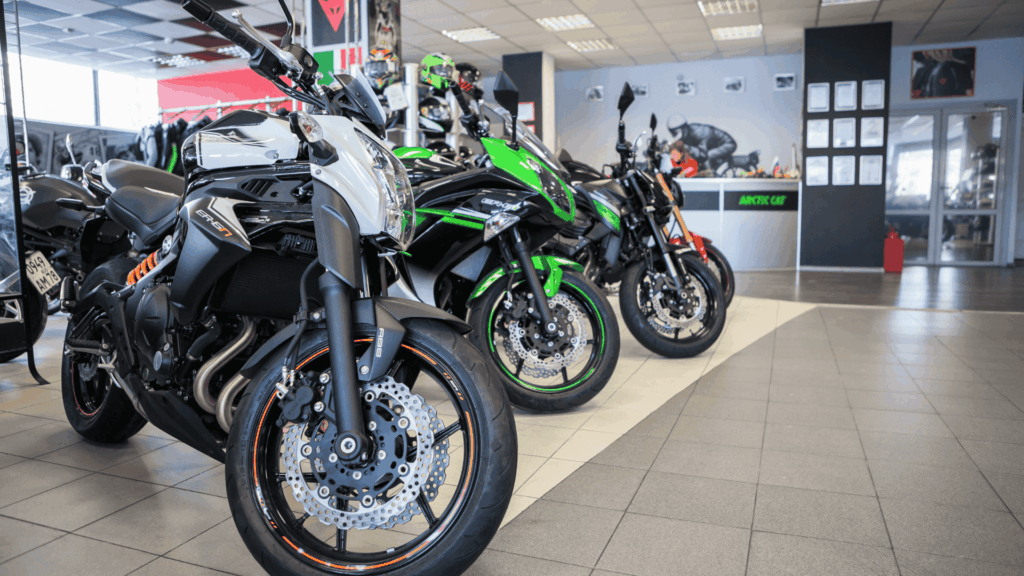
A photo taken inside a motorcycle dealerships, displaying several motorcycles for sale.

Motorcycle Dealer Websites: How to Go from Good to Great

A photo taken inside a motorcycle dealerships, displaying several motorcycles for sale.

Motorcycle Dealer Websites: How to Go from Good to Great

Many riders, when looking for a new bike or dealer, they’re not walking through your doors first—they’re visiting your website. And that visit can either make or break their decision to move forward. While most motorcycle dealers today have a functional online presence, "good enough" isn't enough to stand out in a competitive industry. In this guide, we’ll break down what makes a truly effective motorcycle dealer website. We’ll cover copy, design, content, and strategy, all with the goal of helping you turn your site into a high-performing business asset.

What Should a Dealer Website Actually Do?

Your website isn’t just a digital business card. It should help you:

  • Attract new customers
  • Showcase inventory clearly and professionally
  • Provide answers quickly
  • Reflect your unique brand and personality
  • Drive bookings, test ride requests, or in-store visits

In short, your site should act as a virtual salesperson that works 24/7. But too often, we see websites that are cluttered, out of date, or trying to do too much without a clear strategy.

The Core Foundations of a Great Motorcycle Dealer Website

No matter how sleek your design, if the basics aren’t right, the experience will fall flat. A strong dealer website should:

  • Be mobile-optimised and fast loading. Riders are often browsing on their phones, and slow load times lead to high bounce rates.
  • Feature easy navigation. Make it simple for people to find inventory, contact info, services, and promotions.
  • Offer real-time (or frequently updated) inventory listings. No one wants to call about a bike that was sold last week.
  • Include strong calls to action like "Book a Test Ride," "Contact Us," or "Get a Quote."

Why Copy Matters More Than You Think

It’s easy to focus on photos and forget about the words. But copy is what guides a visitor through the site and builds trust. The best dealer websites use clear, confident language that sounds human, not like a generic brochure.

Speak directly to your customers: highlight benefits, answer questions before they’re asked, and reflect the tone of your dealership. Localised keywords and well-structured text also help improve your SEO, making your site more likely to show up in search results.

The Power of Great Imagery

When it comes to visual impact, high-quality images make all the difference. Dealers should showcase bikes with multiple angles, clear lighting, and close-ups of key features. Bonus points for including short video clips or walkarounds.

Beyond product images, consider showing your team, your showroom, or riders who’ve purchased from you. This builds trust and makes your site feel personal and welcoming.

From Good to Great: What Top-Performing Sites Do Differently

Top-tier dealer websites go beyond the basics. They build brand loyalty and trust through extra features like:

  • Customer testimonials and Google reviews
  • Team bios and behind-the-scenes content
  • Blog posts or news updates for fresh SEO-friendly content
  • Highlighted promotions, events, or demo days
  • Live chat or chatbot features to capture leads

Keep It Fresh, Functional and Focused

A great site isn’t just built once and forgotten. It needs regular maintenance and updates. Outdated promotions, broken links, or a blog last updated in 2022 can make your business look inactive.

Audit your site regularly. Remove or update anything that’s no longer relevant, keep your inventory current, and make sure your contact info and business hours are always accurate.

Conclusion: Make Your Website Work for You

Your dealership’s website should do more than look good—it should help drive real results. That means focusing on clarity, connection, and conversion.

Whether you want a quick audit or need a full update of your website, the Motorcycle Marketing team is here to help. We know the motorcycle industry inside out, and we’ll work with you to make sure your website becomes a true engine of growth. Ready to go from good to great? Contact us to schedule a free consultation.

Keep on reading...

How Sub-500cc Motorcycles Took Over Europe, The UK And Beyond

How Sub-500cc Motorcycles Took Over Europe, The UK And Beyond Across the globe sales of 300cc-500cc motorcycles have been booming and it’s easy to see why. Light enough to be easy to handle, capable enough to commute on, tour with and hit dirt roads on, they come without the price and weight of big ADVs […]

Motorcycle Advertising Ideas That Actually Drive Sales

Motorcycle Advertising Ideas That Actually Drive Sales What works today when you’re selling bikes, parts, apparel or services? A successful approach to selling B2C logically differs from selling B2B in terms of tone and placement, with the product or service dictating the relevant path of effective campaigns. This guide to the best motorcycle advertising ideas […]

Tsubaki becomes Official Global Supplier of MXGP

Tsubaki becomes Official Global Supplier of MXGP [PRESS RELEASE] Infront Moto Racing and Tsubaki are proud to announce their partnership that sees the Japanese manufacturer of premium motorcycle chains become an official global supplier for MXGP.  Tsubaki has long been familiar with competition, both on and off-road. From race wins to world titles, to Dakar victories and […]

How Integrated Campaigns Fuel Real Results in Motorcycle Marketing

2025-06 | How Integrated Campaigns Fuel Real Results in Motorcycle Marketing

How Integrated Campaigns Fuel Real Results in Motorcycle Marketing

In the motorcycle industry, it’s easy to fall into the trap of thinking marketing means just “running a few ads” or “posting on social now and then.” But brands that rely on isolated tactics often end up with scattered results and no real momentum.

That’s because modern motorcycle marketing isn’t about standalone efforts. It’s about creating campaigns that connect the dots across channels, audiences, and buyer stages. In this article, we’re exploring why integrated motorcycle marketing campaigns deliver stronger results than any one tactic on its own, and how you can apply this strategy to your brand.

What Do We Mean by “Integrated”?

An integrated marketing campaign is a coordinated effort across multiple channels—paid, organic, offline, and online—that works toward a shared goal with a consistent message and brand experience. It’s not about doing everything at once; it’s about making sure everything you do is connected and intentional.

That might look like launching a new product with teaser posts, ambassador content, a press release, and a landing page all built around the same story. Or it could mean promoting a tour by combining newsletter storytelling, paid retargeting ads, and being present at events. Even a smaller campaign becomes much stronger when every element supports the same message and goal.

What it’s not: running a discount ad without updating your website, launching a product without informing your ambassadors, or posting about an event long after it happened, without anything tying it to the bigger brand story.

Why Integration Works

In a well-integrated campaign, each touchpoint strengthens the next. But what each channel achieves depends entirely on your strategy and the stage of the customer journey.

A paid ad might be used to build brand awareness among new riders, or it could serve as a gentle retargeting reminder for those who already interacted with your brand. A newsletter might work as long-term nurturing for interested leads or as the final nudge during a product launch. An ambassador post can introduce someone to your brand or add the final layer of trust that leads to a conversion. Even a conversation at an event might either close a sale or plant the seed for a longer-term relationship.

None of these pieces is meaningless on its own, but they become dramatically more effective when they work together. Think of a rider who sees your ad, then recognises the brand again in a friend’s social post, clicks through a helpful newsletter, and finally meets your team at a show. That purchase isn’t the result of one single ad; it’s the outcome of a thoughtful journey.

Each part of the funnel works on its own, but combining them multiplies the effect. It’s not about one thing working better, it’s about everything working together.

What to Watch Out For

Despite good intentions, many brands fall into common traps. They might run ads with no supporting content, or push out ambassador posts but fail to reshare or engage with them. Sometimes they send a newsletter to an audience that hasn’t heard from them in months, or forget to give each channel a clear, shared message. The biggest mistake? Treating each tactic as a separate effort, rather than tying it into a larger campaign strategy.

How to Get Started

Building an integrated campaign doesn’t mean you have to be everywhere at once. It just means being intentional about how your brand shows up and making sure your efforts are working together.

Here’s a simple framework to get started:

  • Clarify your campaign objective. What’s the one thing you want to achieve—awareness, engagement, bookings, or sales?

  • Choose the right platforms. Focus on where your audience is active and where you can show up consistently.

  • Create aligned content. Every piece—whether it’s a post, email, or ad—should reinforce the core message.

  • Set a realistic timeline. Don’t try to do everything at once. Space it out, build momentum.

  • Track results and refine. Look at performance across channels to learn what’s working and where to improve.

Keep the tone, visuals, and call to action aligned across everything. If you’re driving toward bookings, clicks, or trust, make sure that’s reflected in every touchpoint. And as always: measure what you can, adjust as needed, and learn for the next round.

Final Thoughts

In today’s motorcycle market, visibility isn’t enough. Riders need consistency, connection, and credibility. Integrated marketing campaigns don’t just help brands stand out; they help them stay top of mind, build deeper relationships, and turn one-time buyers into long-term fans.

At Motorcycle Marketing, we specialise in creating campaigns that don’t just make noise, they move riders through the journey. From ads and email to events and ambassadors, we know how to connect the dots. Reach out to see how we can help your brand.

Keep on reading...

How Sub-500cc Motorcycles Took Over Europe, The UK And Beyond

How Sub-500cc Motorcycles Took Over Europe, The UK And Beyond Across the globe sales of 300cc-500cc motorcycles have been booming and it’s easy to see why. Light enough to be easy to handle, capable enough to commute on, tour with and hit dirt roads on, they come without the price and weight of big ADVs […]

Motorcycle Advertising Ideas That Actually Drive Sales

Motorcycle Advertising Ideas That Actually Drive Sales What works today when you’re selling bikes, parts, apparel or services? A successful approach to selling B2C logically differs from selling B2B in terms of tone and placement, with the product or service dictating the relevant path of effective campaigns. This guide to the best motorcycle advertising ideas […]

Tsubaki becomes Official Global Supplier of MXGP

Tsubaki becomes Official Global Supplier of MXGP [PRESS RELEASE] Infront Moto Racing and Tsubaki are proud to announce their partnership that sees the Japanese manufacturer of premium motorcycle chains become an official global supplier for MXGP.  Tsubaki has long been familiar with competition, both on and off-road. From race wins to world titles, to Dakar victories and […]
The Power of Brand Ambassadors: How to Find and Work with the Right Riders

The Power of Brand Ambassadors

The Power of Brand Ambassadors: How to Find and Work with the Right Riders

In the motorcycle world, trust and authenticity matter more than anything. Riders don’t just buy products—they buy into lifestyles, experiences, and communities. That’s why brand ambassadors have become such a powerful force in motorcycle marketing. A well-chosen ambassador doesn’t just promote a brand; they live it, breathe it, and inspire others to do the same.

But how do motorcycle brands find the right ambassadors, and how can they create a program that drives real engagement? This guide breaks it down, step by step.

What Is a Motorcycle Brand Ambassador?

A brand ambassador is a passionate rider who actively represents and promotes a brand, often through social media, events, and word-of-mouth. Unlike (some) influencers, who may do one-off paid promotions, ambassadors form long-term relationships with brands and integrate them naturally into their content.

The best ambassadors don’t just post product photos—they share real riding experiences, help fellow riders, and tell stories that resonate with their audience. Their authenticity makes their recommendations far more powerful than traditional advertising.

The Benefits of a Strong Ambassador Program

A well-structured ambassador program brings multiple advantages for motorcycle brands. Authenticity and trust are key, as riders believe recommendations from fellow bikers more than corporate messaging. Ambassadors create organic reach and engagement, sparking conversations that feel genuine and relatable. Brands also benefit from high-quality user-generated content (UGC)—real-world images, videos, and testimonials that add credibility and can be repurposed for marketing. Compared to traditional advertising, a network of engaged ambassadors is a cost-effective way to maintain long-term brand exposure. Lastly, a strong ambassador program fosters community and loyalty, helping brands stay connected with the riding world in a meaningful way.

How to Find the Right Ambassadors for Your Brand

Not all riders make great ambassadors. The best ones are passionate, influential within their niche, and genuinely align with your brand’s values. Here’s how to find them.

1. Look Within Your Existing Community

Your best ambassadors may already be using your products. Riders who consistently tag your brand in their posts, share high-quality riding content, and actively engage with your brand and fellow bikers are strong candidates. These riders are already natural advocates—turning them into official ambassadors strengthens their connection to your brand and ensures that their enthusiasm continues to grow.

2. Engage with Riders Who Align with Your Brand Identity

Motorcycle culture is diverse, and different brands appeal to different kinds of riders. Adventure-focused brands should seek out riders who explore remote trails, document their journeys, and have a strong connection with the adventure riding community. Custom and café racer brands might look for builders and urban riders who showcase their creativity and mechanical skills. Meanwhile, racing-related brands should connect with track enthusiasts and performance riders who have a deep knowledge of high-performance riding and gear. Instead of focusing on follower count, prioritise riders who have a truly engaged and relevant audience that aligns with your brand.

3. Leverage Social Media & Industry Events

Events like EICMA, ABR Festival, and BMW Motorrad Days are prime opportunities to meet passionate riders in person. Many of the best ambassadors aren’t influencers in the traditional sense—they are respected figures within their riding communities who naturally influence others through their experiences and expertise.

Social media is another key tool for identifying potential ambassadors. Instagram, Facebook groups, and motorcycle forums are filled with riders who share their experiences, help others, and contribute to the motorcycle culture. Engaging with these riders, commenting on their content, and building relationships over time can lead to meaningful partnerships.

4. Prioritise Passion Over Follower Count

A rider with a smaller but highly engaged following can often be more valuable than a high-profile influencer with hundreds of thousands of passive followers. The best ambassadors are those who genuinely connect with their audience, respond to comments, and actively participate in the motorcycle community. They offer genuine insights about gear, share personal riding experiences, and have a strong, trusted voice within their niche. Rather than looking at numbers alone, focus on riders who have an authentic connection with their followers and can speak about your brand in a way that feels natural and credible.

Setting Up a Successful Ambassador Program

Once you’ve identified the right ambassadors, it’s time to create a program that benefits both the brand and the riders. A well-structured approach ensures that ambassadors feel valued while driving real impact for your brand.

1. Define Your Goals & Expectations

Before launching your ambassador program, it’s important to establish clear objectives. Decide what you want your ambassadors to do. Are they expected to share real riding experiences on social media and at events? Should they create user-generated content such as photos, videos, and testimonials? Will they represent your brand at motorcycle industry events or rallies? Perhaps you want them to test new products and provide feedback. Defining these expectations from the outset helps prevent misunderstandings and ensures a mutually beneficial relationship for both parties.

2. Offer Real Value to Ambassadors

A strong ambassador program should provide genuine benefits beyond just free products. Many brands offer early product access, allowing ambassadors to test new gear before it hits the market, giving them a sense of exclusivity and importance. Others invite their ambassadors to special events, such as organized rides, workshops, or factory tours, where they can connect with the brand and fellow riders on a deeper level.

Some programs also include revenue-sharing opportunities, such as affiliate commissions, giving ambassadors a financial incentive to stay engaged long-term. Additionally, when ambassadors contribute their professional skills—such as photography, videography, or in-depth content creation—for specific campaigns and projects, brands should consider offering financial compensation. While many ambassadors are happy to promote brands they love, recognising the value of professional work by paying for high-quality imagery and video content ensures a mutually respectful and professional collaboration.

Many successful brands go beyond standard perks, creating unique experiences that make ambassadors feel truly valued. Whether it’s exclusive adventure trips, behind-the-scenes access to product development, or co-creating content that shapes the brand’s storytelling, these efforts deepen the ambassador’s connection with the brand and encourage long-term advocacy.

3. Encourage Storytelling Over Sales

The most effective ambassadors don’t sell—they share. Rather than focusing on promotional content, successful brands encourage their ambassadors to share real-life riding experiences, travel stories, and product insights. For example, an ambassador might document their cross-country journey, sharing the highs and lows of the adventure while naturally showcasing how your brand’s gear played a role in their trip.

Ambassadors should focus on helping and inspiring fellow riders, whether through travel stories, gear advice, or riding tips. By shifting the emphasis from direct promotion to storytelling, brands can create a stronger emotional bond with their audience, leading to deeper engagement and brand loyalty.

Conclusion: The Long-Term Value of Brand Ambassadors

A great ambassador isn’t just a marketing tool—they’re an extension of the brand. When riders see real people using and loving a brand, they connect with it in a way that no ad campaign can achieve.

Motorcycle brands that invest in authentic ambassadors will see stronger engagement, trust, and customer loyalty. Want to build a brand ambassador program that works? Motorcycle Marketing can help you connect with the right riders. Contact us now to find out how.

Keep on reading...

How Sub-500cc Motorcycles Took Over Europe, The UK And Beyond

How Sub-500cc Motorcycles Took Over Europe, The UK And Beyond Across the globe sales of 300cc-500cc motorcycles have been booming and it’s easy to see why. Light enough to be easy to handle, capable enough to commute on, tour with and hit dirt roads on, they come without the price and weight of big ADVs […]

Motorcycle Advertising Ideas That Actually Drive Sales

Motorcycle Advertising Ideas That Actually Drive Sales What works today when you’re selling bikes, parts, apparel or services? A successful approach to selling B2C logically differs from selling B2B in terms of tone and placement, with the product or service dictating the relevant path of effective campaigns. This guide to the best motorcycle advertising ideas […]

Tsubaki becomes Official Global Supplier of MXGP

Tsubaki becomes Official Global Supplier of MXGP [PRESS RELEASE] Infront Moto Racing and Tsubaki are proud to announce their partnership that sees the Japanese manufacturer of premium motorcycle chains become an official global supplier for MXGP.  Tsubaki has long been familiar with competition, both on and off-road. From race wins to world titles, to Dakar victories and […]
From Sale to Loyalty: How Motorcycle Brands Keep Riders Engaged

From Sale to Loyalty: How Motorcycle Brands Keep Riders Engaged

From Sale to Loyalty: How Motorcycle Brands Keep Riders Engaged

For many motorcycle brands, the focus is on selling the bike, the gear, or the accessories. But the real challenge—and the real opportunity—lies in what happens next. A one-time buyer may bring short-term revenue, but a loyal customer brings something much more valuable: repeat business, brand advocacy, and word-of-mouth marketing that no advertising budget can match.

In an industry built on passion and lifestyle, customer loyalty isn’t just about keeping people engaged—it’s about making them feel like they belong. The brands that succeed don’t just sell motorcycles; they create communities, experiences, and connections that keep riders coming back. Here’s how to turn customers into lifelong advocates for your brand.

Delivering Exceptional Post-Sale Customer Service

A rider’s experience with your brand doesn’t end when they make a purchase—it’s only just beginning. Outstanding customer service after the sale is one of the most powerful ways to build trust and loyalty.

First, be proactive in your follow-ups. Sending a personalised email or message after a purchase—checking in, offering maintenance tips, or sharing useful content—shows customers that they are more than just a sale. Creating an easy and responsive support system is also essential. Riders should be able to reach you through multiple channels, whether it’s social media, email, or live chat.

Handling issues professionally is another key factor. Every brand will encounter the occasional product issue or customer complaint, but the way these situations are managed can make all the difference. Quick resolutions, transparent communication, and a willingness to go the extra mile turn a potential negative experience into a brand loyalty moment.

Creating a Brand Community Riders Want to Be Part Of

The best motorcycle brands aren’t just companies—they are movements. Riders don’t just want to buy a product; they want to belong to something bigger. That’s why community-building is so important.

Exclusive (online) owner groups, whether on social media, brand apps, or dedicated online platforms, allow customers to connect with each other and with your brand. These groups provide a space for discussion, troubleshooting, and storytelling, strengthening the emotional connection between riders and the brand. Active participation from your team—sharing behind-the-scenes insights, answering questions, or even simply reacting to customer posts—keeps the engagement alive and makes customers feel valued.

Hosting events and meetups is another way to foster community, and few brands do this better than BMW Motorrad with their annual BMW Motorrad Days. This event isn’t about sales—it’s about bringing BMW riders together from all over the world to celebrate their shared passion. The event strengthens the emotional bond between riders and the brand. It gives customers a sense of belonging, showing that BMW is invested in their riding experience long after the purchase.

Even smaller-scale initiatives can have a big impact. Local ride-outs, adventure workshops, or brand-sponsored festivals give riders the chance to connect in person, creating lasting memories and deeper brand loyalty. Mosko Moto’s Dusty Lizard events are a great example of this—gatherings designed not to sell products, but to celebrate the adventure riding lifestyle. By focusing on real connections, storytelling, and the shared passion for motorcycle travel, these events strengthen the brand’s relationship with its community in a way that traditional marketing never could.

Online engagement also plays a key role—branded hashtags, social media challenges, exclusive owner forums, and live Q&A sessions allow brands to maintain strong community ties long after an event has ended.

Making Riders Feel Valued Through Personalised Engagement

People appreciate brands that recognise and appreciate them. That’s why personalisation plays a crucial role in post-sale engagement.

Customer spotlights are an easy and authentic way to showcase your community. Featuring real riders in blogs, newsletters, and social media not only makes them feel valued but also provides relatable content for potential customers. Yamaha Motor Europe does this exceptionally well by highlighting their customers’ stories in interviews on their website. These in-depth features, conducted by Motorcycle Marketing, showcase riders of all backgrounds—from everyday enthusiasts to adventure travellers—giving them a platform to share their passion for motorcycling. By amplifying customer voices in this way, Yamaha not only strengthens its connection with existing riders but also demonstrates to potential customers that they are joining a brand that genuinely values and celebrates its community.

Listening to customer feedback is equally important. Post-sale surveys and feedback loops allow customers to share their thoughts and experiences. The team of ABR Festival recognizes this point. ‘Without our customers, the ABR Festival would just be the Adventurize team sat in a field twiddling our thumbs. That’s why gathering and acting on customer feedback is crucial to the way in which we operate,’ Bryn Davies, Managing Director of the event, tells Motorcycle Marketing. ‘From consistently speaking to our clients in the motorcycle industry to having regular touchpoints with readers of the magazine and festival ticket holders via surveys, social media, or events, we’re always asking questions and thinking about where we can improve our offering.’

But even more important, acting on that feedback—whether by improving a product, tweaking a service, or simply acknowledging their input on social media—shows that the brand genuinely cares about its customers.

That’s exactly what makes ABR Festival a top notch event. ‘Every year we learn something new and that shapes how the event looks and feels the following year,’ Bryn adds. ‘For example, feedback following our 2021 event showed us that wait times at the on-site bars were too long. On the back of this we put a huge amount of time, effort, and resources into making sure the bars were able to serve more efficiently. Now, if you come to the ABR Festival and you want a beer, the queue will be moving faster than it is at your local on a Friday night and we have no grumbles about long queues for drinks.’

Encouraging User-Generated Content & Brand Advocacy

A loyal customer isn’t just someone who keeps buying from you—it’s someone who actively promotes your brand to others. Encouraging riders to share their experiences helps turn customers into advocates.

User-generated content (UGC) campaigns are a great way to engage your audience. Whether through a photo contest, a “best ride” story submission, or a social media challenge, brands can create opportunities for customers to share their experiences.

Referral programmes also work well in the motorcycle industry. Riders trust other riders, so incentivising existing customers to bring in new ones can be a powerful growth strategy. Making it easy for riders to leave reviews, share testimonials, or tag your brand in social media posts increases organic advocacy and strengthens your reputation.

A dedicated customer content hub—whether a section of your website, a feature on social media, or a brand-owned blog—can further amplify the voices of your riders and make them feel like an essential part of your story. Peak Design recently launched their dedicated Peak Design Moto Instagram account to showcase and celebrate riders who use and love their motorcycle phone mounts. By showcasing real riders using their products and engaging with their community directly, Peak Design reinforces its authenticity and strengthens brand loyalty, turning everyday customers into passionate brand advocates.

Offering Long-Term Value with Accessories, Services, and Exclusive Content

One of the most effective ways to keep customers engaged is to ensure they have a reason to keep coming back.

Providing upgrade options, accessories, and service plans gives customers continuous opportunities to interact with your brand. Subscription models—whether for roadside assistance, exclusive content, or members-only discounts—also help maintain an ongoing relationship.

Brands can also add value by creating helpful content. Maintenance guides, riding tips, and tutorial videos can keep customers engaged long after their initial purchase. Some brands take it even further by offering behind-the-scenes access to product development, factory tours, or early sneak peeks of upcoming launches, strengthening the sense of exclusivity and loyalty.

Supporting Industry Events & Partnering with Influencers

Loyalty isn’t just about how brands engage with their customers—it’s also about how they engage with the industry as a whole.

Sponsoring or hosting riding experiences, adventure trips, track days, or training sessions gives customers another touchpoint with the brand. Riders don’t just remember the product—they remember the experiences that came with it. It’s for this reason that REALRIDER® has partnered up with ABR Festival. By doing so, they both show their involvement in the ADV community and increase brand awareness among their target audience. 

Aligning with ambassadors and influencers who genuinely love the brand also strengthens credibility. Riders trust people who share their passion, and when those individuals promote a brand in an authentic way, it holds more weight than traditional advertising.

Partnerships with local dealerships, clubs, and grassroots organisations can also help reinforce community ties. By supporting the wider motorcycle culture, brands show that they are invested in more than just sales—they are invested in the riding community itself.

Turning Customers Into Lifelong Brand Advocates

Customer loyalty isn’t just about repeat purchases—it’s about creating a lasting emotional connection. Brands that go beyond the sale and focus on post-purchase engagement, community-building, personalisation, user advocacy, and long-term value will reap the benefits of a dedicated and enthusiastic customer base.

The motorcycle industry is built on passion. The brands that tap into that passion, support their community, and build relationships that last will not only create loyal customers but lifelong brand advocates.

Want to build stronger customer loyalty? Let’s talk about how Motorcycle Marketing can help your brand create lasting connections with riders.

Keep on reading...

How Sub-500cc Motorcycles Took Over Europe, The UK And Beyond

How Sub-500cc Motorcycles Took Over Europe, The UK And Beyond Across the globe sales of 300cc-500cc motorcycles have been booming and it’s easy to see why. Light enough to be easy to handle, capable enough to commute on, tour with and hit dirt roads on, they come without the price and weight of big ADVs […]

Motorcycle Advertising Ideas That Actually Drive Sales

Motorcycle Advertising Ideas That Actually Drive Sales What works today when you’re selling bikes, parts, apparel or services? A successful approach to selling B2C logically differs from selling B2B in terms of tone and placement, with the product or service dictating the relevant path of effective campaigns. This guide to the best motorcycle advertising ideas […]

Tsubaki becomes Official Global Supplier of MXGP

Tsubaki becomes Official Global Supplier of MXGP [PRESS RELEASE] Infront Moto Racing and Tsubaki are proud to announce their partnership that sees the Japanese manufacturer of premium motorcycle chains become an official global supplier for MXGP.  Tsubaki has long been familiar with competition, both on and off-road. From race wins to world titles, to Dakar victories and […]
Why Motorcycle Brands Should Shift from Product to Community Focus

Why Motorcycle Brands Should Shift from Product to Community Focus

Why Motorcycle Brands Should Shift from Product to Community Focus

In the motorcycle industry, passion fuels everything. From the roar of the engine to the camaraderie shared at events, it’s a world built on connection. Yet, for many brands, marketing strategies remain too focused on products rather than the people who ride them. In today’s landscape, prioritising community over product isn’t just a trend—it’s a necessity. Here’s why brands need to make the shift and how they can do it effectively.

What It Means to Prioritise Community

Community focus isn’t just about creating a space around your brand—it’s about contributing to and supporting the broader motorcycle community or specific niches within it. Whether your brand caters to adventure riders, café racer enthusiasts, or urban commuters, the goal is to champion the shared passion that unites riders.

This shift requires confidence in your product. By promoting the lifestyle and supporting the community, you naturally become the go-to brand because riders recognise your expertise, authenticity, and commitment. They see your products being used by people they trust and admire—whether online influencers or fellow riders at events—and the choice becomes easy.

The Benefits of a Community-First Approach

  1. Builds Trust and Loyalty

Riders connect more deeply with brands that celebrate their shared passion. This authenticity fosters long-term loyalty.

  1. Positions the Brand as an Industry Leader

By actively contributing to the community, brands establish themselves as integral to the motorcycle world.

  1. Attracts Organic Advocacy

A strong community focus encourages word-of-mouth recommendations and organic content creation from customers.

  1. Enhances Brand Perception

Customers see your brand as part of their world, not just another company trying to sell to them.

The Risks of Ignoring Community

Brands that fail to prioritise community risk becoming disconnected from the riders they aim to serve. Without a strong community presence, brands miss the opportunity to build meaningful relationships that go beyond transactions. This lack of connection can result in a weaker sense of loyalty, as riders are more likely to gravitate towards brands that actively engage and support their shared passions.

Ignoring community also means missing out on organic advocacy, where loyal customers naturally promote your brand through word-of-mouth and user-generated content. Without these authentic connections, it becomes harder to establish trust and credibility in a competitive industry. Ultimately, brands that overlook the importance of community risk being perceived as out of touch, limiting their ability to inspire and resonate with riders.

Success Stories: Brands Doing It Right

Mosko Moto: Fostering Community Through Conversation

At events, Mosko Moto creates a booth experience that goes far beyond product promotion. While their full product range is showcased, the real magic lies in the conversations their team has with visitors. These discussions often revolve around motorcycle travel, motocamping, and adventure riding in general—topics that resonate deeply with their audience. The atmosphere is made even more authentic with customer bikes prominently displayed, often still dusty from recent trips, reflecting the true spirit of adventure.

Beyond events, Mosko Moto actively supports the lifestyle through initiatives like their “Dusty Lizard” gatherings, which focus on the adventure community rather than on selling products. This approach extends online, where loyal Mosko Moto customers frequently answer questions, provide solutions, and share feedback on forums. Even at events, long-time customers often step in to talk to newcomers, sharing their personal experiences with the brand. This organic advocacy strengthens Mosko Moto’s connection to its community, positioning them as a trusted and integral part of the adventure riding world.

REV’IT!: Creating Spaces for Connection

At MaxlRIDE, REV’IT! transformed their booth into a welcoming space designed to inspire and connect riders. With hammocks and beach chairs, visitors could relax while enjoying drinks and snacks provided during talks and presentations. The setup prioritised comfort and community over commercialism, creating a vibe that encouraged people to linger, share stories, and engage with the brand.

REV’IT! ambassadors played a crucial role in fostering this sense of connection. They shared their own travel stories, adventures, and experiences with visitors, creating genuine conversations that went far beyond gear discussions. By exchanging advice and answering questions, they demonstrated that REV’IT! isn’t just a gear company—it’s a brand that truly understands and supports the rider lifestyle.

The setup was a resounding success, leaving both the brand and the audience enthusiastic about the experience. Visitors appreciated the relaxed, community-driven atmosphere, while REV’IT! gained valuable engagement and brand visibility. We can only hope the continue to build on this success and plan to create similar setups at more events throughout the year, further cementing their commitment to fostering connections within the motorcycle community.

Yamaha Motor Europe: Sharing the Stories of Every Rider

Yamaha Motor Europe exemplifies a community-first approach through their focus on celebrating riders of all kinds. From global ambassadors like Itchy Boots and Pol Tarres to everyday enthusiasts, they highlight the diverse stories that make up the Yamaha rider community.

These stories aren’t just found—they’re actively cultivated. Motorcycle Marketing collaborates with Yamaha to identify and interview riders through their network, Yamaha country divisions, and local dealerships. By sharing these narratives, Yamaha Motor Europe creates a sense of inclusivity and belonging within their community, showing that their brand is for every rider, no matter their background or experience level.

How to Shift Your Brand’s Focus to Community

Delivering outstanding customer service is one of the most impactful ways to strengthen your connection with riders. Every interaction is an opportunity to go above and beyond, solving problems and creating positive experiences that build trust and loyalty. Riders remember how they’re treated, and exceptional service can turn a one-time buyer into a lifelong advocate for your brand.

Another key strategy is celebrating your customers. Highlighting their journeys, achievements, and passion for riding through user-generated content (UGC), interviews, and real-life stories adds authenticity to your marketing. By putting your customers in the spotlight, you demonstrate that your brand values and supports the community it serves.

Supporting and creating shared experiences is equally important. Investing in events or gatherings that resonate with your audience helps foster connection and loyalty. Whether sponsoring niche events, hosting workshops, or designing inviting spaces at major shows, focusing on the lifestyle and shared passion for riding leaves a lasting impression that goes beyond product promotion.

Collaborating with ambassadors who genuinely represent the lifestyle your brand embodies is another powerful way to build community. Their authentic voices can showcase your values and create deeper connections with your audience. Ambassadors bring your brand to life through their stories, experiences, and influence.

Finally, engaging in genuine conversations with your audience is crucial. Whether it’s at events, on social media, or through other channels, listening to your community and offering tips, advice, and insights adds value that extends beyond your products. Being approachable and relatable builds trust, fosters engagement, and reinforces your brand’s role in the motorcycle world.

By focusing on these strategies, brands can shift their focus to community and establish themselves as more than just product providers—they become integral parts of the rider lifestyle.

Conclusion: Building a Brand That Stands the Test of Time

The brands that will thrive are those that prioritise connection over conversion. By focusing on community, you’re not just selling a product—you’re creating a lifestyle, inspiring riders, and building trust that lasts.

It’s time to take the first step. Whether it’s creating authentic content, sponsoring an event, or simply engaging in meaningful conversations, shifting your focus to community is the key to long-term success. Contact us for a free consultation call and let's ensure that your brand becomes more than a name—that it becomes part of the ride.

Keep on reading...

How to Build a Content Calendar for Your Motorcycle Brand

How to Build a Content Calendar for Your Motorcycle Brand When you think of marketing your motorcycle business, “content calendar” probably doesn’t spark the same excitement as, say, launching a new product or attending a big event. But here’s the truth: behind every consistent, well-performing motorcycle brand is a well-structured plan. And it doesn’t need […]

2026 Content Calendar Guide for Motorcycle Dealerships

2026 Content Calendar Guide for Motorcycle Dealerships Stay consistent. Save time. Get results. Marketing in the motorcycle industry can easily fall to the bottom of the to-do list-especially when you’re juggling sales, customer service, and day-to-day operations. This content calendar is designed to make things easier. Whether you’re a dealership owner handling marketing yourself or […]

BONUS: So You Want to Be a Motorcycle Brand Ambassador?

So You Want to Be a Motorcycle Brand Ambassador? An honest guide for motorcycle content creators who want to land brand deals. You’re putting in the effort. Your audience is starting to grow, you’re posting regularly, and your content is getting likes. But when it comes to landing brand deals, things just aren’t happening. Maybe […]