social media

How to Build a Content Calendar for Your Motorcycle Brand
2025-11 | How to Build a Content Calendar for Your Motorcycle Brand

How to Build a Content Calendar for Your Motorcycle Brand

When you think of marketing your motorcycle business, “content calendar” probably doesn’t spark the same excitement as, say, launching a new product or attending a big event. But here’s the truth: behind every consistent, well-performing motorcycle brand is a well-structured plan. And it doesn’t need to kill your spontaneity or creativity. A content calendar is a tool that frees up mental space, allows your ideas to breathe, and ensures your audience always hears from you, without last-minute panic.

In this blog, we’ll explore what a content calendar really is (and isn’t), why it’s especially helpful in the motorcycle industry, and how to build one that helps you show up with purpose—week after week, month after month. If you’re a dealership, we’ve also got a downloadable 2026 Content Calendar Guide made just for you.

What Is a Content Calendar (And Why It’s Worth It)?

A content calendar is more than just a schedule. It’s your content strategy made visible and actionable. It maps out what you’re going to say, when and where you’re going to say it, and how that supports your business goals.

It can be a shared Google Sheet, a Trello board, or a professional scheduling platform. It’s not the tool that matters, but how you use it. Done well, your calendar helps you:

  • Stay consistent (even when you’re busy)

  • Align marketing with real-world events and product launches

  • Balance your messaging (so it’s not all “buy now” content)

  • Save time and avoid last-minute scrambling

And while many brands start thinking about content calendars ahead of a new year, this approach is valuable year-round—whether you’re planning for next month or next season.

Why Motorcycle Brands Should Use a Content Calendar

Motorcycling is a seasonal industry. And seasonal industries need strong planning.

Whether you’re running a gear brand, a tour company, or a local workshop, your customers’ needs change throughout the year. That means your marketing should shift too.

A dealership might want to promote battery tenders and workshop services in January, new bikes in March, and travel accessories in June. An adventure tour company may plan campaigns around booking seasons and weather windows. A gear brand could build anticipation around a spring/summer launch.

If you know what your audience needs at each stage, and you’re prepared in advance, you can show up with relevance instead of rushed content that misses the mark.

Another benefit? Consistency builds trust. When your brand shows up regularly with value—whether that’s tips, updates, community features, or offers—people begin to expect and appreciate it. That’s how long-term relationships start.

How to Create a Content Calendar That Works

Let’s walk through the process of creating a content calendar that’s actually useful—one you’ll want to keep using.

Start with a Content Audit

Before you look ahead, take a quick look back. What content worked well this year? Which blog posts brought in traffic? Which Instagram posts got people talking? What email had the highest click-through rate?

You don’t need to overanalyse, but learning from your own history helps shape smarter decisions moving forward.

Map Out the Big Moments

List key business milestones and external events you want to align with:

  • New product launches

  • Peak riding seasons

  • Industry events (like EICMA, local open days, etc.)

  • National holidays or sales opportunities

  • Off-season periods where you’ll need creative engagement

Don’t forget to include your internal schedule too. Are you short-staffed in January? Planning time off in summer? Block those out now so your content doesn’t fall flat when you’re away.

Choose Your Channels and Formats

Are you active on Instagram, Facebook, or TikTok? Do you send newsletters or write blog posts? Rather than doing everything, identify the formats that actually reach your audience and work for your business.

For example:

  • Use Instagram for daily engagement, Reels for reach, and Stories for behind-the-scenes

  • Use newsletters to promote events, share helpful content, and drive sales

  • Use your blog to build SEO and create content that’s easy to repurpose

Make sure your calendar reflects the formats you actually want to maintain.

Assign Monthly (or Weekly) Focus

Create a loose structure: January = winter prep tips. March = gear up for spring. August = late-summer adventures. November = holiday gift ideas.

This helps you keep a rhythm while still allowing flexibility for spontaneous posts, team updates, or trending topics.

Keep It Collaborative and Realistic

If you have a team, keep the calendar in a place everyone can access. Assign who’s responsible for what, and use the calendar to prevent bottlenecks.

And most importantly: don’t over-plan. If you’re a one-person business, don’t set yourself up for daily posts across five platforms. A sustainable plan beats a perfect one.

For Dealerships: Our 2026 Content Calendar Guide

Running a motorcycle dealership means juggling a lot; product sales, workshop bookings, customer questions, and seasonal demand. Your time is valuable, and marketing shouldn’t be an afterthought.

That’s why we created the 2026 Content Calendar Guide for Motorcycle Dealerships. It’s designed specifically for shops like yours that offer both products and workshop services. Inside, you’ll find:

  • Blog post ideas to boost your SEO and connect with your local riding community
  • Social media prompts tailored to key seasons, services, and product launches
  • Newsletter suggestions to keep your audience engaged and coming back

Think of it as your year-round marketing sidekick. With monthly themes, ready-to-use ideas, and inspiration for every season, it gives you a clear plan without the overwhelm.

This guide helps you show up consistently, stay relevant, and build lasting connections with your customers without spending hours figuring out what to post.

Set yourself up for success, free up your time, and focus on what you do best.

Working in a different niche within our industry? Let us know, and we’ll reach out once we’ve got a version tailored to your brand’s needs. 

Final Thoughts

Planning your content doesn’t mean locking yourself into a rigid plan—it’s about setting your marketing up for success. A good calendar gives you a framework to be consistent, relevant, and intentional.

And the best part? Once you’re ahead, you’ll actually have the time and headspace to make better content, respond to your audience, and enjoy the creative process.

So whether you’re setting goals for next year or simply want to stay on top of things starting this week, your calendar is your most underrated tool.

Need help? If you don’t have the time or capacity to plan and create your content calendar, we’d be happy to support you. Get in touch to chat through what you need.

Keep on reading...
How Sub-500cc Motorcycles Took Over Europe, The UK And Beyond

How Sub-500cc Motorcycles Took Over Europe, The UK And Beyond Across the globe sales of 300cc-500cc motorcycles have been booming and it’s easy to see why. Light enough to be easy to handle, capable enough to commute on, tour with and hit dirt roads on, they come without the price and weight of big ADVs […]
Motorcycle Advertising Ideas That Actually Drive Sales

Motorcycle Advertising Ideas That Actually Drive Sales What works today when you’re selling bikes, parts, apparel or services? A successful approach to selling B2C logically differs from selling B2B in terms of tone and placement, with the product or service dictating the relevant path of effective campaigns. This guide to the best motorcycle advertising ideas […]
Tsubaki becomes Official Global Supplier of MXGP

Tsubaki becomes Official Global Supplier of MXGP [PRESS RELEASE] Infront Moto Racing and Tsubaki are proud to announce their partnership that sees the Japanese manufacturer of premium motorcycle chains become an official global supplier for MXGP.  Tsubaki has long been familiar with competition, both on and off-road. From race wins to world titles, to Dakar victories and […]
BONUS: So You Want to Be a Motorcycle Brand Ambassador?

2025-10.2 | So You Want to Be a Motorcycle Brand Ambassador?

So You Want to Be a Motorcycle Brand Ambassador?

An honest guide for motorcycle content creators who want to land brand deals.

You’re putting in the effort. Your audience is starting to grow, you’re posting regularly, and your content is getting likes. But when it comes to landing brand deals, things just aren’t happening. Maybe you’ve reached out to companies and heard nothing back. Maybe you’re waiting for a message that never comes. You’re not alone.

The truth is, the space is crowded — and while there’s no magic formula for getting noticed, there are patterns we’ve seen again and again. Patterns that show up in the creators who consistently get brand deals… and the ones who don’t.

That’s what this guide is for. A straight-talking, practical look at what actually matters when it comes to working with motorcycle brands — and how to position yourself in a way that gets you closer to that first (or next) collaboration.

Now, who are we to be giving this advice? We’re Motorcycle Marketing, a marketing agency that specialises in the motorcycle industry. We support our clients with a wide range of services — from copywriting and social media strategy to brand campaigns and influencer collaborations. We’ve worked with brands like Yamaha Motor Europe, KTM, REV’IT!, Touratech, Peak Design, Dorna, and many more. 

Helping brands find the right content creators is one part of what we do. That said, it’s a part we take seriously. We spend a lot of time reviewing profiles, making selections, and advising our clients on who to work with. And we keep a database of creators we like — because finding good fits is hard. If you follow the advice in this guide, chances are, you’ll get on our radar.

We’re not here to promise quick wins or sell you strategies that work in other industries. We’re here to share what actually works in this niche, from the perspective of the people who help make these partnerships happen.

What Motorcycle Brands Are Actually Looking For

Let’s bust the biggest myth first: it’s not about follower count. Not really. Yes, numbers matter to some degree, but brands don’t just want reach — they want influence. They want creators who understand their audience, create engaging, relevant content, tell a story without sounding like a salesperson, and on top of that, are professional, reliable, and easy to work with.

If you have 5,000 loyal followers who trust your recommendations, you’re more valuable to a brand than someone with 50,000 ghost followers and zero interaction. The bottom line is simple: brands invest in creators who make them look good and feel confident about the partnership.

Personal Brand: Who Are You, Really?

This is where most creators struggle — and where the real opportunities begin.

Your personal brand isn’t your logo, your bike, or your follower count. It’s the answer to a much deeper question: what do people think of when they think of you? What story are you telling, and what kind of experience are you inviting people into?

When a brand checks out your profile, they want to know who you are, what you stand for, and what it would feel like to collaborate with you. And that impression is formed within seconds.

If someone scrolls your feed for ten seconds, will they walk away with a sense of your style, your values, and your personality? Or will they just see static bike photos with no context, no face, and no story?

You don’t need to overshare or turn your life into content. But you do need to be recognisable. That probably means showing your face. It might mean writing captions that actually say something. It could mean choosing a colour scheme, tone of voice, or type of content that’s distinctly you.

What Is Personal Branding, Really?

Personal branding is the way you present yourself (in this case, online) in a way that feels consistent, intentional, and memorable. It includes your tone of voice, your visuals, your content themes, and even the way you interact with your audience. It’s the difference between being “someone with a nice bike” and “that rider who always shares great riding tips and funny trail stories.”

Why It Matters So Much

Brands don’t partner with bikes. They partner with people. And people connect with stories, personalities, and values. If your content never reveals anything about you, it becomes hard for a brand to imagine you recommending their product in a way that feels real.

Ambassadors represent a brand. That doesn’t mean you need to be polished or corporate. In fact, we often look for raw, real, and relatable. But you do need to stand for something, and your feed should reflect it.

How to Build a Personal Brand That Attracts Brands

Start by thinking about your niche. Are you a track day regular? A touring couple? A solo female rider? A gearhead who loves building bikes? You don’t need to pick just one thing, but your content should reflect your world in a way that makes sense.

Next, think about tone. Are you funny? Technical? Inspiring? Down-to-earth? Choose a tone that suits you and stick with it. It helps people know what to expect and makes your content more engaging.

Then look at your visuals. Your photos and videos don’t need to be perfect, but they should feel like they belong together. The occasional moody edit next to a bright, colourful meme might make sense in the moment, but if your feed feels chaotic, it’s harder to remember you.

And finally: show your face. No, it’s not mandatory. Yes, it’s possible to grow without it. But if you’re hoping to be someone’s ambassador, people need to know who you are. It’s about trust. It’s about connection. It’s about making your audience (and a potential brand partner) feel like they know you.

If this part feels overwhelming, you’re not alone. But the creators who take the time to define their personal brand are the ones we consistently see grow — and get noticed.

Your Content: Make It Matter

This is the second-biggest mistake we see: creators who only post static shots of their bikes. Or who are just standing next to it. No story, no vibe, no reason for anyone to care.

Every piece of content should say something.

A scraped-up knee slider? That’s a great track day. A dusty helmet and a beat-up pair of boots? You’ve clearly been somewhere cool. A row of tents on a cliff with bikes parked next to them at sunset? Now that makes us want to be there.

Even static shots can tell a story. You just have to think like a rider, not a catalogue. Ask yourself: what story am I telling with this photo? What mood am I creating? What reaction do I want?

And that brings us to one of the most important — and overlooked — skills in content creation: storytelling.

Storytelling doesn’t mean writing a novel in your caption or scripting every frame of your reel. It simply means being intentional about the way you share your moments. Think of your content as an invitation. You’re not just showing what happened — you’re making people want to be there, or feel like they were.

Whether it’s a wild off-road ride, a chill Sunday spin, or a moment of fixing a flat tyre in the rain with your mates, your audience should be able to relate to it, crave it, or both. They should either want to join you, ride with you, or smile and think, “Yep, been there.”

The best storytelling happens when you show your experience, not just the outcome. That could be:

  • A clip of your buddy helping push your bike out of the mud
  • A timelapse of pitching camp at golden hour
  • A close-up of your hands adjusting your setup before a race
  • A voiceover explaining how a recent ride tested your skills or your gear

The point isn’t perfection. The point is connection.

And yes, spontaneity still has a place. Some of the best stories come from unexpected moments — a fail, a funny comment, a surprise change in weather. Don’t script those out. Just train yourself to spot the moments worth sharing. You’ll get better at it the more you ride with content in mind, without letting it take over the ride.

And while we’re at it: mix things up. Reels, POV rides, before/after builds, carousel stories, behind-the-scenes snaps. Give people a reason to follow you, not just your bike.

A Shout Out to the Ones Who Get It

We could easily list a hundred fantastic examples, but these are some of the posts we've really enjoyed recently.

Collab Readiness: Would You Pick You?

You don’t need to look like a polished influencer to be considered for a collaboration — but you do need to make it easy for brands to say yes.

Start with the basics: your profile should be public, and your bio should quickly explain who you are and what kind of content you create. If you include a link in your bio (like a Linktree), it’s fine to add a “Work with me” page — but it’s not essential. What matters more is that you’re easy to reach and your profile looks active and intentional.

One of the most common missed opportunities? Creators who don’t check their inbox. Make it a habit to check your DMs daily, including your message requests and spam folder. We’ve contacted plenty of promising creators who simply never saw the message.

Also take a moment to look at your profile from a brand’s point of view. Is it clean, cohesive, and up to date? Do your highlights reflect the kind of riding you do or the content you create? Is there a consistent tone or vibe?

You don’t need a media kit. You don’t need a pinned post with stats. But you do need to show that you’re professional, approachable, and ready when the right opportunity comes your way.

Don’t Scare Brands Off

We’re all for personality. But there is a line between being edgy and being a liability. Some of the things that make us instantly scroll past? Aggressive or offensive music in reels. Lyrics full of foul language. Inconsistent tone — serious one day, completely unhinged the next. Oversexualised content. Inappropriate jokes.

And here’s a big one: riding irresponsibly. We all love a good wheelie now and then, but if you’re doing it on a busy highway surrounded by traffic, it’s not a good look. Brands won’t want to associate with behaviour that’s illegal, dangerous, or a disturbance to the community. The same goes for riding in flip-flops, shorts, or without any protective gear, especially if you’re hoping to work with a gear brand. Style is great, but safety still matters.

You don’t have to play it safe. But you do have to know your audience — and that includes potential brand partners.

We’re not asking you to censor yourself. We’re asking you to think strategically. If you wouldn’t want your content played out loud at a client meeting, maybe don’t make it the first impression a brand has of you.

How to Approach Brands Without Crashing the Party

Reaching out to brands is not a bad thing — in fact, it can be the start of a great collaboration. But how you do it matters just as much as what you say.

The worst message a brand can receive is: “Hi, do you want to collaborate?” with no context, no introduction, and no real thought. If you’ve ever sent that message, don’t worry, you’re not alone. But it’s time to level up.

If you want to approach a brand, start by doing your homework. Follow them. Engage with their content; you might already get on the brand’s radar. Understand their tone, their products, and their values. When you do reach out, introduce yourself clearly. Mention what kind of content you create, why you genuinely like the brand, and how you think your audience aligns with theirs. Keep it short, but thoughtful.

It’s also okay to follow up once if you don’t hear back, but don’t chase. If a brand doesn’t reply, they’ve seen it and chosen not to respond, for now. Don’t take it personally. Just focus on improving your content and being visible.

And finally: timing matters. Don’t pitch when your content isn’t ready, or when your feed doesn’t reflect the kind of quality a brand would want to see. Lead with value, not requests.

Once You’re In: Be a Good Partner

Landing a collab is just the beginning. How you handle the partnership determines whether it will be a one-off or the start of something longer term.

The best creators we’ve worked with are communicative, reliable, and proactive. They ask questions when they’re unsure. They meet deadlines (or give advance warning if they can’t). They tag brands properly, share links, and send through insights and stats after the content goes live.

They also create content that fits the brief — but still feels like them. And they often go above and beyond: extra stories, behind-the-scenes clips, or useful feedback.

If you want to stand out, treat every collab like a professional partnership, not just a free product drop. That’s how long-term relationships start.

Getting on Our Radar

As we mentioned earlier, we maintain a database of creators we like — for ourselves and for our clients. We can’t always reach out right away, but we’re always watching the space.

If you follow the tips in this guide, stay consistent, and keep showing up, chances are we’ll find you. Want to help that along? Tag us in relevant posts. Drop us a message to say hi — not to pitch, just to connect. Be visible in the right way.

We don’t play favourites, but we do remember the ones who make it easy to say yes.

Final Thoughts

There’s no formula, no guaranteed path, no “post three reels and brands will come running” trick. But there is a way to do this that builds real opportunities.

Start with your personal brand. Focus on content that tells a story. Be easy to find, easy to contact, and easy to work with. Don’t chase trends or numbers, chase connection and consistency.

Most of all: stay real. We’re not looking for perfection. We’re looking for creators who care about what they’re putting out there, both on and off the bike.

Keep on reading...

How to audit your social media activity to enhance impact

How to audit your social media activity to enhance impact For brand managers in the motorcycle industry, social media remains a powerful platform to enhance brand visibility, engage with audiences and drive sales. This article outlines how to conduct a social media audit, in order to ensure your social media activity is effective in helping […]

Peak Design Launches the World’s First Qi2 Wireless Charging Motorcycle Mounts

Peak Design launches the world’s first Qi2 wireless charging motorcycle mounts [PRESS RELEASE] Peak Design, the worldwide leader in carry solutions and mobile accessories, is proud to launch their nex-gen Motorcycle Mounts: a best-in-class suite of motorcycle phone mounts featuring blazing-fast Qi2 wireless charging, fastest-in-class phone attachment, and superior vibration protection. Released as part of […]

New opportunities for brands as female racing takes off

New opportunities for brands as female racing takes off The launch of the exciting new Dorna-backed FIM Women’s Circuit Racing World Championship (WorldWCR) is an exciting landmark for female riders. In this article we’ll look at what the new series and a growing female presence on the racetrack means from a commercial perspective and how […]

The importance of owning first party data for motorcycle brands

2024-08.2 - The importance of owning first party data for motorcycle brands

The importance of owning first party data for motorcycle brands

In a rapidly evolving digital landscape, the importance of owning first party data on customers and potential consumers has never been more critical, particularly for brands in the motorcycle industry. In this latest Motorcycle Marketing deep dive, we’ll look at how brand managers, product owners and marketers can take greater control of their customer data as third-party data reliance fades away and we enter a ‘cookieless’ future.

Let’s define first party data

First party data includes basic information on customers and potential future customers, such as name, email addresses, home address, phone numbers, purchasing data and additional demographic details. It can also include information on browsing behavior, content consumption, location, device, and the time of day specific actions are taken by a user or consumer.

It is primarily data that businesses collect directly from their customers and prospects, or data purchased or acquired (hopefully legally) via another source. First party data is therefore highly valuable in terms of its relevance to marketing and selling directly and efficiently to customers.

As companies face increasing privacy restrictions in the digital realm due to tightening regulations, owning this data is becoming ever more crucial for motorcycle manufacturers, dealerships, e-commerce platforms, accessory suppliers, insurance companies and other relevant service providers in our industry.

The decline of third party data

Digital marketing is currently undergoing a significant shift. With the decline of third party cookies and increasing privacy regulations, brands that have traditionally relied on third-party data from platforms like Meta and Google are finding themselves in a precarious position. If you are always spending money through paid ads to reach your audience you are trapped in reliance on that platform. If you ever need to cut your marketing spend due to cashflow, you are stuck.

As this highly informative Wired article on the topic explains, the era of third-party cookies is coming to an end, and businesses that fail to adapt to this new reality may struggle to connect with their audience effectively.

As Wired explain: “Soon, third-party cookies will no longer be allowed to track individuals across the web, harvesting reams of information to help deliver targeted ads. Already, many browsers are blocking them as tech companies rush to comply with the California Consumer Privacy Act and the European Union’s General Data Protection Regulation. There’s a harsh reality check coming for digital marketers and companies that still rely on cookies to identify, understand, and reach customers.”

For motorcycle brands, many of which have long depended on third party platforms to communicate with their customers, this shift highlights a critical vulnerability. When you rely heavily on paid advertising (and even an ‘organic’ social media presence) on third-party platforms, you become dependent on them for your marketing success. This reliance can be financially draining and limit your ability to pivot your marketing strategy. It’s not that online advertising will no longer be relevant or effective, it’s simply that it's likely to become more expensive and less targeted.

With regards to how social media fits into this picture, the simplest way of considering it is that even when you have lots of social followers or subscribers you are still reliant on the algorithm of the social platforms for your content to reach them. That’s not to say social media is of any less relevance or importance as we begin to focus increasingly on first party data-led marketing, rather that a robust marketing strategy will include an effective approach on all fronts.  

Why first party data matters specifically for motorcycle brands

First-party data offers motorcycle brands a way to take control of their marketing efforts and build more meaningful, long-term relationships with their customers. Here's why this is particularly important for businesses in the motorcycle industry: 

Enhanced personalization and targeting

Motorcycle owners and riders are a diverse audience with highly varied preferences and interests. First party data allows brands to segment their audience more effectively, enabling them to deliver personalised content, offers and experiences that resonate with individual customers. For example, a motorcycle manufacturer can use demographic information to target younger riders with promotions for smaller capacity bikes, while a dealership can tailor communications about touring models to older customers. This approach ties in perfectly with the approach we explored in this previous blog post on How to market to riders of different age demographics & skill levels.

By understanding (and owning the data on) your customers' preferences, you can market the most relevant models, products and services to them, yielding higher sales, fostering loyalty and gaining repeat business. And that is done most effectively when you are in control of your customers’ data first hand. 

Cost-effective marketing

By taking greater ownership of first party data, brands in the motorcycle industry actively reduce their reliance on paid advertising through third party platforms. Instead of constantly spending money on ads to reach your audience, you can communicate directly with them through owned channels like your website, email newsletters, SMS marketing and direct mail. This approach not only cuts costs but also allows you to maintain control over your messaging and customer relationships.

First party data which you are in charge of can also be used to create lookalike audiences for paid campaigns, ensuring that your advertising efforts are more targeted and cost-efficient. This strategy allows you to stretch your marketing budget further while still reaching potential customers who are likely to be interested in your brand.

Data privacy compliance

With the increasing focus on data privacy regulations like GDPR in Europe and CCPA in California, owning first-party data is also essential for compliance. When you collect data directly from your customers, you have more control over how it's used and can ensure that your practices align with legal requirements.

For motorcycle brands, which often operate in multiple regions with varying regulations, having a solid first party data strategy can simplify compliance and reduce the risk of costly fines or reputational damage.

Leveraging first party data for success

To fully harness the power of first party data, motorcycle brands should consider a multifaceted approach that includes:

  • Effective Newsletters: Regularly engage with your audience through informative and engaging newsletters. Share updates on new models, promotions, upcoming events and tips for riders. This keeps your brand relevant and fosters a sense of community. Check out our guide on How to make newsletters valuable for your brand.
  • Strong Organic Reach: Invest in creating high-quality content across various social platforms. Building an organic following reduces your reliance on paid ads and allows you to connect with your audience on a deeper level. You’re still, of course, dependent on the algorithms of the likes of Meta, Google, YouTube, Tiktok and LinkedIn, but if your audience is spread across various platforms, you work effectively with influencers and your own content is strong you can still achieve great visibility.
  • Sticky Web Content: Your website should be more than just a sales platform—it should be a hub of valuable content. Offer blogs, tutorials and videos that cater to your audience's interests and keep them coming back for more.
  • Physical events: Attending the most relevant motorcycle industry events will ensure you connect with your audience meaningfully and memorably. Events are not only great for collecting first party data but also for building brand loyalty and community. Being part of the rider community at specific events is something we value highly at Motorcycle Marketing and we keep this guide to Which motorcycle industry events should you attend updated regularly.
  • Connecting with riders more actively: Creating an app which your customers use as they ride is one of the most effective and valuable ways to gather first party data from them. The Royal Enfield app offers features such as navigation, on-the-go music, call support and real-time alerts.  

Tying it all together

In a world where digital marketing is becoming increasingly complex, first party data is a critical asset for motorcycle brands. By owning and effectively utilising this data, you can personalise your marketing efforts, reduce costs, improve customer loyalty, increase sales, improve ROI and ensure compliance with privacy regulations. Those who invest in building and maintaining a solid first party data strategy will be well-positioned to thrive in the future.

If you're looking for ways to effectively and efficiently collect more first party data, get in touch with the Motorcycle Marketing team of experts.

Keep on reading...

How Sub-500cc Motorcycles Took Over Europe, The UK And Beyond

How Sub-500cc Motorcycles Took Over Europe, The UK And Beyond Across the globe sales of 300cc-500cc motorcycles have been booming and it’s easy to see why. Light enough to be easy to handle, capable enough to commute on, tour with and hit dirt roads on, they come without the price and weight of big ADVs […]

Motorcycle Advertising Ideas That Actually Drive Sales

Motorcycle Advertising Ideas That Actually Drive Sales What works today when you’re selling bikes, parts, apparel or services? A successful approach to selling B2C logically differs from selling B2B in terms of tone and placement, with the product or service dictating the relevant path of effective campaigns. This guide to the best motorcycle advertising ideas […]

Tsubaki becomes Official Global Supplier of MXGP

Tsubaki becomes Official Global Supplier of MXGP [PRESS RELEASE] Infront Moto Racing and Tsubaki are proud to announce their partnership that sees the Japanese manufacturer of premium motorcycle chains become an official global supplier for MXGP.  Tsubaki has long been familiar with competition, both on and off-road. From race wins to world titles, to Dakar victories and […]

A guide to creating a social media strategy from zero

2024-07.2 A guide to creating a new social media strategy from zero

A guide to creating a social media strategy from zero

Starting a new brand or overhauling your social media strategy in the motorcycle industry can be challenging. Whether you're launching a new business, restructuring your social media presence, or entering a new role, this guide will help you create an effective social media strategy targeting riders.

We will cover the best ways to reach your audience, the basics of major platforms like YouTube, Facebook, Instagram, and TikTok, and how to create engaging content that drives growth and sales. Additionally, we'll look at the importance of analytics and KPIs, and how to use often overlooked platforms like Reddit, WhatsApp channels, and Discord.

Research and identify your target audience

The first step in creating a successful social media strategy is to understand who your target audience is. Consider factors such as:

  • Age: The age of the rider will determine their interests and what social media platform they’re using.
  • Experience Level: New riders have different needs and interests compared to experienced riders.
  • Interests: Adventure riding, touring, off-road riding, racing, commuting, or custom bike building can all attract different demographics.
  • Geography: Riders in cities will likely have different preferences compared to those in rural areas and audiences in specific countries should be addressed in a relevant way.

Conduct surveys, engage with online forums, and analyse your current customer data to get a clear picture of your target audience.

Define the best social media platforms to reach your audience

Once you have identified your target audience, the next step is to determine which social media platforms they are on:

  • Facebook: What was once the holy grail of social media may seem to some like it’s falling by the side of the road, but Facebook is still great for reaching a broad audience, including older demographics. While people nowadays post less on their own profiles, they still consume enormous amounts of content on the platform and are very active in Facebook Groups.
  • Instagram: Popular among younger adult audiences (70.4% of them being under 35 and almost 85% under 45) but most people are there these days. It’s perfect for visual content, such as photos and short videos of bike models, accessories, rides, and events. Reels have become a way of really boosting your reach and getting your content seen by new audiences.
  • YouTube: Typically effective for long-form content but their Shorts feature has seen it competing against TikTok and Instagram and bringing content to new audiences. Use it for tutorials, bike/accessory reviews, and ride videos to engage both new and experienced riders.
  • TikTok: Known for its popularity among younger audiences, TikTok is ideal for short, engaging videos. It’s a platform where creativity and trends dominate, so you have to spend time getting to know what works and what doesn’t, but the platform is perfect for showcasing the fun and exciting aspects of riding.

Content creation

Creating the right kind of content is essential for driving growth, engagement, and sales. Educational content, such as tutorials, how-to videos, and maintenance guides, can attract both new and experienced riders. This type of content establishes your brand as an authority and provides ongoing value to your audience.

Product reviews and demonstrations are also great content for engagement, as detailed reviews of motorcycles, gear, and accessories are sought out by potential buyers but don’t have the longer term benefits of the tutorials and how-tos.

Adventure and lifestyle content is particularly engaging for riders but typical ‘day-in-the-life’ of specific athletes, pro-riders, engineers, influencers & ambassadors content is favoured by the algorithms. Sharing stories and visuals of rides and the motorcycle lifestyle can inspire and engage your audience, especially on visual platforms like Instagram, TikTok and YouTube.

Tips for creating engaging and relevant content

Knowing your audience is key. Tailor your content to the interests and needs of your target demographic, using surveys, polls, and engagement metrics to understand what they care about. Consistency helps build a loyal following, keeps your brand top-of-mind and is rewarded by the algorithms, so regularly post content on a fixed schedule to keep engagement up and maintain visibility.

Engage with your audience by responding to comments, asking questions, and encouraging discussions. This fosters a sense of community and can provide valuable feedback for your content strategy.

Analytics and KPIs

To ensure your social media strategy is effective and has the desired outcomes, it is important to track key performance indicators (KPIs) and use analytics to refine your approach. There are a few key metrics you can focus on to get started.

Engagement rate reflects how actively your audience interacts with your content through likes, comments, shares, and saves. High engagement indicates that your content resonates well with your audience. Take a look at this Instagram account for example, that of a Motorcycle Marketing client, the Yamaha Ténéré Spirit Experience. The number of likes on the images and photos indicates a high engagement rate for the audience size, sometimes as high as 20%.

Reach and impressions help you understand the extent of your content’s visibility. Reach represents the total number of unique users who have seen your content, while impressions account for the total number of times your content is displayed, regardless of whether it was clicked or not.

Other metrics to keep in mind include the increase or decrease in your follower count. A steady growth pattern indicates successful strategies in attracting and retaining audience members. Click-through rate (CTR) measures the percentage of users who click on a link in your post compared to the number of impressions, providing insight into the effectiveness of your call-to-action (CTA).

Regularly reviewing your metrics is key to identifying trends and patterns in your social media performance. Determine which types of content generate the most engagement or which times of day your audience is most active. Use these insights to inform your content planning.

An easy start is optimsing your posting schedule by looking when your audience is most active and scheduling your posts accordingly. Platforms like Youtube, Instagram and Facebook provide insights on the best times to post based on your followers’ activity.

Additional platforms

In addition to mainstream social media platforms, Reddit, WhatsApp channels, and Discord offer unique opportunities to engage with the motorcycle community. Reddit is an online forum, ideal for engaging with niche communities through subreddits dedicated to motorcycles. It’s an excellent platform for in-depth discussions, sharing detailed content, and gathering feedback. The Ducati Reddit thread, for example, has a highly engaged community and the brand do well to monitor, engage and interact with its members.

WhatsApp Channels allow for direct, real-time communication with your audience. They are ideal for sharing updates, exclusive offers, and engaging in more personal interactions. The MotoGP WhatsApp channel launched in 2023 and now has over 6 million followers.

Discord is perfect for creating a community around your brand. It supports real-time chat, voice and video, making it ideal for hosting Q&A sessions, live discussions and building a sense of community among riders and potential customers.

Consistent engagement is the goal

As you embark on creating or revitalising a social media strategy in the motorcycle industry, remember that the digital marketing world is fast moving and ever-evolving. Embrace innovation, stay attuned to industry trends, and be adaptable in your approach. Consistent engagement, valuable content, and a clear understanding of your audience will pave the way to success.

If you need help creating an effective social media strategy tailored to motorcycle riders, contact the social media experts at Motorcycle Marketing for a free consultancy session. Let us help you drive growth, engagement and sales with targeted, effective content and platform strategies.

Keep on reading...

How Sub-500cc Motorcycles Took Over Europe, The UK And Beyond

How Sub-500cc Motorcycles Took Over Europe, The UK And Beyond Across the globe sales of 300cc-500cc motorcycles have been booming and it’s easy to see why. Light enough to be easy to handle, capable enough to commute on, tour with and hit dirt roads on, they come without the price and weight of big ADVs […]

Motorcycle Advertising Ideas That Actually Drive Sales

Motorcycle Advertising Ideas That Actually Drive Sales What works today when you’re selling bikes, parts, apparel or services? A successful approach to selling B2C logically differs from selling B2B in terms of tone and placement, with the product or service dictating the relevant path of effective campaigns. This guide to the best motorcycle advertising ideas […]

Tsubaki becomes Official Global Supplier of MXGP

Tsubaki becomes Official Global Supplier of MXGP [PRESS RELEASE] Infront Moto Racing and Tsubaki are proud to announce their partnership that sees the Japanese manufacturer of premium motorcycle chains become an official global supplier for MXGP.  Tsubaki has long been familiar with competition, both on and off-road. From race wins to world titles, to Dakar victories and […]
How to audit your social media activity to enhance impact

2024-07.1 How to audit your social media activity to enhance impact

How to audit your social media activity to enhance impact

For brand managers in the motorcycle industry, social media remains a powerful platform to enhance brand visibility, engage with audiences and drive sales. This article outlines how to conduct a social media audit, in order to ensure your social media activity is effective in helping you reach realistic yet ambitious KPIs.

Why audit your social media activity?

A thorough social media audit can help you understand whether your current strategies are correctly aligned with your objectives. It can be easy to fall into the trap of producing repetitive content and looking for monthly or quarterly indicators to prove to yourself – or your manager – that your strategy is working, even if the numbers are not truly contributing to your business goals.

A comprehensive social media audit involves taking a step back from your regular reporting and analysing your brand’s performance across different social platforms, identifying trends, successes and areas for improvement.

Define your objectives and KPIs

Before starting the audit, you should clearly define your objectives, which may include:

  • Growth: Increasing follower count amongst a pre-defined target audience
  • Visibility: Enhancing the reach of your content
  • Engagement: Boosting interactions such as likes, comments, shares, and mentions.
  • Hitting key metrics: Increasing site traffic, lead generation, growing your CRM or newsletter subscriber numbers
  • Customer Service: Improving response time and satisfaction
  • Revenue goals: Increasing sales driven by organic and paid social activity and/or revenue from ads served against your content

Those goals and the KPIs you attach to them will vary significantly depending on the type of organisation or brand you work for within the motorcycle industry. For manufacturers, suppliers, accessory providers, e-commerce platforms, insurance companies, professional riders & teams, rental & touring companies, right up to elite level championships, the aims and objectives of their marketing and social media activity logically vary significantly.

Social media objectives in the motorcycle industry might specifically include:

  • Selling more products from a specific range
  • Launching a new bike successfully
  • Engagement with relevant influencers in a defined audience segment of riders
  • Gaining visibility for a specific brand campaign or initiative
  • Gaining visibility for your sponsors or partners
  • Improving the feedback you get from riders online
  • Improving your overall reputation as a brand
  • Driving specific amounts of converting traffic to a product page
  • Taking a bigger market share from your direct competitors

 For each objective, social media managers should work towards established KPIs that will help the brand or organisation reach realistic goals. Those KPIs can be based on past performance, budget/resources assigned to content creation and intelligent estimates around your addressable market.

For example, if your primary goal is engagement, your KPIs might include a 2.5% increase in average post interactions over the next quarter. If you need help figuring out what your realistic social media KPIs and objectives should be, contact our experienced social media team today for a free consultancy session.

Gather data across platforms

Once your objectives and KPIs have been reviewed - or indeed defined for the first time – it’s time to put an efficient reporting structure in place. This will form the basis of your social media audit. If you already have insightful and transparent reporting configured internally then your audit can take the form of stepping back from day-to-day activity and examining the numbers you’ve driven from your social media output over the previous year or two.

Auditing and reporting can be done by using a combination of free and paid tools to collect data from different social media platforms. Free tools include Google Analytics, Meta Business Suite, YouTube Analytics, LinkedIn Analytics, TikTok Analytics and Twitter (now X.com) Analytics, which can give you the main data points you need on your own channels.

Paid analytics tools give extra insight

It can also be worth investing in paid analytics tools which provide the added advantage of being able to view the key data from all your accounts on various social media platforms in one place. Many of the best tools have dashboards which you can configure to suit your specific requirements and provide great clarity.

In addition, paid social media analytics tools provide the bonus of amalgamated data on the social media performance of other brands. They cannot give you as much detailed data about other brands as they do for your own channels, which you connect with the tools using your relevant passwords. However, they can provide useful benchmarking data for your competitors or best-in-class example brands from other sectors that are performing particularly well on social media in specific markets.

Tools such as Hootsuite, Sprout Social and Hubspot offer comprehensive analytics, detailed reporting, social listening and competitive analysis.

At the premium end of the market Meltwater is a sophisticated tool which goes beyond social media analytics to offer wider PR and marketing SaaS products. Meltwater and other tools such as Tagger by Sprout Social, CreatorIQ, Traackr, Brandwatch can be useful when you wish to identify new influencers to work with, or to measure the impact of large influencer marketing campaigns.

In our experience, usually you can get most of the data you need about your own channels from the free tools, plus a basic package from Hootsuite or Sprout Social, but it really depends on the depth of data you wish to analyse.

What are the key numbers I should analyse?

Depending on the wider goals of your social media strategy - the pre-defined objectives and KPIs we reviewed above - you may wish to measure some simple data points in your social media audit and the subsequent reporting structure you build to continually monitor progress.

If you wish to assess whether your brand is growing at a relevant rate on social media, you can keep track of your total follower number over time and also look at your growth rate per month/quarter/year. You may wish to compare this with our brands in your sector and with paid analytics tools this is easy to do. It is wise to look into the numbers of new followers you are gaining within your target audience, rather than just focussing on total follower numbers.

It’s also interesting to look at the reach of your content in terms of total impressions gained and consider the % of social media users viewing your content who are already followers of your brand vs non-followers. This will help gauge whether you are gaining visibility with your target audience.

Engagement is a key social media driver

Engagement around your content will also drive up your reach in terms of impressions and visibility, so an audit should allow you to evaluate the effectiveness of your content on each platform.

Seek to identify which posts received the most engagement and whether specific content formats are helping you achieve your goals, such as graphics, photo gallery posts, collab posts, reels, stories or longer form videos. For different purposes, a spectacular 20 second reel with an FMX rider might help you go viral, whereas a behind-the-scenes tour of your factory guided by your CTO might in fact drive more conversions, by underlining the credibility of your brand.

It can also be insightful to analyse when your audience is most active and adjust your posting schedule accordingly. General guidance around optimal posting times can be found in this helpful article by Sprout Social.

One very instructive number to focus on is the engagement rate. This measures the percentage of engaged users compared to your total followers. In other words, on average for each post we make, what % of our total audience engages with the published content?

This metric helps assess content effectiveness and is useful to analyse whether the total social following is just a few hundred people or several million.

Hootsuite provides specific advice and tips on this key metric and even offers an interactive engagement rate calculator. They state, “Most social media marketing experts agree that a good engagement rate is between 1% to 5% - but the larger your following, the harder these numbers are to achieve. Hootsuite's own social media team reported an average Instagram engagement rate of 4.59% in 2022 with 177k followers.”

Also, benchmarking your performance against competitors in terms of engagement rate can assist you in identifying what types of content your competitors are sharing and the specific tactics your competitors employ, as well as how effectively they are engaging with their audience.

Comparing performance across platforms

Assessing your own social media performance across multiple platforms is crucial for your brand in order to understand diverse audience behaviours, to optimise content, drive more traffic and maximize ROI. Different platforms attract varied demographics, making it preferable to tailor content for each. Cross-platform performance analysis should reveal which channels are driving the most engagement and conversions, guiding your budget allocation and content strategy.

Conducting a social media audit is a vital process for brand managers in the motorcycle industry to ensure their social media efforts effectively support their business objectives. By defining clear goals, leveraging the right tools and continuously optimising based on insights, you can enhance your impact, engagement, reach and conversions. If you need further personalised advice, do not hesitate to contact the Motorcycle Marketing team. 

Keep on reading...

How Sub-500cc Motorcycles Took Over Europe, The UK And Beyond

How Sub-500cc Motorcycles Took Over Europe, The UK And Beyond Across the globe sales of 300cc-500cc motorcycles have been booming and it’s easy to see why. Light enough to be easy to handle, capable enough to commute on, tour with and hit dirt roads on, they come without the price and weight of big ADVs […]

Motorcycle Advertising Ideas That Actually Drive Sales

Motorcycle Advertising Ideas That Actually Drive Sales What works today when you’re selling bikes, parts, apparel or services? A successful approach to selling B2C logically differs from selling B2B in terms of tone and placement, with the product or service dictating the relevant path of effective campaigns. This guide to the best motorcycle advertising ideas […]

Tsubaki becomes Official Global Supplier of MXGP

Tsubaki becomes Official Global Supplier of MXGP [PRESS RELEASE] Infront Moto Racing and Tsubaki are proud to announce their partnership that sees the Japanese manufacturer of premium motorcycle chains become an official global supplier for MXGP.  Tsubaki has long been familiar with competition, both on and off-road. From race wins to world titles, to Dakar victories and […]

What a year!: Key motorcycle industry highlights of 2023

2023-12.3 What a year! Key motorcycle industry highlights of 2023

What a year!: Key motorcycle industry highlights of 2023

It’s been an enthralling year in the motorcycle industry, with bike sales growing in some important markets, with some brands expanding their ranges into new sectors and with some thrilling racing and big moves in the various World Championships.

The Motorcycle Marketing team attended a number of big industry events in 2023 including EICMA in Milan, Motorcycle Live in Birmingham, the ABR Festival in Warwickshire, MOTORbeurs in Utrecht and MaxlRIDE in Bavaria, along with thousands of other riders. 

The events were all packed and we sensed a big buzz throughout the industry everywhere we went this year. The numbers back up that feeling, with over 90,000 attendees enjoying Motorcycle Live over nine days at the NEC and with EICMA attracting more than 560,000 people, the highest figure in the history of the event

Rising sales in many important markets

In addition to that there have been clear signs of the booming motorcycle industry, with European sales of bikes increasing in 2023. According to the European Association of Motorcycle Manufacturers (ACEM) from January to September 2023, a total of 873,985 new motorcycles were registered in the key markets of France, Germany, Italy, Spain and the UK, which was an 11.3% increase compared with the same period of 2022.

Ducati, BMW, Piaggio, and Honda were all reporting increasing sales in 2023 according to autoweek.com, with ‘some hitting record-breaking unit sales and revenue numbers’ in various international markets.

Earlier this year right here on the Motorcycle Marketing blog we considered how the sales of motorcycles are promoted in racing with the philosophy of win on Sunday, sell on Monday.

More success on track for Ducati

Indeed, the biggest news of the year from the race track was Marc Marquez announcing he was leaving Repsol Honda after 11 seasons with the team in the premier MotoGP class, which saw him win the title six times. 

The 30 year-old Spanish star will ride a Ducati Desmosedici for the Gresini Racing team in 2024 as he looks to recapture the World Championship for the first time since 2019. The Desmosedici was put to good use in 2023 by Pecco Bagnaia as the Italian successfully defended his MotoGP title. Ducati Corse’s success in racing is integral to the brand’s image and growth.

Ducati were also busy in the MotoE class in 2023 providing the machinery for the electric class of World Championship racing and they will continue to supply those bikes through to 2026.  

MotoGP in Asia and a Chinese team in WorldSBK

MotoGP also visited India for the first time in 2023, with Grand Prix motorcycle racing visiting six different Asian countries this year. Continuing the eastern theme 2023 also saw the arrival of Kove in road racing, as the brand made history as the first Chinese manufacturer to participate in WorldSBK with their Kove 321RR running in the WorldSSP300 class.

It was a learning year for Kove with their China Racing Team effort, building on the racing experience they have gained by already racing in the Dakar Rally. 

More big name rider moves

Elsewhere in the WorldSBK paddock there were big headlines as it was announced that six-time World Champion Jonathan Rea would leave Kawasaki after several years of success together, with Rea set to ride a Yamaha YZF R1 in 2024

Also on the move is Toprak Razgatlioglu as the charismatic and brilliantly talented Turk departs from Yamaha to race for BMW next season.The Motorcycle Marketing team will be watching attentively in 2024 as the German brand look to maximise the arrival of Razgatlioglu with their on and off track activity. 

Razgatlioglu rode superbly throughout 2023, taking the title down to the final weekend of the season at Jerez, but ultimately unable to stop Alvaro Bautista winning the title for the second successive season. 

Bautista was so good in 2023, with a total of 27 victories and breaking multiple records along the way. His dominance was probably a key factor in the WorldSBK rule changes for 2024 to bring in a minimum bike + rider weight to create closer racing, which means that Bautista is likely to have around 7kg of ballast added to his Ducati Panigale V4R in 2024. 

Ducati are now dominant in road racing and rival manufacturers will therefore be watching closely as the Bologna-based brand make the move into the off-road scene. The Red from Borgo Panigale Enters Motocross, stated the bold announcement in October. 

Former Yamaha and KTM rider and nine-time MX World Champion Antonio Cairoli will join Ducati as high-performance test rider for the new racing program’

Meanwhile, Triumph’s progress with their dirt bike continues with Ricky Carmichael at the helm of the Triumph TF 250-X’s development

Can Ducati and Triumph challenge the off-road big guns such as the KTM brands and the Japanese giants in the years ahead? It will certainly be interesting to see, after KTM-owned Gas Gas enjoyed success with Jorge Prado’s 2023 MXGP championship win and with the Red Bull KTM Factory Team winning the ‘23 Dakar Bikes title with Kevin Benavides.

KTM have dominated the Dakar for more than 20 years and Benavides will attempt to defend his title in the 2024 rally, which takes place in Saudi Arabia in January.

Away from the sand dunes there were also big plaudits for KTM earlier in the year when Rider magazine announced the KTM 1290 Super Duke GT as its 2023 Motorcycle of the Year.

The Triumph Street Triple 765 RS, meanwhile, was Overall Bike of the Year for 2023 for Motorcycle News, whilst MCN also deep dived on an intriguing Great British bike-off as they compared the Triumph Bonneville T100 directly with its competitor models - namely the BSA Gold Star and the Norton Commando 961 SP.

Indeed, for the Motorcycle Marketing team one of our highlights of the year was seeing the construction of the Commando and the stunning V4SV ‘588’ up close, as we had the privilege of visiting the Norton factory in Birmingham.

The company have an incredible 125-year history behind them and under the ownership of TVS Motor Company - who also build bikes for BMW - Norton’s fascinating revival is a story we’ll also be following closely in 2024 and beyond.

As you can see, there are plenty of highlights to look back on while we’re wrapping up this year and we can’t wait to see what 2024 has in store for the industry. If you’re looking to take big steps with your brand next year, make sure to get in contact for support in your marketing efforts.

Keep on reading...

How Sub-500cc Motorcycles Took Over Europe, The UK And Beyond

How Sub-500cc Motorcycles Took Over Europe, The UK And Beyond Across the globe sales of 300cc-500cc motorcycles have been booming and it’s easy to see why. Light enough to be easy to handle, capable enough to commute on, tour with and hit dirt roads on, they come without the price and weight of big ADVs […]

Motorcycle Advertising Ideas That Actually Drive Sales

Motorcycle Advertising Ideas That Actually Drive Sales What works today when you’re selling bikes, parts, apparel or services? A successful approach to selling B2C logically differs from selling B2B in terms of tone and placement, with the product or service dictating the relevant path of effective campaigns. This guide to the best motorcycle advertising ideas […]

Tsubaki becomes Official Global Supplier of MXGP

Tsubaki becomes Official Global Supplier of MXGP [PRESS RELEASE] Infront Moto Racing and Tsubaki are proud to announce their partnership that sees the Japanese manufacturer of premium motorcycle chains become an official global supplier for MXGP.  Tsubaki has long been familiar with competition, both on and off-road. From race wins to world titles, to Dakar victories and […]

What has changed on social media in the last 12 months for brands?

What has changed on social media in the last 12 months and how can it help your brand

What has changed on social media in the last 12 months for brands?

Keeping on top of the latest social media platform features is vital for continually engaging with riders and audiences effectively, for anyone in charge of a marketing budget in the motorcycle industry. The major social powerhouses have introduced several exciting features during 2023 and in this blog we’ll run through a snapshot of those updates, to help keep you at the top of your social media game. 

Here we will focus on the updates most relevant to the Australian, European and US motorcycle markets, namely from Meta (Instagram/Facebook/WhatsApp), YouTube, TikTok, LinkedIn and Twitter - now called X of course.

We have previously covered the topic of 'Which social platforms are most important for your brand' which is worth some thought if you’re still figuring out where to focus your efforts. Once you’ve decided which platforms will be most suitable for reaching your target audience it’s important to stay up-to-date on new features in order to keep your engagement rates high and continue your growth on social.

New features on Meta platforms

Facebook’s parent company Meta, which also owns Instagram and WhatsApp, have been releasing several important updates in recent months.

Instagram's new Broadcast feature is only available on the Instagram Android and iOS app, not on desktop. The feature has been gradually made available in various markets through 2023 and in June the functionality update went global.

Instagram themselves state, ‘Broadcast channels are a public, one-to-many messaging tool for creators to directly engage with their followers at scale.’

Big racing related publishers such as MotoGP and WorldSBK have taken advantage of the new feature, whilst Royal Enfield were one of the first big manufacturers to get in on the Instagram Broadcast game. The feature helps creators and publishers get more eyeballs on their content as Broadcast channel members see the content in their DMs rather than on a potentially saturated feed.

Instagram say they will be testing Broadcast channels in Messenger and Facebook in the coming months. It is always worth having a regular look at the Instagram blog where they announce other new products such as Subscriptions and Threads which are relevant to brands, publishers and creators as they seek to grow their audiences further, increase engagement and stay ahead of the latest trends.

WhatsApp’s ‘Channels’ gaining momentum fast

Also launched by a Meta-owned company in recent months is WhatsApp’s Channels feature, which was announced at the end of Q2 in 2023. The official product description says Channels are ‘a simple, reliable, and private way to receive important updates from people and organisations, right within WhatsApp.’ 

It could be another game-changer for engagement and MotoGP are ahead of the curve again as one of the few bike brands already publishing regularly on a WhatsApp Channel, amassing 5.3 million WhatsApp followers in just a few months from launch. The Red Bull Factory KTM Racing team are also using the feature and we can expect plenty more players from the motorcycle industry to be jumping on WhatsApp Channels in the months ahead.

Go Live Shopping on YouTube

Another exciting development in recent months was YouTube officially launching their Live Shopping feature in May 2023. Live Shopping is described as ‘a way to engage your audience and promote your own products or products from other brands in real time.’ 

The YouTube Creators Academy channel provides several videos on how to master Live Shopping and this is another way for brands and creators - who have invested resources in building up a YouTube audience - to sell directly to their key target audience.

TikTok has also added new key features in 2023

Not to be left behind in terms of innovation, the developers at TikTok have similarly been busy throughout 2023. The platform has enhanced its TikTok Stickers feature, allowing creators to make their own stickers and to use them when responding to DMs, giving brands a further option to personalise quick responses to fans and customers.

TikTok also gave brands and creators the ability to reach larger international audiences with expanded translation tools for auto-generated video captions and text stickers. 

Likewise, LinkedIn have been upping their game in 2023 in terms of improving their platform for brands and company pages. The scheduling post feature for company pages has been rolled out this year and allows publishers to put content live at the best time for their target geo demographic to see it.

Additionally, LinkedIn added the option to auto-generate video captions for publishers this year. The feature is only available in English at first but LinkedIn say new languages might be added in the future. 

LinedIn’s new analytics dashboard for creators

A new creator analytics dashboard for LinkedIn was released this year too, highlighting audience data and giving details on top-performing content. LinkedIn’s Combined post analytics is available to platform users who turn on ‘creator mode’ and the dashboard allows brands to see how their content is performing over time. 

X - formerly known as Twitter – has undergone big changes in 2023 since its change in ownership in Q4 of last year. Having already started charging for verification in the last 12 months, X’s owner Elon Musk has spoken of the idea of charging all users to access the platform, in a measure to ‘combat vast armies of bots’ on the website/app.

This is hardly inspiring for businesses wishing to achieve greater visibility with audiences in key markets. Musk posted on the platform in September 2023 that the company’s ‘US advertising revenue is still down 60%’ highlighting the flight away from the social media channel by many brands.

Leveraging the updated features on the Meta-run platforms, as well as YouTube, TikTok and LinkedIn can enhance customer engagement and generate brand loyalty, though it’s important to know where to focus your efforts. You can’t go to every party, as the saying goes, but when you do show up it’s good to know what’s going down! 

If you want advice on where to focus your social media efforts in order to improve growth and engagement on the most relevant platforms for your business, contact the expert team here at Motorcycle Marketing for a free consultancy session.

Keep on reading...

How Sub-500cc Motorcycles Took Over Europe, The UK And Beyond

How Sub-500cc Motorcycles Took Over Europe, The UK And Beyond Across the globe sales of 300cc-500cc motorcycles have been booming and it’s easy to see why. Light enough to be easy to handle, capable enough to commute on, tour with and hit dirt roads on, they come without the price and weight of big ADVs […]

Motorcycle Advertising Ideas That Actually Drive Sales

Motorcycle Advertising Ideas That Actually Drive Sales What works today when you’re selling bikes, parts, apparel or services? A successful approach to selling B2C logically differs from selling B2B in terms of tone and placement, with the product or service dictating the relevant path of effective campaigns. This guide to the best motorcycle advertising ideas […]

Tsubaki becomes Official Global Supplier of MXGP

Tsubaki becomes Official Global Supplier of MXGP [PRESS RELEASE] Infront Moto Racing and Tsubaki are proud to announce their partnership that sees the Japanese manufacturer of premium motorcycle chains become an official global supplier for MXGP.  Tsubaki has long been familiar with competition, both on and off-road. From race wins to world titles, to Dakar victories and […]
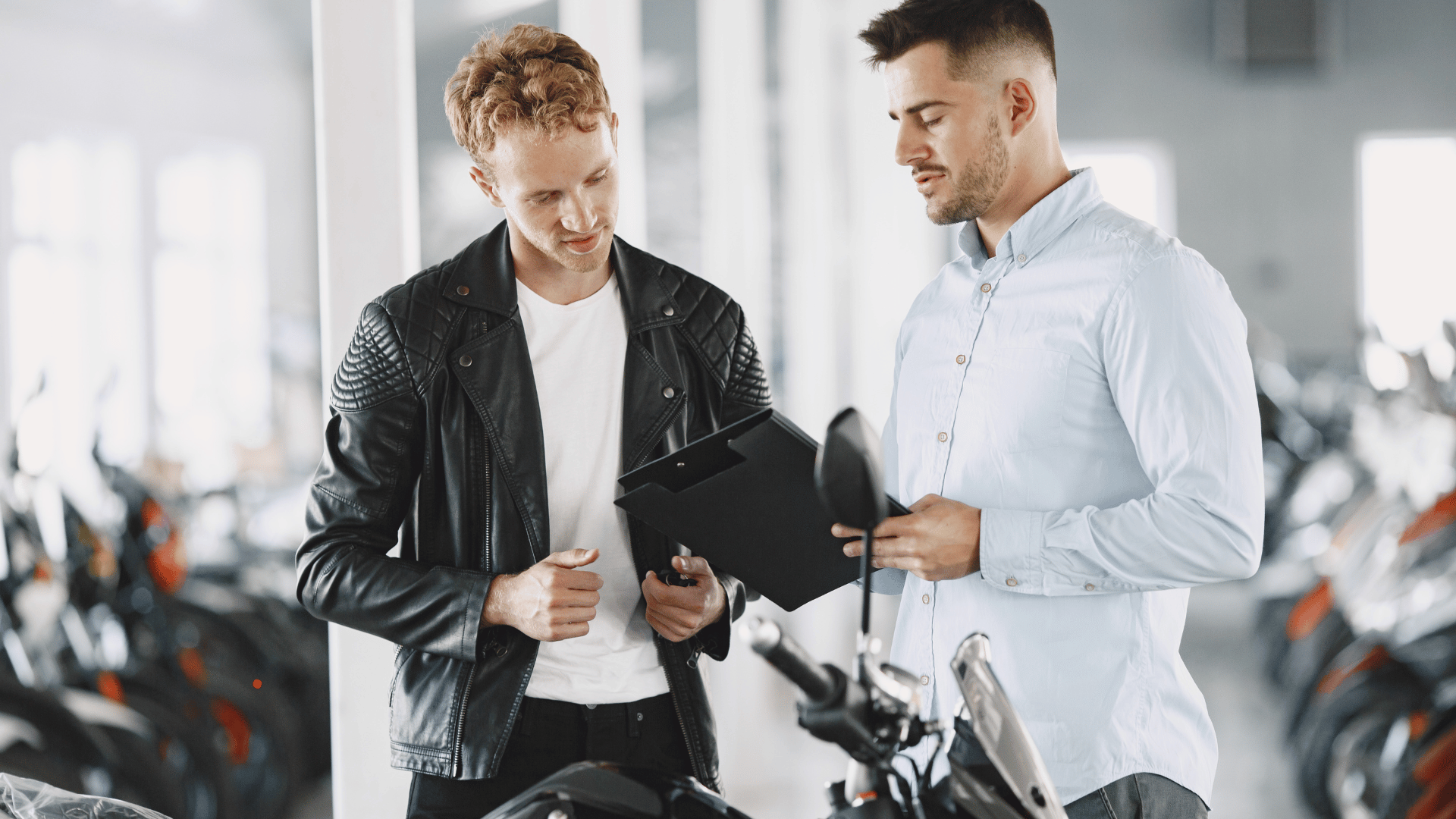
Why strong copywriting is essential in marketing to riders

Why strong copywriting is essential in marketing to riders

Why strong copywriting is essential in marketing to riders

In the competitive world of motorcycle marketing, using an authentic voice to speak with your desired audience makes a huge difference. In this article we’ll explore how strong copywriting should sit at the heart of your marketing mix and why your copywriters should know motorcycles inside out, if you aim to communicate with credibility.

Motorcycle riders are a knowledgeable bunch, so connecting with a defined sector of the rider market requires a level of expertise around specific motorcycle model types and riding culture.

There is a clear difference in the type of messaging you would use to communicate effectively with French off-road riders compared with British café racer enthusiasts – and this applies not only to qualified translation but the core message itself.

Authentic copywriting plays a pivotal role in attracting and retaining audiences, as well as influencing consumer behaviour at various touchpoints of the marketing journey. Bikers know when the authors of a piece of content are not bikers themselves.

Strong social media copy makes all the difference

Social media is often the first point of contact between a motorcycle brand and its potential customers. Whether on Facebook, Instagram, TikTok, YouTube or another social channel the quality of the captions and the wording used in graphics and videos will make or break a brand in terms of engagement rate, visibility and growth.

When you look at the social content of well-established brands such as Ducati or Dainese you can immediately observe that the captions on their social media posts – and the photo + video content itself - has been crafted with specific audience segments in mind, be they commuters, adventure riders, scrambler riders or sports bike enthusiasts.

Social media also allows brands to showcase their personality and values. For instance, Royal Enfield's social media channels often feature inspirational quotes and stories, reinforcing their commitment to adventure, celebrating Indian culture and a passion for riding.

The way Yamaha curate their social media content varies significantly on their global racing focussed Instagram account, compared to their main US focussed account (very off-road themed) and then their main European Yamaha Instagram account (which features a wide variety of off-road, street bikes, e-bikes, scooters and other products). For each account, someone who knows the market intimately is managing the visual output and writing perfectly tuned copy to accompany each post.

Engaging video content for riders

The scripts and content of videos aimed at riders on YouTube and other social platforms enable the presenter to deliver engaging and informative content, keeping viewers (future customers!) hooked and eager to learn more. A well-structured and caringly written script ensures that the brand's messaging remains consistent across all video content, reinforcing key brand values and product information.

Check out Revzilla’s YouTube content for a fantastic mix of product information (they are an e-commerce platform for riders) and storytelling (they’ve built a credible editorial channel with riders at the heart of their script writing and narration).

Informative website copy matters to site visitors

Strong copywriting on a motorcycle brand's website is also essential for several reasons. It allows them to share their history, values and mission with riders, creating an emotional connection that goes beyond the products.

That is certainly true when you look at the content of a brand such as Norton. Their website features refined copy which highlights their colourful story, from James Lansdowne Norton founding the company in 1898, to victory at the inaugural Isle of Man TT, the collapse of the firm and its rebirth with its new state-of-the-art facilities in Birmingham. 

Meanwhile, engaging product descriptions not only inform potential buyers but also spark their desire to own a particular motorcycle. Again Norton’s website provides vivid descriptions that highlight the unique features and heritage of their bikes.

Blog posts are also an excellent way for motorcycle brands to establish authority in their niche. In-depth blog posts can provide valuable information about motorcycle models, maintenance, riding tips, and more, building trust and loyalty.

SEO-optimised content will help improve a brand's Google rankings, ensuring that their content reaches a wider audience. SEO content is focused on specific keywords (for example, ‘Best off-road helmet’) and aims to rank higher in search engine results. In contrast, in-depth blog posts provide comprehensive information on a particular topic, offering value beyond targeted keywords.

In ads, newsletters & media relations - copywriting lifts your brand

In both online advertising (such as Google Ads and Facebook/Instagram Ads) and email marketing the importance of concise, attractive copy, featuring an effective call-to-action, should not be underestimated. Strong CTAs encourage users / browsers / recipients to take desired actions, such as visiting a website, applying for discounts or making a purchase. Good copy can significantly boost conversion rates and improve return on investment. 

Effective copywriting in press releases ensures journalists are more likely to cover a topic with a well-written, attention-grabbing headline and an article which reflects positively on a brand. 

In conclusion, strong copywriting is a linchpin of successful motorcycle marketing. Whether it's on a website, in brochures, press releases, emails, Google Ads, blog posts, social media, or YouTube videos, effective language and storytelling are essential to building a rapport with riders.

At Motorcycle Marketing we set the highest standards in terms of the copywriting work we produce on behalf of our clients. Every member of our team is an experienced motorcycle rider. We ride frequently, we spend time with other riders and we continually attend meet-ups, ride-outs and festivals.

We 'speak the language' of the motorcycle community in specific niches, with decades of combined experience between us. If you need help with any aspect of your copy writing or content creation from our team of riders and creators, contact Motorcycle Marketing today for a free consultation session.

Keep on reading...

How Sub-500cc Motorcycles Took Over Europe, The UK And Beyond

How Sub-500cc Motorcycles Took Over Europe, The UK And Beyond Across the globe sales of 300cc-500cc motorcycles have been booming and it’s easy to see why. Light enough to be easy to handle, capable enough to commute on, tour with and hit dirt roads on, they come without the price and weight of big ADVs […]

Motorcycle Advertising Ideas That Actually Drive Sales

Motorcycle Advertising Ideas That Actually Drive Sales What works today when you’re selling bikes, parts, apparel or services? A successful approach to selling B2C logically differs from selling B2B in terms of tone and placement, with the product or service dictating the relevant path of effective campaigns. This guide to the best motorcycle advertising ideas […]

Tsubaki becomes Official Global Supplier of MXGP

Tsubaki becomes Official Global Supplier of MXGP [PRESS RELEASE] Infront Moto Racing and Tsubaki are proud to announce their partnership that sees the Japanese manufacturer of premium motorcycle chains become an official global supplier for MXGP.  Tsubaki has long been familiar with competition, both on and off-road. From race wins to world titles, to Dakar victories and […]