info@thalassa.marketing

A review of 2024: A year of growth and achievement
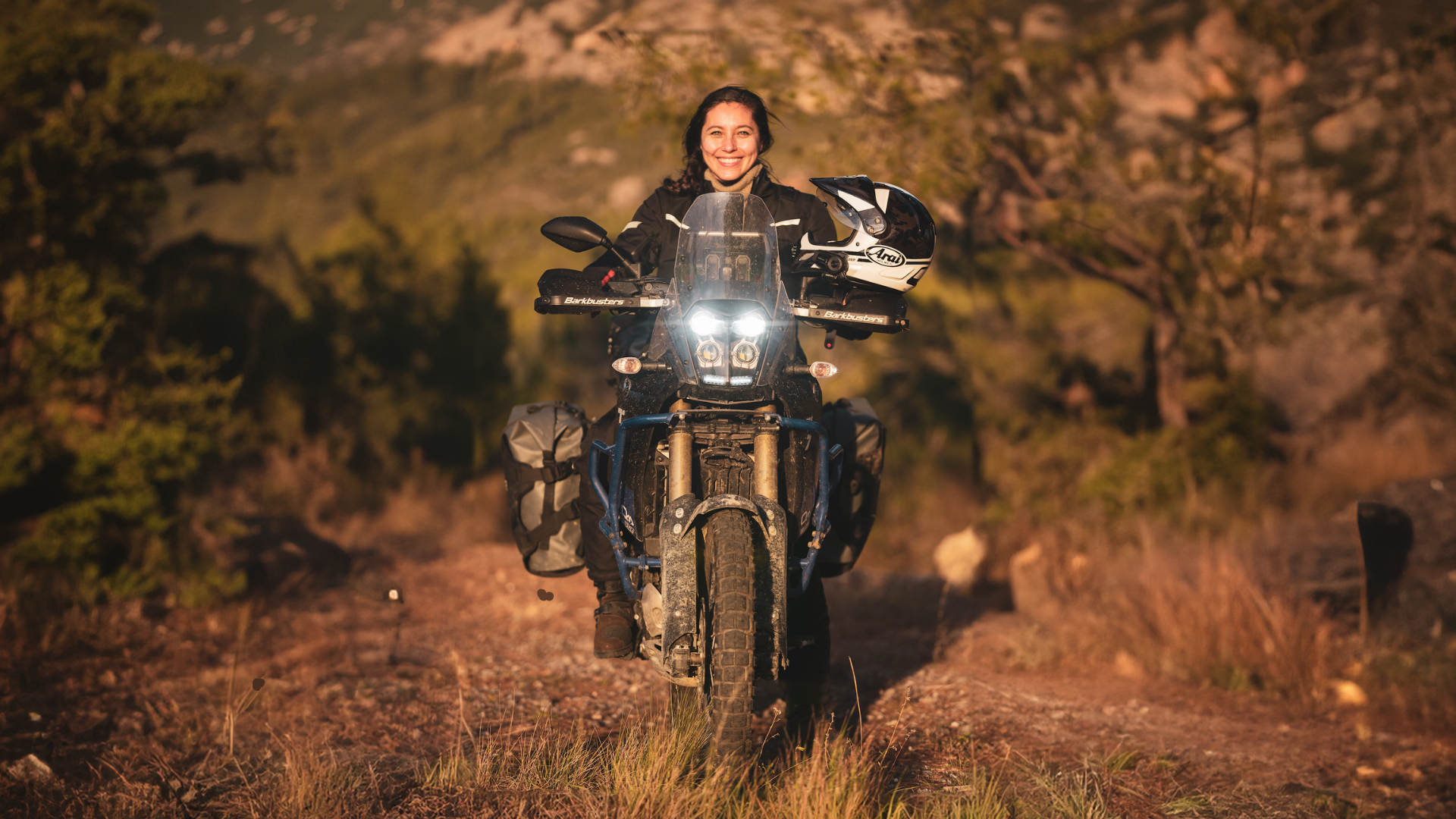
2024-12 A Review of 2024 A Year of Growth and Achievement 2

A review of 2024: A year of growth and achievement

As we wrap up 2024, we’re taking a moment to celebrate the growth, challenges, and successes of what has been an extraordinary year for Motorcycle Marketing. This year was marked by record-breaking achievements, exciting collaborations, and personal and professional growth for our team. Our founder, Thalassa van Beek, and two of our key team members—Joseph Beale and Haley Rae Shoning—share their insights into the year behind us and what’s ahead for 2025.

2024: A Year of milestones

This year, we had the privilege of working with incredible clients across the motorcycle industry, from global brands to emerging innovators. “It’s been a fantastic year,” Thalassa says. “We’ve created content for KTM, supported Yamaha Motor Europe with the Ténéré Spirit Experience, and had our second year with Peak Design, where we strengthened their ambassador program and helped showcase their brand at major events like ABR Festival, MaxlRIDE, and EICMA.”

Joseph Beale, our Marketing Strategist & Copywriter, highlights the Yamaha Ténéré Spirit Experience as a personal favorite: “Helping to deliver high-quality content and great results for our clients, in particular on our Ténéré Spirit Experience account, has been a real buzz to work on and an exciting project which we’ve played a solid part in helping to grow.”

While big names like these are thrilling, it’s the growth of smaller clients like HAMMERLEDS that brings just as much satisfaction. “Seeing brand awareness increase for companies like HAMMERLEDS is such a joy for the whole team,” Thalassa adds.

Overcoming challenges and growing stronger

For Thalassa, 2024 marked a turning point in how the agency operates. “My personal goal this year was to strengthen the team so I could step away from my laptop from time to time, with the dream of one day exploring Iceland on my motorcycle,” she shares. Delegating more responsibilities wasn’t easy, but the team rose to the challenge. “I had to learn to let go, but my team made it so easy. They’re all excellent in their fields and amazing with clients,” she says.

Social Media Manager Haley Rae Shoning reflects on how her role has evolved alongside the agency’s growth: “As we expand our client base, I am given every opportunity to take on more responsibility where I can. Thalassa does an incredible job of mentoring and encouraging me, and also trusting in my knowledge and experience. I have never been a part of a team where I feel as trusted, valued, and supported.”

This year also brought challenges in managing cash flow with a growing team. “Paying a growing team before paying myself was tough at times, especially when clients were paying late,” Thalassa admits, “but by year-end, we’ve built a healthy buffer again, and clients have become more timely with payments.”

Projects that defined 2024

Two standout projects this year showcased what Motorcycle Marketing does best.

The Ténéré Spirit Experience was a thrilling collaboration. “We worked closely with their French team to create newsletters, social media content, blogs, and website copy,” Thalassa explains. Watching the community of fans and clients grow has been incredibly rewarding.

Then there’s Peak Design, a brand we’ve worked with for two years now. “In 2023, we introduced their motorcycle mounts to European riders. In 2024, we built on that foundation,” she says. From ambassador marketing to launching their new charging mounts and supporting them at major events, the team’s efforts helped establish Peak Design as a recognized name among motorcyclists.

Staying focused in a changing industry

As we know, the motorcycle industry faced economic challenges in 2024. “2024 was a tough year for the motorcycle industry, including in the US where I am based,’ Haley Rae says. “Powersports businesses were riding a high during the pandemic, but sales slowed down significantly after that. A lot of businesses took this time to really evaluate what is important to their teams and to their customers and have made changes that I think will set them up for success in the new year. Many companies needed the reminder that community is what the industry is all about, and they are turning their gaze to that. I think 2025 will see many motorcycle companies focusing their energy on authenticity and connection.”

Despite these hurdles, Motorcycle Marketing’s niche expertise proved to be a strength. “When you’re an industry specialist, opportunities will find you,” Thalassa explains. Joseph adds, “The quality and consistency of work, the credibility, and the niche knowledge in varied areas of the motorcycle industry, from street, to adventure, to electric, and to professional racing, really set Motorcycle Marketing apart in 2024.”

Gearing up for 2025

The year ahead is already shaping up to be another exceptional one. Thalassa’s top priority is keeping the team happy and excited. “My #1 goal is to secure contracts with brands that align with each team member’s skills and passions,” she says. ‘It’s the best way to ensure we can continue overdelivering for our clients.” In addition, she plans to enjoy what she worked on this year: "I recently signed up to join the Ténéré Travel Trophy in June 2025, so for the first time since starting the agency, I will take a week off."

Haley Rae, who recently got a new dirt bike, shares her personal goal: “My goal for the next year is to play a more active role in connecting Motorcycle Marketing with companies here in the US, so the business and my position within it can continue to grow as much as possible. I also have made it a goal to ride my dirt bike in all 50 states, so I’m hoping to start checking those off the list this next year.”

Joseph is also focused on delivering even more for the agency’s clients. “My goal is to help win, retain, and over-deliver on projects with the biggest bike brands in the world,” he says.

With exciting new collaborations and events like De MOTORbeurs, ABR Festival, EICMA, and Wheels & Waves already on the calendar, the team is eager to make its mark in 2025.

A heartfelt thank you

As we look back on 2024, we’re filled with gratitude for the brands, clients, and community that make this journey possible. “I’m so thankful to work with brands I already admired years ago and to help new companies grow,” Thalassa reflects. “This isn’t just a job; it’s a passion—and I couldn’t do it without my amazing team of fellow bikers.”

As we head into 2025, there’s no better time to gear up for new opportunities in the motorcycle industry, and we’re ready to help brands like yours make the most of it. Whether you’re looking to grow your audience, enhance your brand presence, or tackle new marketing challenges, the Motorcycle Marketing team is here to support you. Let’s make 2025 your best year yet—contact us today to schedule a free consultancy session and start planning your next big success!

Keep on reading...
Motorcycle industry event calendar 2026

Motorcycle industry event calendar 2026 In the dynamic motorcycle industry, events remain a cornerstone for connecting enthusiasts, professionals, brands, and riders. As we kick off 2026, we’re looking ahead to the key motorcycle industry events in Europe and the USA this year and outlining which ones are most relevant to companies in specific niches. Motorcycle […]

Riding Through 2025: Our Year in Review

Riding Through 2025: Our Year in Review As 2025 comes to a close, it’s time for our annual Motorcycle Marketing tradition-a look back at the highlights of the year, some of the lessons learned, and a peek at what’s to come. This year has been big. We grew our team, expanded our client base, launched […]

How to Build a Content Calendar for Your Motorcycle Brand

How to Build a Content Calendar for Your Motorcycle Brand When you think of marketing your motorcycle business, “content calendar” probably doesn’t spark the same excitement as, say, launching a new product or attending a big event. But here’s the truth: behind every consistent, well-performing motorcycle brand is a well-structured plan. And it doesn’t need […]

The importance of owning first party data for motorcycle brands

2024-08.2 - The importance of owning first party data for motorcycle brands

The importance of owning first party data for motorcycle brands

In a rapidly evolving digital landscape, the importance of owning first party data on customers and potential consumers has never been more critical, particularly for brands in the motorcycle industry. In this latest Motorcycle Marketing deep dive, we’ll look at how brand managers, product owners and marketers can take greater control of their customer data as third-party data reliance fades away and we enter a ‘cookieless’ future.

Let’s define first party data

First party data includes basic information on customers and potential future customers, such as name, email addresses, home address, phone numbers, purchasing data and additional demographic details. It can also include information on browsing behavior, content consumption, location, device, and the time of day specific actions are taken by a user or consumer.

It is primarily data that businesses collect directly from their customers and prospects, or data purchased or acquired (hopefully legally) via another source. First party data is therefore highly valuable in terms of its relevance to marketing and selling directly and efficiently to customers.

As companies face increasing privacy restrictions in the digital realm due to tightening regulations, owning this data is becoming ever more crucial for motorcycle manufacturers, dealerships, e-commerce platforms, accessory suppliers, insurance companies and other relevant service providers in our industry.

The decline of third party data

Digital marketing is currently undergoing a significant shift. With the decline of third party cookies and increasing privacy regulations, brands that have traditionally relied on third-party data from platforms like Meta and Google are finding themselves in a precarious position. If you are always spending money through paid ads to reach your audience you are trapped in reliance on that platform. If you ever need to cut your marketing spend due to cashflow, you are stuck.

As this highly informative Wired article on the topic explains, the era of third-party cookies is coming to an end, and businesses that fail to adapt to this new reality may struggle to connect with their audience effectively.

As Wired explain: “Soon, third-party cookies will no longer be allowed to track individuals across the web, harvesting reams of information to help deliver targeted ads. Already, many browsers are blocking them as tech companies rush to comply with the California Consumer Privacy Act and the European Union’s General Data Protection Regulation. There’s a harsh reality check coming for digital marketers and companies that still rely on cookies to identify, understand, and reach customers.”

For motorcycle brands, many of which have long depended on third party platforms to communicate with their customers, this shift highlights a critical vulnerability. When you rely heavily on paid advertising (and even an ‘organic’ social media presence) on third-party platforms, you become dependent on them for your marketing success. This reliance can be financially draining and limit your ability to pivot your marketing strategy. It’s not that online advertising will no longer be relevant or effective, it’s simply that it's likely to become more expensive and less targeted.

With regards to how social media fits into this picture, the simplest way of considering it is that even when you have lots of social followers or subscribers you are still reliant on the algorithm of the social platforms for your content to reach them. That’s not to say social media is of any less relevance or importance as we begin to focus increasingly on first party data-led marketing, rather that a robust marketing strategy will include an effective approach on all fronts.  

Why first party data matters specifically for motorcycle brands

First-party data offers motorcycle brands a way to take control of their marketing efforts and build more meaningful, long-term relationships with their customers. Here's why this is particularly important for businesses in the motorcycle industry: 

Enhanced personalization and targeting

Motorcycle owners and riders are a diverse audience with highly varied preferences and interests. First party data allows brands to segment their audience more effectively, enabling them to deliver personalised content, offers and experiences that resonate with individual customers. For example, a motorcycle manufacturer can use demographic information to target younger riders with promotions for smaller capacity bikes, while a dealership can tailor communications about touring models to older customers. This approach ties in perfectly with the approach we explored in this previous blog post on How to market to riders of different age demographics & skill levels.

By understanding (and owning the data on) your customers' preferences, you can market the most relevant models, products and services to them, yielding higher sales, fostering loyalty and gaining repeat business. And that is done most effectively when you are in control of your customers’ data first hand. 

Cost-effective marketing

By taking greater ownership of first party data, brands in the motorcycle industry actively reduce their reliance on paid advertising through third party platforms. Instead of constantly spending money on ads to reach your audience, you can communicate directly with them through owned channels like your website, email newsletters, SMS marketing and direct mail. This approach not only cuts costs but also allows you to maintain control over your messaging and customer relationships.

First party data which you are in charge of can also be used to create lookalike audiences for paid campaigns, ensuring that your advertising efforts are more targeted and cost-efficient. This strategy allows you to stretch your marketing budget further while still reaching potential customers who are likely to be interested in your brand.

Data privacy compliance

With the increasing focus on data privacy regulations like GDPR in Europe and CCPA in California, owning first-party data is also essential for compliance. When you collect data directly from your customers, you have more control over how it's used and can ensure that your practices align with legal requirements.

For motorcycle brands, which often operate in multiple regions with varying regulations, having a solid first party data strategy can simplify compliance and reduce the risk of costly fines or reputational damage.

Leveraging first party data for success

To fully harness the power of first party data, motorcycle brands should consider a multifaceted approach that includes:

  • Effective Newsletters: Regularly engage with your audience through informative and engaging newsletters. Share updates on new models, promotions, upcoming events and tips for riders. This keeps your brand relevant and fosters a sense of community. Check out our guide on How to make newsletters valuable for your brand.
  • Strong Organic Reach: Invest in creating high-quality content across various social platforms. Building an organic following reduces your reliance on paid ads and allows you to connect with your audience on a deeper level. You’re still, of course, dependent on the algorithms of the likes of Meta, Google, YouTube, Tiktok and LinkedIn, but if your audience is spread across various platforms, you work effectively with influencers and your own content is strong you can still achieve great visibility.
  • Sticky Web Content: Your website should be more than just a sales platform—it should be a hub of valuable content. Offer blogs, tutorials and videos that cater to your audience's interests and keep them coming back for more.
  • Physical events: Attending the most relevant motorcycle industry events will ensure you connect with your audience meaningfully and memorably. Events are not only great for collecting first party data but also for building brand loyalty and community. Being part of the rider community at specific events is something we value highly at Motorcycle Marketing and we keep this guide to Which motorcycle industry events should you attend updated regularly.
  • Connecting with riders more actively: Creating an app which your customers use as they ride is one of the most effective and valuable ways to gather first party data from them. The Royal Enfield app offers features such as navigation, on-the-go music, call support and real-time alerts.  

Tying it all together

In a world where digital marketing is becoming increasingly complex, first party data is a critical asset for motorcycle brands. By owning and effectively utilising this data, you can personalise your marketing efforts, reduce costs, improve customer loyalty, increase sales, improve ROI and ensure compliance with privacy regulations. Those who invest in building and maintaining a solid first party data strategy will be well-positioned to thrive in the future.

If you're looking for ways to effectively and efficiently collect more first party data, get in touch with the Motorcycle Marketing team of experts.

Keep on reading...

How to stay on top of SEO in the AI era of 2026

How to stay on top of SEO in the AI era of 2026 The way consumers search for information online is being revolutionized in the era of AI answer engines and LLMs (Large Language Models), but what does that mean for marketing professionals in the motorcycle industry? Essentially, ranking highly and winning search traffic is […]

How to Successfully Promote Local Motorcycle Events

How to Successfully Promote Local Motorcycle Events From café meet-ups and ride-outs to dealership open days and demo events, local motorcycle gatherings are at the heart of the riding community. In this blog, we’ll show you how to promote motorcycle events effectively, using a mix of digital and offline tactics to reach the right riders […]

How Sub-500cc Motorcycles Took Over Europe, The UK And Beyond

How Sub-500cc Motorcycles Took Over Europe, The UK And Beyond Across the globe sales of 300cc-500cc motorcycles have been booming and it’s easy to see why. Light enough to be easy to handle, capable enough to commute on, tour with and hit dirt roads on, they come without the price and weight of big ADVs […]

How to create a content calendar for the year ahead

Motorcycle Marketing - 2022-12.1 Creating a content calendar for the year ahead

How To Create a Content Calendar For the Year Ahead

Creating a content calendar is an essential part of building a marketing plan that will help you reach your target audience. The more organised you can be and the further ahead you plan, the less stress you’ll experience along the way, allowing you to focus on the quality of your output and hitting your KPIs.

Firstly though, what is a content calendar? In this context, we will explore creating a content calendar which includes first planning content production, then making a subsequent plan for when the content will be used on social media and in your wider marketing efforts.

For those involved directly in motorcycle racing, whether it’s a championship such as MotoGP, MXGP, Hard Enduro or one of the other numerous forms of two-wheeled competition, forward planning is usually based around the race calendar. But for brands indirectly linked to racing, or those who have no association with the racing scene, planning ahead is just as important.

What Content Would You Publish In an Ideal World?

A pragmatic approach to planning ahead with your social media and marketing content is to set out what you would like to publish in an ideal world and work back from there. Knowing that it may not be practical or plausible to produce all the content on your wish list, you can then undertake a feasibility review of your dream plan.

Once you’ve plotted out the major pieces of content you’re going to produce you can work on a detailed production plan for each major video or photo shoot in the months ahead. Then you can fill out your content calendar around those events, to ensure a consistent rate of content publication throughout the year. In this previous blog post we covered how to maximise photo and video shoots to get the most content from them.

Getting Practical

It’s important to make a list of products that need to be promoted at specific times of year, define the content formats that you know will engage with your audience, then fill out a week-by-week plan, including the days and times that you will post to social media and a mix of content types to be published.

A content plan should include:

  • A summary production plan of when content will be made
  • A description of the content you plan to publish
  • The date and times the content will go live
  • The social network and account where the content will be published
  • Additional marketing channels you will publish on (web content, email marketing, content to share with influencers and press)
  • Creative assets (photos and videos) and pre-approved captions to be published with the assets
  • Any links, mentions and tags to include

In terms of setting everything out in a clear plan, the friendly folks at Hubspot and Jotform offer free social media content calendar templates which you can use as the base to build from. Alternatives include creating a designated Google Calendar for your content, or simply building a calendar yourself in Google Sheets.

When Should I Publish My Content?

In this post from Hootsuite on the best time to post on Facebook, Twitter and Instagram researchers analysed over 30,000 social media posts to see if certain days and times typically get more engagement than others and – SPOILER ALERT – they found that the best time to post on social media overall is 10am on Tuesdays, Wednesdays and Thursdays. In the article they also reveal their findings on the best time to publish per platform. Having said that, every audience is different, so it’s even better to experiment with different times and see what works best for your brand.

How Much Content Should I Publish?

The answer to this should really be, publish as much content as you can with the resources you have available, whilst also aiming to make that content meaningful.

Large, established brands such as Ducati have the resources to produce enough content to be publishing interesting posts on a daily basis. They will be producing content via in-house teams, as well as agencies, country-level franchises, race teams, athletes, influencers and even customers themselves.

A smaller brand such as Mitas tyres publishes less frequently, but they do a fine job of mixing up fun content such as burnout videos, photos and videos of racing, incredible action shots, beautiful adventure riding pictures, street riding content, event promotions, seasonal content and specifically polished product imagery.

If you are managing social media and marketing for a rider clearly the amount of assets that can be produced and published depends on how busy your rider is. Likewise, if you’re a content creator yourself it’s all about the amount of time and energy you can put into your work.

Off-road and freestyle rider Jordan Booker does a great job of publishing frequent, engaging content which he clearly has planned out well in advance. Jordan is able to push out a great mix of content such as photos, shorter and longer edits, mobile filmed and professionally filmed video, shots on the bike and behind-the-scenes images. Whenever he’s at an event or track and has time on his bike he produces an array of content to publish over the following days.

Visibility Content vs Promotional Content

As you build your content calendar look for combinations of photos and videos that will grab the attention of your audience and positively trigger the news feed algorithm of social networks, ensuring you get maximum visibility.

Ultimately the mix of content you publish should match your business goals. This may differ from platform to platform. You might split your planned content out like this:

  • 30% of content is aimed at driving traffic to your website
  • 30% of content will be created in house just to drive engagement and go softer on commercial messaging
  • 20% of your content will support specific commercial goals (selling products, lead generation, capturing user data etc)
  • 10% of content will be user-generated content from influencers and collaborators to drive engagement and credibility
  • 10% will be behind-the-scenes content from your factory, shops or offices

Those are just suggestions and the percentages can be adjusted depending on what you’re aiming to achieve.

Other models, as described by the knowledgeable team at Brand Muscle, also include the 80/20 rule of content marketing, whereby 80% of content should be useful to your audience (it educates, entertains, or offers a solution to their problems) whilst only 20% should explicitly promote your business.

Or you may find that the social media rule of thirds, as explained by Neil Patel here, is better suited to your business. The basic concept with the rule of thirds is:

  • 1/3 of content promotes your business, converts your audience in customers and generates profit
  • 1/3 of content shares ideas and insights from thought leaders in your industry
  • 1/3 of content should drive personal interactions with your audience

If you’re looking for advice on how to create the perfect content calendar, book a free consultation with our expert team by emailing hello@motorcycle.marketing.

Keep on reading...

How to stay on top of SEO in the AI era of 2026

How to stay on top of SEO in the AI era of 2026 The way consumers search for information online is being revolutionized in the era of AI answer engines and LLMs (Large Language Models), but what does that mean for marketing professionals in the motorcycle industry? Essentially, ranking highly and winning search traffic is […]

How to Successfully Promote Local Motorcycle Events

How to Successfully Promote Local Motorcycle Events From café meet-ups and ride-outs to dealership open days and demo events, local motorcycle gatherings are at the heart of the riding community. In this blog, we’ll show you how to promote motorcycle events effectively, using a mix of digital and offline tactics to reach the right riders […]

How Sub-500cc Motorcycles Took Over Europe, The UK And Beyond

How Sub-500cc Motorcycles Took Over Europe, The UK And Beyond Across the globe sales of 300cc-500cc motorcycles have been booming and it’s easy to see why. Light enough to be easy to handle, capable enough to commute on, tour with and hit dirt roads on, they come without the price and weight of big ADVs […]

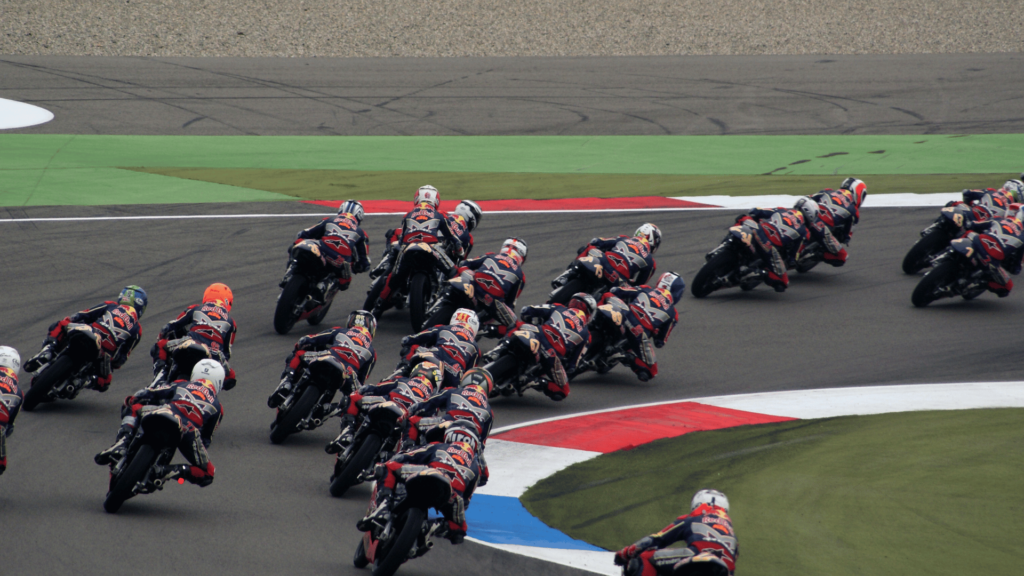
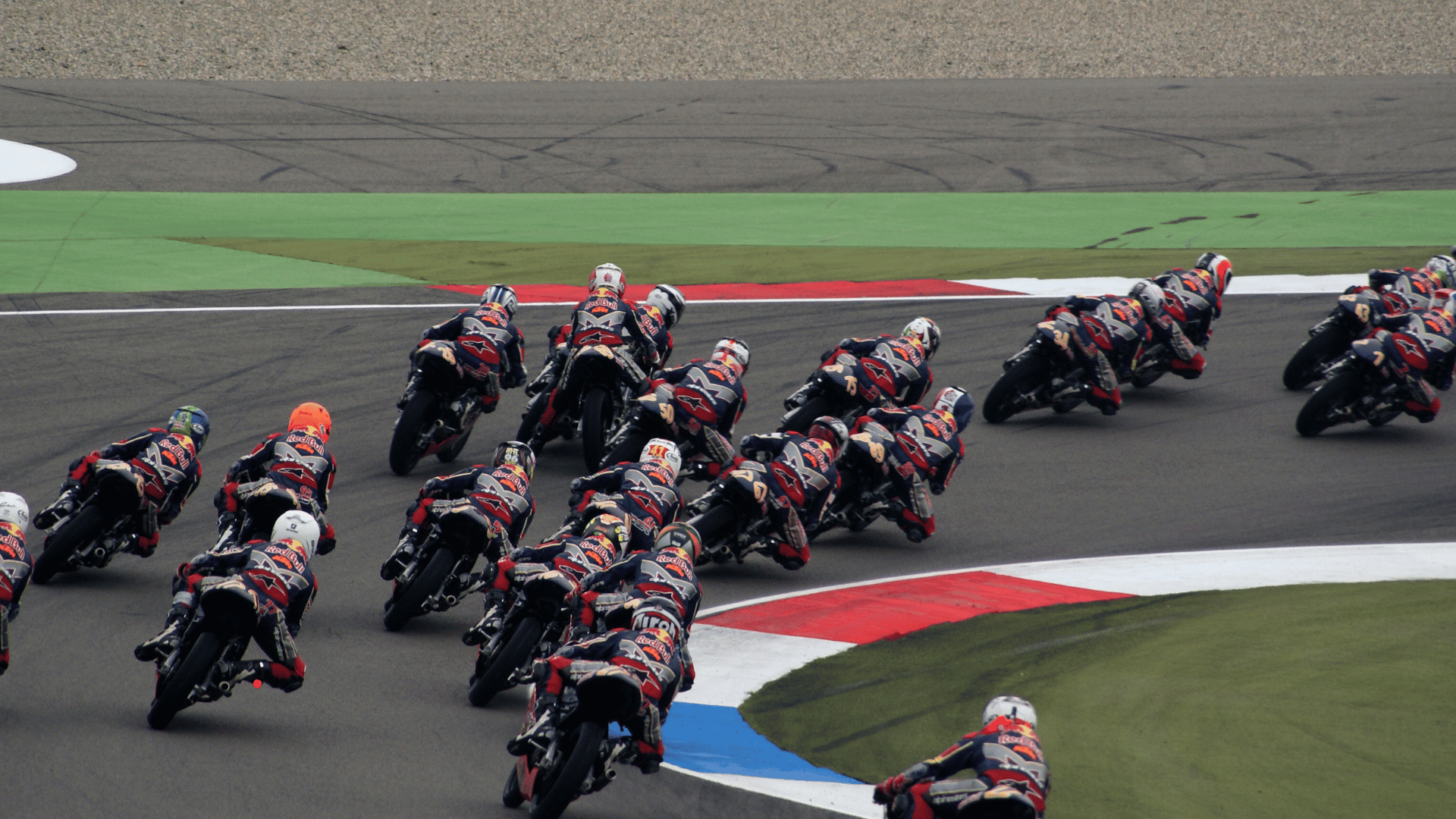
red bull rookies cup riders on race track

Marketing strategies for a new racing team

red bull rookies cup riders on race track

Marketing strategies for a new racing team

Starting a new racing team in a prestigious series like MotoGP, WorldSBK or MXGP presents an exciting opportunity to capture the attention of sponsors, media and potentially millions of motorcycle riders worldwide. In this guide we will explore how to successfully market a new team, with a multifaceted approach that leverages various marketing channels, engages with fans, and creates a strong brand identity.

Several new teams have been launched to participate in the championships mentioned above in recent seasons, whilst the arrival of new series such as the WorldWCR (FIM Women’s Circuit Racing World Championship) and the FIM E-Xplorer World Cup have led to the creation of many new racing teams.

Mission and brand

Before even beginning to create the digital assets and wider marketing material to promote your team it’s important to define the team’s identity and mission statement.

Perhaps the new team is an independent unit which is being established to promote young talent from a specific country/region such as MLav Racing, which is now in its third season giving opportunities to British riders at World Championship level. Or maybe it’s a new full factory effort from a manufacturer aiming to win at the highest level, with elite riders onboard from the word go, such as Monster Energy Triumph Racing in the 2024 MX2 World Championship, or Ducati MXGP with Tony Cairoli.

Or it might be a spin-off from an existing racing structure, venturing into a new electric championship and aiming to advocate for the promotion of EV technology.

The clear definition of what the team stands for, what its aim is and how it must present itself, will affect all the steps that follow from a marketing perspective. That will include establishing the brand of the team itself and the associated aesthetics such as logo, bike livery, rider and team uniforms, the design of the website and many other visual elements. 

Taking an example from the new WorldWCR championship, the Sekhmet Racing Team are very clear about their values on their website, with founder Maddi Patterson stating, “Once the visor is down, nothing else should matter. Enter Sekhmet International Motorcycle Racing Team. We do things differently, because we can. The team epitomises drive, determination, bravery and single-minded resilience.”

With a clear mission and clear goals defined, it is then easier to set out on the journey of recruiting riders, attracting partners and making the assets you will need to market your team successfully.

Rider recruitment and securing sponsorships

There will be a number of factors that impact your ability to attract riders to the project, including budget, your existing network of contacts in the sport, the guarantees you can give around the competitiveness of your racing package and the stability of your commercial structure. In addition, riders will be assessing who you have working for the team on the sporting and technical side, as compared with your competitors.

The choice of riders to represent your team will be fundamental to the on-track performance, but also to the commercial success of your structure, based on their marketability and capacity to generate media exposure and sponsorship interest. Rider recruitment should take into account all those considerations, including sporting ability, professionalism, potential upside in terms of talent development, ability to communicate well with media and partners, existing digital/social media reach and your gut feeling on whether they will be a solid, helpful person for you and your staff to work with.

An important question to answer is, ‘Can you collaborate with riders to collectively bring sponsors to the team?’ Securing sponsorships and strategic partnerships is vital. Successful new teams are able to combine the power of underlining their overall appeal to sponsors (and the target audiences of their sponsors), along with strategic recruitment to attract the right type of riders to subsequently attract the desired level of commercial partners.

This may not be an easy balance to strike from day one, but the learnings you take from your first season of competition will be invaluable as you approach your second and third seasons, in terms of defining realistic budgets, working with riders who deliver both sporting performance and commercial value and over-performing on driving ROI to your sponsors and suppliers.

You should specifically identify brands that align with your team's ethos and create compelling sponsorship proposals that emphasise the mutual benefits of collaboration. Put yourself in the shoes of the decision makers on the sponsor side and consider how to provide them with what they are looking for by backing your project. Check out this article which guides potential sponsors on what they should look to achieve from committing to back a team or rider.

You can deliver value for your sponsors by ensuring they are featured prominently across your marketing channels, uniforms, bike livery, pit box and hospitality truck. Your team can create co-branded content with sponsors and you can ensure that they are well looked after when it comes to rider access and hosting them at team events and races.

Most championships already have strong teams in place when it comes to attracting sponsors and giving them the requisite VIP experience at races. In many cases championship organisers can advise new teams how to get up to speed with sponsorship liaison and managing corporate hospitality, so seek to make strong connections with your colleagues at championship level.

Taking care of your sponsors long term will pay dividends and is vital to marketing any racing team successfully. Your sponsors will help you grow from day one and if you have the right partners they can be powerful allies in growing your structure, reaching bigger audiences and increasing fan engagement.

Creating relevant content

In order to promote the team professionally you will need a basic archive of initial photos and videos to use on the team’s website, social media channels, to share with sponsors and to distribute to partners and media.

Photos should include studio shots of your riders and team staff in uniform, with sponsor and partner logos clearly visible. Likewise, professionally shot ‘reportage’ style shots from training sessions, team events, track events and races of your riders and staff at work are highly useful assets.

You should also make a plan for which video content you’ll produce before you launch, before your first race and what you’ll shoot (or get access to) at races. You may choose to create a mix of interviews, teasers, race highlights, sponsor focused videos and behind-the-scenes or documentary style content, mixing things up with a combination of 9x16 portrait format for reels or stories and 16x9 landscape shot longer social media videos.

Here on the Motorcycle Marketing blog we’ve previously covered the topics of How to make the most of video & photo shoots and How to create a content calendar which provide highly relevant tips here.

Whether you’re producing photos or videos at the racetrack or at other events, it’s vital to have strong pre-production, production and post-production plans to ensure you get the most from your riders and staff. Meanwhile, many championships have specific rules over the use of race footage and it’s important to understand those regulations and abide by them, making the most of whatever you are allowed to use.

If you need help with planning, producing and publishing photo and video content, feel free to contact Motorcycle Marketing for a no obligations consultancy session. Our team have produced and published content for the likes of MotoGP, WorldSBK and the Dakar Rally and we also have plenty of experience working with new teams and start-ups.

A strong digital presence

At the core of your digital marketing plan there should be a well-produced website which serves several functions. You will not need a complicated, expensive or elaborately programmed site, so beware of website development companies trying to sell you something you don’t need.

Incorporating the branding, logo, mission statement and visual content mentioned above your site should have some specific sections and content. The site should include a well-presented homepage, a news/updates section, a team page (with rider and staff profiles), a newsletter sign-up function and an About Us page which communicates the background and mission statement of the team.

It should also have a sponsors/suppliers page, a contact page and links to your social media channels. If you are planning to sell merchandise a solid Shopify store can easily be plugged into the site. Create a photo or video archive on the site, only accessible to fans and media who register with you to gain access to the contents. The website should be quick to load, mobile friendly and SEO optimised.

Winning on social

Creating a social media strategy from zero does not need to be complicated, but there will be some ground rules to follow as this article on just that subject sets out. The MotoGP World Championship publishes social media content on Facebook, Instagram, X.com (formerly Twitter), TikTok, YouTube, LinkedIn, Snapchat, Twitch, WhatsApp and Telegram, but for a team, especially a new team, it is wiser to focus on three or four channels to start with.

Instagram, Facebook and possibly LinkedIn, YouTube and/or TikTok (depending on your objectives and target audience) may be just what you need to get started. Work out which social platforms are most important for your team and from there you can build a content calendar and recruit the right internal resources, or external agency to produce and publish the relevant content per platform.

The basic key metrics to work towards on social will be audience growth, reach and engagement and those will be important to analyse and optimise for as you look to enhance the brand power of your team and its ability to deliver value for your stakeholders and commercial partners.

Press and communications

For managing press and communications efficiently – which is essential for any professional racing outfit - many teams rely on a combination of a full-time press manager (or indeed department depending on scale), plus assistance from a specialist agency, such as Motorcycle Marketing.

Effective media relations are vital when it comes to building your team’s profile and communicating positively with journalists and content creators. The goal should be to develop a comprehensive media kit, be on the radar of all relevant media contacts nationally and globally and maintain regular communication with media to secure consistent coverage.

Your press team should be adept at creating and distributing press releases and newsletters, organising launch and sponsor events, handling media at races, providing media with all relevant assets they request and handling requests/opportunities for interviews with your riders and team staff. 

Before Trackhouse Racing joined the MotoGP grid full-time for 2024, they pulled off a notable coup by signing Davide Brivio as Team Principal. Not only is Brivio one of the most experienced and respected figures in the paddock, in addition to his management and technical sporting knowledge, he is a master when it comes to media relations, easing the work of the Trackhouse press team behind-the-scenes.

Bringing it all together

In summary, marketing a new racing team in any national, regional or World Championship requires a strong brand, intelligent recruitment, strategic partnerships, robust content production, active fan engagement and effective media relations. The teams we have mentioned in this article have effectively used various marketing strategies to establish and promote their presence in a highly competitive racing scene, by using the tactics as set out above.

For further related reading check out our guide on What to consider when starting a new brand from scratch or contact us today for a free introductory session on how we can help your brand or team hit your marketing goals.

Keep on reading...

How to stay on top of SEO in the AI era of 2026

How to stay on top of SEO in the AI era of 2026 The way consumers search for information online is being revolutionized in the era of AI answer engines and LLMs (Large Language Models), but what does that mean for marketing professionals in the motorcycle industry? Essentially, ranking highly and winning search traffic is […]

How to Successfully Promote Local Motorcycle Events

How to Successfully Promote Local Motorcycle Events From café meet-ups and ride-outs to dealership open days and demo events, local motorcycle gatherings are at the heart of the riding community. In this blog, we’ll show you how to promote motorcycle events effectively, using a mix of digital and offline tactics to reach the right riders […]

How Sub-500cc Motorcycles Took Over Europe, The UK And Beyond

How Sub-500cc Motorcycles Took Over Europe, The UK And Beyond Across the globe sales of 300cc-500cc motorcycles have been booming and it’s easy to see why. Light enough to be easy to handle, capable enough to commute on, tour with and hit dirt roads on, they come without the price and weight of big ADVs […]

A guide to creating a social media strategy from zero

2024-07.2 A guide to creating a new social media strategy from zero

A guide to creating a social media strategy from zero

Starting a new brand or overhauling your social media strategy in the motorcycle industry can be challenging. Whether you're launching a new business, restructuring your social media presence, or entering a new role, this guide will help you create an effective social media strategy targeting riders.

We will cover the best ways to reach your audience, the basics of major platforms like YouTube, Facebook, Instagram, and TikTok, and how to create engaging content that drives growth and sales. Additionally, we'll look at the importance of analytics and KPIs, and how to use often overlooked platforms like Reddit, WhatsApp channels, and Discord.

Research and identify your target audience

The first step in creating a successful social media strategy is to understand who your target audience is. Consider factors such as:

  • Age: The age of the rider will determine their interests and what social media platform they’re using.
  • Experience Level: New riders have different needs and interests compared to experienced riders.
  • Interests: Adventure riding, touring, off-road riding, racing, commuting, or custom bike building can all attract different demographics.
  • Geography: Riders in cities will likely have different preferences compared to those in rural areas and audiences in specific countries should be addressed in a relevant way.

Conduct surveys, engage with online forums, and analyse your current customer data to get a clear picture of your target audience.

Define the best social media platforms to reach your audience

Once you have identified your target audience, the next step is to determine which social media platforms they are on:

  • Facebook: What was once the holy grail of social media may seem to some like it’s falling by the side of the road, but Facebook is still great for reaching a broad audience, including older demographics. While people nowadays post less on their own profiles, they still consume enormous amounts of content on the platform and are very active in Facebook Groups.
  • Instagram: Popular among younger adult audiences (70.4% of them being under 35 and almost 85% under 45) but most people are there these days. It’s perfect for visual content, such as photos and short videos of bike models, accessories, rides, and events. Reels have become a way of really boosting your reach and getting your content seen by new audiences.
  • YouTube: Typically effective for long-form content but their Shorts feature has seen it competing against TikTok and Instagram and bringing content to new audiences. Use it for tutorials, bike/accessory reviews, and ride videos to engage both new and experienced riders.
  • TikTok: Known for its popularity among younger audiences, TikTok is ideal for short, engaging videos. It’s a platform where creativity and trends dominate, so you have to spend time getting to know what works and what doesn’t, but the platform is perfect for showcasing the fun and exciting aspects of riding.

Content creation

Creating the right kind of content is essential for driving growth, engagement, and sales. Educational content, such as tutorials, how-to videos, and maintenance guides, can attract both new and experienced riders. This type of content establishes your brand as an authority and provides ongoing value to your audience.

Product reviews and demonstrations are also great content for engagement, as detailed reviews of motorcycles, gear, and accessories are sought out by potential buyers but don’t have the longer term benefits of the tutorials and how-tos.

Adventure and lifestyle content is particularly engaging for riders but typical ‘day-in-the-life’ of specific athletes, pro-riders, engineers, influencers & ambassadors content is favoured by the algorithms. Sharing stories and visuals of rides and the motorcycle lifestyle can inspire and engage your audience, especially on visual platforms like Instagram, TikTok and YouTube.

Tips for creating engaging and relevant content

Knowing your audience is key. Tailor your content to the interests and needs of your target demographic, using surveys, polls, and engagement metrics to understand what they care about. Consistency helps build a loyal following, keeps your brand top-of-mind and is rewarded by the algorithms, so regularly post content on a fixed schedule to keep engagement up and maintain visibility.

Engage with your audience by responding to comments, asking questions, and encouraging discussions. This fosters a sense of community and can provide valuable feedback for your content strategy.

Analytics and KPIs

To ensure your social media strategy is effective and has the desired outcomes, it is important to track key performance indicators (KPIs) and use analytics to refine your approach. There are a few key metrics you can focus on to get started.

Engagement rate reflects how actively your audience interacts with your content through likes, comments, shares, and saves. High engagement indicates that your content resonates well with your audience. Take a look at this Instagram account for example, that of a Motorcycle Marketing client, the Yamaha Ténéré Spirit Experience. The number of likes on the images and photos indicates a high engagement rate for the audience size, sometimes as high as 20%.

Reach and impressions help you understand the extent of your content’s visibility. Reach represents the total number of unique users who have seen your content, while impressions account for the total number of times your content is displayed, regardless of whether it was clicked or not.

Other metrics to keep in mind include the increase or decrease in your follower count. A steady growth pattern indicates successful strategies in attracting and retaining audience members. Click-through rate (CTR) measures the percentage of users who click on a link in your post compared to the number of impressions, providing insight into the effectiveness of your call-to-action (CTA).

Regularly reviewing your metrics is key to identifying trends and patterns in your social media performance. Determine which types of content generate the most engagement or which times of day your audience is most active. Use these insights to inform your content planning.

An easy start is optimsing your posting schedule by looking when your audience is most active and scheduling your posts accordingly. Platforms like Youtube, Instagram and Facebook provide insights on the best times to post based on your followers’ activity.

Additional platforms

In addition to mainstream social media platforms, Reddit, WhatsApp channels, and Discord offer unique opportunities to engage with the motorcycle community. Reddit is an online forum, ideal for engaging with niche communities through subreddits dedicated to motorcycles. It’s an excellent platform for in-depth discussions, sharing detailed content, and gathering feedback. The Ducati Reddit thread, for example, has a highly engaged community and the brand do well to monitor, engage and interact with its members.

WhatsApp Channels allow for direct, real-time communication with your audience. They are ideal for sharing updates, exclusive offers, and engaging in more personal interactions. The MotoGP WhatsApp channel launched in 2023 and now has over 6 million followers.

Discord is perfect for creating a community around your brand. It supports real-time chat, voice and video, making it ideal for hosting Q&A sessions, live discussions and building a sense of community among riders and potential customers.

Consistent engagement is the goal

As you embark on creating or revitalising a social media strategy in the motorcycle industry, remember that the digital marketing world is fast moving and ever-evolving. Embrace innovation, stay attuned to industry trends, and be adaptable in your approach. Consistent engagement, valuable content, and a clear understanding of your audience will pave the way to success.

If you need help creating an effective social media strategy tailored to motorcycle riders, contact the social media experts at Motorcycle Marketing for a free consultancy session. Let us help you drive growth, engagement and sales with targeted, effective content and platform strategies.

Keep on reading...

How to stay on top of SEO in the AI era of 2026

How to stay on top of SEO in the AI era of 2026 The way consumers search for information online is being revolutionized in the era of AI answer engines and LLMs (Large Language Models), but what does that mean for marketing professionals in the motorcycle industry? Essentially, ranking highly and winning search traffic is […]

How to Successfully Promote Local Motorcycle Events

How to Successfully Promote Local Motorcycle Events From café meet-ups and ride-outs to dealership open days and demo events, local motorcycle gatherings are at the heart of the riding community. In this blog, we’ll show you how to promote motorcycle events effectively, using a mix of digital and offline tactics to reach the right riders […]

How Sub-500cc Motorcycles Took Over Europe, The UK And Beyond

How Sub-500cc Motorcycles Took Over Europe, The UK And Beyond Across the globe sales of 300cc-500cc motorcycles have been booming and it’s easy to see why. Light enough to be easy to handle, capable enough to commute on, tour with and hit dirt roads on, they come without the price and weight of big ADVs […]

How to audit your social media activity to enhance impact

2024-07.1 How to audit your social media activity to enhance impact

How to audit your social media activity to enhance impact

For brand managers in the motorcycle industry, social media remains a powerful platform to enhance brand visibility, engage with audiences and drive sales. This article outlines how to conduct a social media audit, in order to ensure your social media activity is effective in helping you reach realistic yet ambitious KPIs.

Why audit your social media activity?

A thorough social media audit can help you understand whether your current strategies are correctly aligned with your objectives. It can be easy to fall into the trap of producing repetitive content and looking for monthly or quarterly indicators to prove to yourself – or your manager – that your strategy is working, even if the numbers are not truly contributing to your business goals.

A comprehensive social media audit involves taking a step back from your regular reporting and analysing your brand’s performance across different social platforms, identifying trends, successes and areas for improvement.

Define your objectives and KPIs

Before starting the audit, you should clearly define your objectives, which may include:

  • Growth: Increasing follower count amongst a pre-defined target audience
  • Visibility: Enhancing the reach of your content
  • Engagement: Boosting interactions such as likes, comments, shares, and mentions.
  • Hitting key metrics: Increasing site traffic, lead generation, growing your CRM or newsletter subscriber numbers
  • Customer Service: Improving response time and satisfaction
  • Revenue goals: Increasing sales driven by organic and paid social activity and/or revenue from ads served against your content

Those goals and the KPIs you attach to them will vary significantly depending on the type of organisation or brand you work for within the motorcycle industry. For manufacturers, suppliers, accessory providers, e-commerce platforms, insurance companies, professional riders & teams, rental & touring companies, right up to elite level championships, the aims and objectives of their marketing and social media activity logically vary significantly.

Social media objectives in the motorcycle industry might specifically include:

  • Selling more products from a specific range
  • Launching a new bike successfully
  • Engagement with relevant influencers in a defined audience segment of riders
  • Gaining visibility for a specific brand campaign or initiative
  • Gaining visibility for your sponsors or partners
  • Improving the feedback you get from riders online
  • Improving your overall reputation as a brand
  • Driving specific amounts of converting traffic to a product page
  • Taking a bigger market share from your direct competitors

 For each objective, social media managers should work towards established KPIs that will help the brand or organisation reach realistic goals. Those KPIs can be based on past performance, budget/resources assigned to content creation and intelligent estimates around your addressable market.

For example, if your primary goal is engagement, your KPIs might include a 2.5% increase in average post interactions over the next quarter. If you need help figuring out what your realistic social media KPIs and objectives should be, contact our experienced social media team today for a free consultancy session.

Gather data across platforms

Once your objectives and KPIs have been reviewed - or indeed defined for the first time – it’s time to put an efficient reporting structure in place. This will form the basis of your social media audit. If you already have insightful and transparent reporting configured internally then your audit can take the form of stepping back from day-to-day activity and examining the numbers you’ve driven from your social media output over the previous year or two.

Auditing and reporting can be done by using a combination of free and paid tools to collect data from different social media platforms. Free tools include Google Analytics, Meta Business Suite, YouTube Analytics, LinkedIn Analytics, TikTok Analytics and Twitter (now X.com) Analytics, which can give you the main data points you need on your own channels.

Paid analytics tools give extra insight

It can also be worth investing in paid analytics tools which provide the added advantage of being able to view the key data from all your accounts on various social media platforms in one place. Many of the best tools have dashboards which you can configure to suit your specific requirements and provide great clarity.

In addition, paid social media analytics tools provide the bonus of amalgamated data on the social media performance of other brands. They cannot give you as much detailed data about other brands as they do for your own channels, which you connect with the tools using your relevant passwords. However, they can provide useful benchmarking data for your competitors or best-in-class example brands from other sectors that are performing particularly well on social media in specific markets.

Tools such as Hootsuite, Sprout Social and Hubspot offer comprehensive analytics, detailed reporting, social listening and competitive analysis.

At the premium end of the market Meltwater is a sophisticated tool which goes beyond social media analytics to offer wider PR and marketing SaaS products. Meltwater and other tools such as Tagger by Sprout Social, CreatorIQ, Traackr, Brandwatch can be useful when you wish to identify new influencers to work with, or to measure the impact of large influencer marketing campaigns.

In our experience, usually you can get most of the data you need about your own channels from the free tools, plus a basic package from Hootsuite or Sprout Social, but it really depends on the depth of data you wish to analyse.

What are the key numbers I should analyse?

Depending on the wider goals of your social media strategy - the pre-defined objectives and KPIs we reviewed above - you may wish to measure some simple data points in your social media audit and the subsequent reporting structure you build to continually monitor progress.

If you wish to assess whether your brand is growing at a relevant rate on social media, you can keep track of your total follower number over time and also look at your growth rate per month/quarter/year. You may wish to compare this with our brands in your sector and with paid analytics tools this is easy to do. It is wise to look into the numbers of new followers you are gaining within your target audience, rather than just focussing on total follower numbers.

It’s also interesting to look at the reach of your content in terms of total impressions gained and consider the % of social media users viewing your content who are already followers of your brand vs non-followers. This will help gauge whether you are gaining visibility with your target audience.

Engagement is a key social media driver

Engagement around your content will also drive up your reach in terms of impressions and visibility, so an audit should allow you to evaluate the effectiveness of your content on each platform.

Seek to identify which posts received the most engagement and whether specific content formats are helping you achieve your goals, such as graphics, photo gallery posts, collab posts, reels, stories or longer form videos. For different purposes, a spectacular 20 second reel with an FMX rider might help you go viral, whereas a behind-the-scenes tour of your factory guided by your CTO might in fact drive more conversions, by underlining the credibility of your brand.

It can also be insightful to analyse when your audience is most active and adjust your posting schedule accordingly. General guidance around optimal posting times can be found in this helpful article by Sprout Social.

One very instructive number to focus on is the engagement rate. This measures the percentage of engaged users compared to your total followers. In other words, on average for each post we make, what % of our total audience engages with the published content?

This metric helps assess content effectiveness and is useful to analyse whether the total social following is just a few hundred people or several million.

Hootsuite provides specific advice and tips on this key metric and even offers an interactive engagement rate calculator. They state, “Most social media marketing experts agree that a good engagement rate is between 1% to 5% - but the larger your following, the harder these numbers are to achieve. Hootsuite's own social media team reported an average Instagram engagement rate of 4.59% in 2022 with 177k followers.”

Also, benchmarking your performance against competitors in terms of engagement rate can assist you in identifying what types of content your competitors are sharing and the specific tactics your competitors employ, as well as how effectively they are engaging with their audience.

Comparing performance across platforms

Assessing your own social media performance across multiple platforms is crucial for your brand in order to understand diverse audience behaviours, to optimise content, drive more traffic and maximize ROI. Different platforms attract varied demographics, making it preferable to tailor content for each. Cross-platform performance analysis should reveal which channels are driving the most engagement and conversions, guiding your budget allocation and content strategy.

Conducting a social media audit is a vital process for brand managers in the motorcycle industry to ensure their social media efforts effectively support their business objectives. By defining clear goals, leveraging the right tools and continuously optimising based on insights, you can enhance your impact, engagement, reach and conversions. If you need further personalised advice, do not hesitate to contact the Motorcycle Marketing team. 

Keep on reading...

How to stay on top of SEO in the AI era of 2026

How to stay on top of SEO in the AI era of 2026 The way consumers search for information online is being revolutionized in the era of AI answer engines and LLMs (Large Language Models), but what does that mean for marketing professionals in the motorcycle industry? Essentially, ranking highly and winning search traffic is […]

How to Successfully Promote Local Motorcycle Events

How to Successfully Promote Local Motorcycle Events From café meet-ups and ride-outs to dealership open days and demo events, local motorcycle gatherings are at the heart of the riding community. In this blog, we’ll show you how to promote motorcycle events effectively, using a mix of digital and offline tactics to reach the right riders […]

How Sub-500cc Motorcycles Took Over Europe, The UK And Beyond

How Sub-500cc Motorcycles Took Over Europe, The UK And Beyond Across the globe sales of 300cc-500cc motorcycles have been booming and it’s easy to see why. Light enough to be easy to handle, capable enough to commute on, tour with and hit dirt roads on, they come without the price and weight of big ADVs […]

Peak Design Launches the World’s First Qi2 Wireless Charging Motorcycle Mounts

Peak Design Motorcycle Mount

Peak Design launches the world’s first Qi2 wireless charging motorcycle mounts

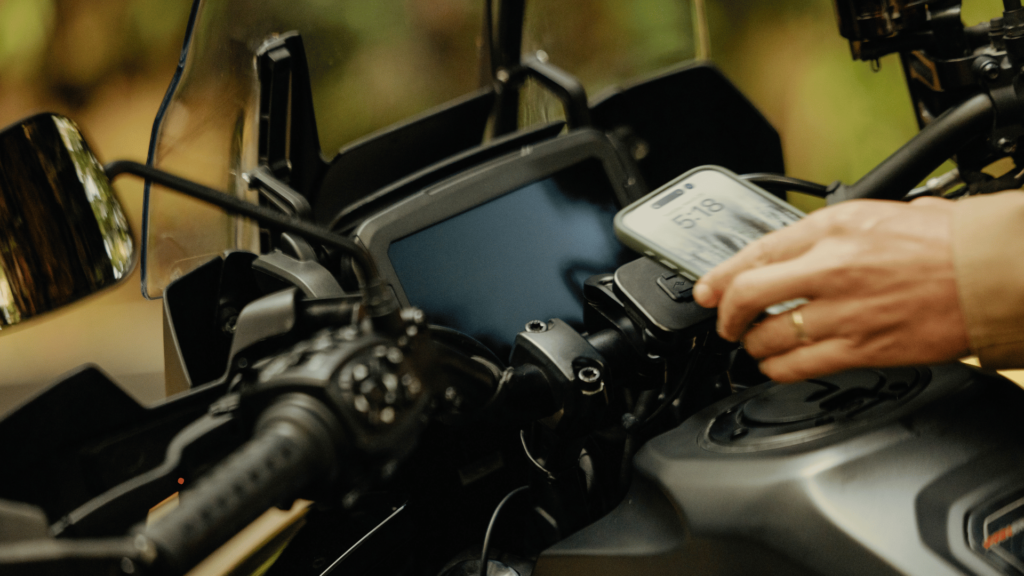
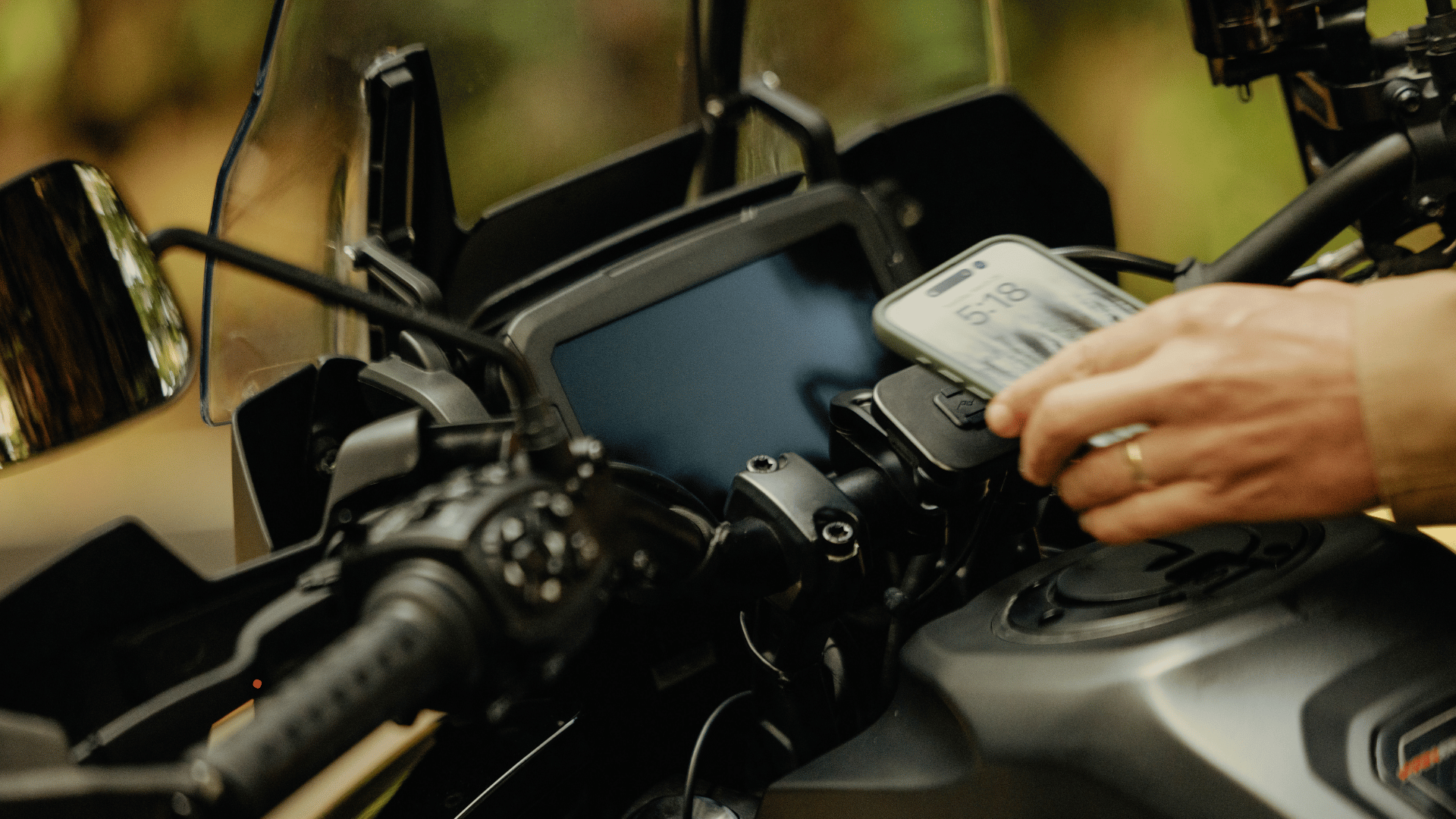
[PRESS RELEASE] Peak Design, the worldwide leader in carry solutions and mobile accessories, is proud to launch their nex-gen Motorcycle Mounts: a best-in-class suite of motorcycle phone mounts featuring blazing-fast Qi2 wireless charging, fastest-in-class phone attachment, and superior vibration protection. Released as part of Peak Design’s 12th Kickstarter, Peak Design Moto Mounts provide riders of all motorcycles, ATVs and scooters a convenient system for mounting, accessing and now charging their mobile phones while throttling around.

The biggest advancement in Peak Design’s new Moto Mounts is the incorporation of Qi2 wireless charging. Qi2 is a new global charging standard that is faster, more powerful, and more efficient, allowing 2x faster peak charging speeds. When using your phone for power-hungry tasks like backroad navigation, Qi2 can be the difference between arriving at your destination fully-charged versus less charged than when you started. Peak Design is the first company to introduce locking motorcycle mounts designed to meet the Qi2 standard.*

Peak Design’s updated Moto Mount suite also features two new mounts—the Brake/Clutch Mount and Mirror Mount—for vastly expanded bike and scooter compatibility. The rest of the line has also received functional and aesthetic updates, most notably the V2 Bar Mount, the company’s most popular Moto Mount.

All Peak Design Moto Mounts boast proprietary SlimLink™ connection technology, which allows users to rigidly lock their phone just by holding it against the mount. Attachment and removal can be done 1-handed and without looking. Peak Design Moto Mounts also have a built-in vibration damping system with best-in-class protection against motorcycle engine vibrations that can be harmful to a phone’s delicate internal components.

“You may not think of Peak Design as a motorcycle brand, but the fact is many folks at Peak Design ride, and we like to design solutions to problems that we ourselves have” said Peak Design Founder and CEO, Peter Dering. “Traditional moto phone mounts are bulky, difficult to use, and unattractive. So, we went to work and fixed it, creating a line of mounts that are gorgeous, fast-charging, and things you’d actually be excited to attach to your bike.”

From July 9 through August 12, 2024, Peak Design’s next-gen Moto Mounts will be available to preorder on Kickstarter for up to 34% off MSRP (MSRP $49.95 - $169.95, depending on the product). Products are expected to ship to Kickstarter backers and become available on peakdesign.com, Amazon, and motorcycle accessory retailers worldwide in December. Customers who pre-order on Kickstarter will also receive a free three-month membership of REVER Pro, the leading app for motorcycle route-mapping and tracking.

*As of July 8th Peak Design Moto Mounts are in the very final stages of Qi2 certification and are fully expected to be officially certified by the end of their Kickstarter campaign.

For more information please visit: http://www.pkdsn.com/ks

About Peak Design

Since 2010, Peak Design has been building innovative carry solutions with a simple overarching design directive: make the best things. The idea for our first product was born on a motorcycle trip through Southeast Asia and has since expanded to include a cross-functional ecosystem of bags, pouches, slings, straps, and clips. We’ve won applause along the way, but we’re most proud of the fact that we’re 100% crowdfunded and 100% employee-owned. We’ve raised $36 Million through 11 Kickstarter campaigns to become the world’s most successfully crowdfunded company. This allows Peak Design to stay investor- free and focused on the things that matter most: designing great products, fostering happy employees, and taking care of our customers and the natural environment. Learn more at peakdesign.com.

We sent out the above press release on behalf of Peak Design. If you're looking for support with your own media relations, don't hesitate to contact us or find more information by clicking here.

Keep on reading...

How to stay on top of SEO in the AI era of 2026

How to stay on top of SEO in the AI era of 2026 The way consumers search for information online is being revolutionized in the era of AI answer engines and LLMs (Large Language Models), but what does that mean for marketing professionals in the motorcycle industry? Essentially, ranking highly and winning search traffic is […]

How to Successfully Promote Local Motorcycle Events

How to Successfully Promote Local Motorcycle Events From café meet-ups and ride-outs to dealership open days and demo events, local motorcycle gatherings are at the heart of the riding community. In this blog, we’ll show you how to promote motorcycle events effectively, using a mix of digital and offline tactics to reach the right riders […]

How Sub-500cc Motorcycles Took Over Europe, The UK And Beyond

How Sub-500cc Motorcycles Took Over Europe, The UK And Beyond Across the globe sales of 300cc-500cc motorcycles have been booming and it’s easy to see why. Light enough to be easy to handle, capable enough to commute on, tour with and hit dirt roads on, they come without the price and weight of big ADVs […]

New opportunities for brands as female racing takes off

New opportunities for brands as female racing takes off

New opportunities for brands as female racing takes off

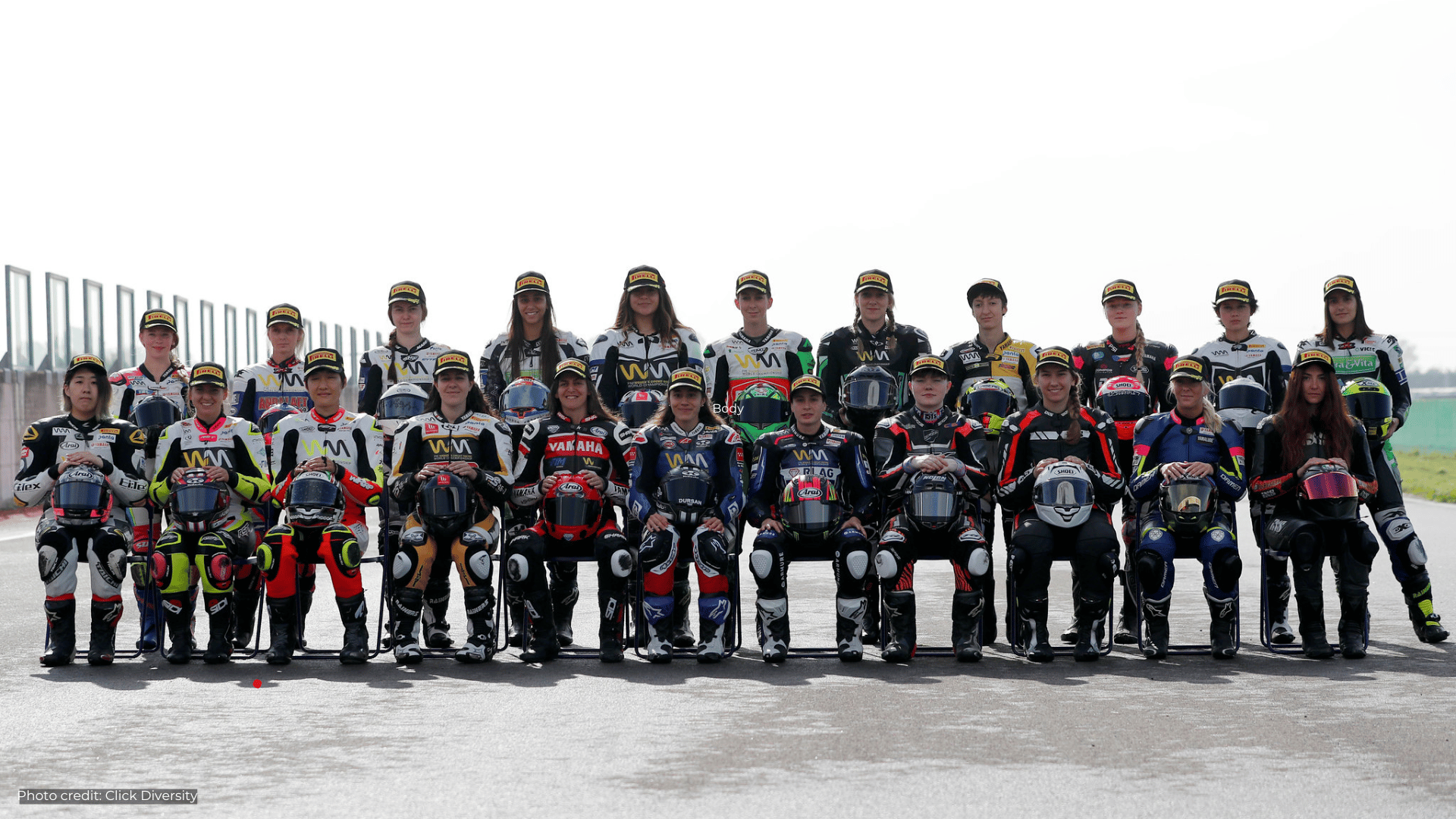
The launch of the exciting new Dorna-backed FIM Women's Circuit Racing World Championship (WorldWCR) is an exciting landmark for female riders. In this article we’ll look at what the new series and a growing female presence on the racetrack means from a commercial perspective and how brands can get ahead of the trend. 

The start of the WorldWCR at Misano in mid-June is an exciting new chapter for female participation at the elite level of road racing. It presents an opportunity for the sport, its key stakeholders, riders and associated brands to promote riding motorcycles to women around the world.

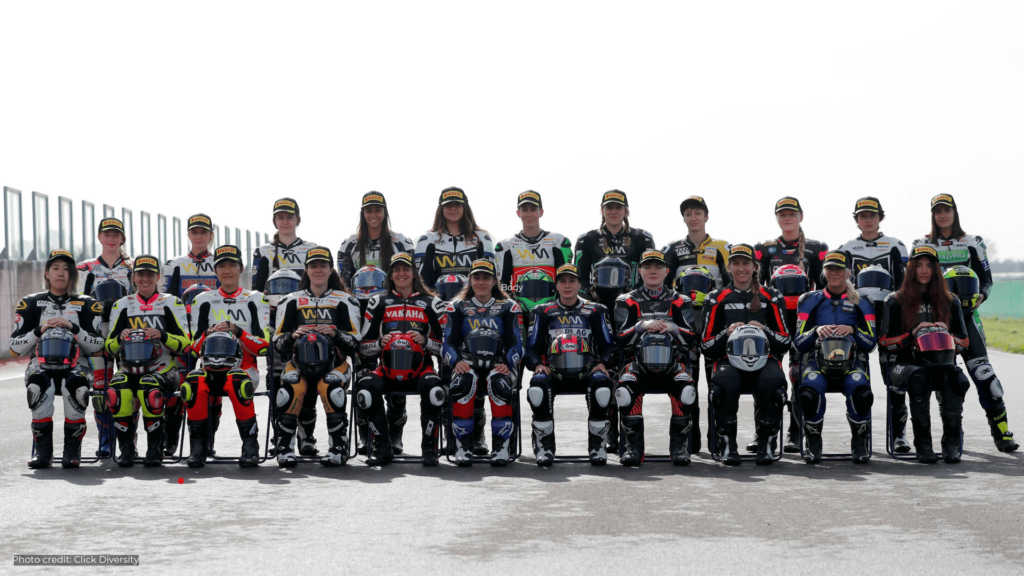
24 riders on Yamahas and Pirellis

The championship will see the riders battle on Yamaha R7 bikes equipped with Pirelli tyres alongside the WorldSBK races at six rounds in 2024, including visits to Donington Park, Portimão, Balaton Park, Cremona and Jerez. All the races will be streamed live and for free on YouTube.

The entry list of riders includes competitors from 18 different countries including Australia, China, Colombia, France, Germany, Italy, Japan, Mexico, South Africa, Spain, UK and USA.

It’s a truly international field and the potential for the championship is massive, especially given Dorna’s pending takeover by Liberty Media, the incoming new owners who have made positive noises about how important the WorldWCR could be in their plans for expanding the sport.

WorldWCR part of a wider Dorna plan

This insightful analysis by Octagon on the opportunities for brands following Liberty Media’s acquisition of MotoGP and Dorna does not specifically focus on the WorldWCR, though it is excellent reading for any brand manager considering a partnership in the sport.

Here on the Motorcycle Marketing blog we have also previously covered related topics such as how to ensure maximum sponsorship ROI in racing and the effectiveness of racing as a marketing tool for manufacturers.

Dorna’s official promotion of the new series states, “As a dedicated space for women in professional racing, the WorldWCR breaks stereotypes, increases representation, and inspires the next generation. Celebrating skill and passion, it establishes a new platform where talent takes centre stage and breaks barriers.”

Plenty of sponsorship ‘white space’

Yamaha and Pirelli have already demonstrated their support by becoming involved right from the word go, but the championship does not yet have its own title sponsor. Many of the teams participating are still looking for sponsors, backers and official suppliers themselves and that presents early opportunities for brands looking for exposure.

2018 WorldSSP300 Champion Ana Carrasco - the only woman to have won a title at World Championship level competing against men – is one of the favourites for the WorldWCR trophy in its inaugural season.

She told worldsbk.com, “The Championship is a very positive idea; it’s important that Dorna and the FIM try to help all female riders. We’re not many and it’s important to get that help. For me, to be in this Championship was also important because for the first time ever, everyone is trying to push the female riders. I’m one of the top female riders around the world so I think it’s good for me to try and be in the Championship in this first year.”

Carrasco is already a star in her own right, a role model to younger female riders across the globe and a Monster athlete. She has partnerships with the likes of Alpinestars, Arai and several more small brands from Spain and Italy, yet is perhaps still undervalued commercially by the larger companies – especially with such a good chance of winning the first ever WorldWCR.

The likely challengers in the first season

So, who are Carrasco’s rivals and fellow challengers for the title? Telling that story is the job of Dorna and the motorsports media. It’s a task that the team here at Motorcycle Marketing will also be involved with as we produce profiles and interviews with the riders on the 2024 WorldWCR grid for the official website.

It was recently announced that the talented Maria Herrera - a regular Moto3 and WorldSSP point scorer and ambassador for the likes of Airoh, Alpinestars, DHL, Oakley and Trek – will be a part of the championship. Herrera has that star quality and the talent to take the fight to her compatriot Carrasco.

The pre-season test at Cremona also provided an indication of who the faster women and contenders for victories will be. Roberta Ponziani, Sara Sanchez and Beatriz Neila were all quick, whilst Australia’s Tayla Relph made history by topping the first ever WorldWCR test session.

Relph then spoke to worldsbk.com, saying, “There’s not enough representation in Australia, we race against the men. I didn’t have a lot of role models in racing growing up, so if I can just convince one more woman to get involved in this sport in Australia, that’s a World Championship to me.”

That quote perfectly captures the positive mood around the WorldWCR and highlights just what a good opportunity it presents to commercial partners at the championship, team and rider level.

Where else are female riders excelling?

Away from road racing at the World Championship level the FIM E-Xplorer World Cup is now in its second season promoting sustainability with mixed teams racing electric dirt bikes in iconic venues. Brands such as Honda, Stark Future and Seven are involved, with female riders competing in partnership with male teammates. There are several strong national MX championships around the world, whilst the FIM Women's Motocross World Championship inaugurated in 2005 has produced incredible off-road talents such as Kiara Fontanesi and Courtney Duncan.

In Rally-Raid the inspirational Vanessa Ruck (AKA The Girl on a Bike) made history earlier this year by becoming the first British woman ever to finish the epic 13-day 6000km Africa Eco Race. 

Helping female riders break down barriers

Supporting pioneering athletes such as those mentioned above provides great value for brands. Offering sponsorships to female racers can significantly boost their careers, their profile and potentially their ability to perform at the highest level, while also promoting the brand in a highly positive light, reaching specific audience demographics. Sponsorship deals can include financial support, providing equipment and well-defined and organised promotional agreements to make the investment worthwhile for both parties.

Partnering with female motorcycle influencers away from racing can also amplify a brand’s reach and credibility amongst both female and male riders. Influencers and brand ambassadors who are not full-time athletes often have more flexibility in terms of the content they can create and can be identified by niche to promote brands to specific segments of motorcycle enthusiasts.

Riders such as Bea Eguiraun, Alina Cateyka, Runa Grydeland, Leonoor Fischer and, of course, Itchy Boots are experienced brand ambassadors and content creators, who know how to represent brands professionally and impactfully.

Females in Motorsport & More Than Equal

For industry professionals interested in promoting and following the progress of women in the motorcycle and motorsports industries we highly recommend following the excellent Females in Motorsport group on LinkedIn or Instagram.

They describe themselves as, ‘Global racing stars and TV presenters to mechanics and wind tunnel technicians. Females in Motorsport is a volunteer-run platform aiming to share as many stories from those working in the industry as possible. We started out as just a small idea in our bedrooms and now we have reached over 25 million people across our articles and social media platforms.’

Meanwhile, crossing over to four-wheels the David Coulthard backed More Than Equal campaign is an admirable initiative working towards the goal of getting female drivers into F1 and ultimately towards producing an female F1 champion. Tellingly, their marketing material includes the assertion that, ‘56% of female fans are more likely to purchase products from companies who support women in sport.’

Plenty of room for growth

In the motorcycle industry the upside to investment in women’s racing and marketing to women is huge. Visor Down quoted UK government data updated to 2022, for example, showing that the percentage of female motorcyclists in the country was under 14%, whilst for France the most up to date figures from Statista show that number as below 16%. In short, there are a lot of potential future female motorcycle riders out there who are not yet two-wheel converts.

As female participation in motorcycle racing increases, brands and manufacturers have a unique opportunity to engage with this potentially rapidly expanding market segment. By addressing the needs and interests of female riders, companies can support the evolution of the sport, foster brand loyalty and drive sales.

If you’re interested in the commercial opportunities surrounding female racing or simply wish to connect more with the female motorcycling community contact the experienced team here at Motorcycle Marketing today for a free consultancy session.

Keep on reading...

How to stay on top of SEO in the AI era of 2026

How to stay on top of SEO in the AI era of 2026 The way consumers search for information online is being revolutionized in the era of AI answer engines and LLMs (Large Language Models), but what does that mean for marketing professionals in the motorcycle industry? Essentially, ranking highly and winning search traffic is […]

How to Successfully Promote Local Motorcycle Events

How to Successfully Promote Local Motorcycle Events From café meet-ups and ride-outs to dealership open days and demo events, local motorcycle gatherings are at the heart of the riding community. In this blog, we’ll show you how to promote motorcycle events effectively, using a mix of digital and offline tactics to reach the right riders […]

How Sub-500cc Motorcycles Took Over Europe, The UK And Beyond

How Sub-500cc Motorcycles Took Over Europe, The UK And Beyond Across the globe sales of 300cc-500cc motorcycles have been booming and it’s easy to see why. Light enough to be easy to handle, capable enough to commute on, tour with and hit dirt roads on, they come without the price and weight of big ADVs […]

How to market to riders of different age demographics & skill levels

2024-05.2 - How to market to riders of different age demographics & skill levels

How to market to riders of different age demographics & skill levels

As trends and fashions evolve in the motorcycle industry, understanding the diverse preferences and skill levels of riders is paramount. Various demographics in the riding community require a tailored marketing approach and in this article we’ll explore how brands can target different age groups and skill levels with precision.

Appealing to the younger generation of riders could include embracing innovation, style, connectivity and sustainability. Meanwhile, for older riders, safety, reliability, heritage and trust might play more significant roles in their purchasing decisions.

Appealing to younger and inexperienced riders

Convincing younger and newer riders to choose motorcycles over other forms of transportation requires emphasising some of the numerous benefits of riding, whilst also reducing the barriers to entry which might be holding them back.

Before buying a motorcycle for the first time many new riders will consider various factors such as overall cost, payment options, insurance cost, ease of rideability, the environmental impact, style and design, plus the sense of freedom and adventure a motorbike can provide.

Mutt’s superb range of 125cc Café Racer and Scrambler style models are specifically aimed at bringing young or inexperienced riders into the scene in style. Given their commercial success it would not be a surprise to see their range of bikes continue to expand, whilst other brands clearly try to copy their business model. 

Manufacturers and their marketing departments should be thinking, ‘are we doing enough to make it onto lists such as Adventure Bike Rider’s 11 of the best 125cc adventure bikes money can buy or Visor Down’s Best beginner motorcycles for learners and new starters?’

A plethora of options in the 125cc market

In truth, there has probably never been more on offer for riders at the 125cc engine capacity level and below – these are bikes which of course can be ridden before riders graduate to a full A2 motorcycle license in most Western countries. Manufacturers are increasingly considering features such as low seat height, adjustable power delivery, electronic rider aids and lightweight construction. Yamaha's XSR 125cc, with its accessible ergonomics and smooth power delivery, is ideal for novice riders.

Also offering flexible payment options, whereby customers pay monthly or quarterly for bikes and gear can clearly make a big difference.

When it comes to accessories, 24MX cater specifically well to the entry-level off-road market and have even created their own brands such as Raven which are affordable for those starting out with smaller budgets. 

Motorcycles also offer significant fuel savings and lower maintenance costs compared to cars and smart brands will emphasise the economical aspect of riding in their marketing campaigns. The cost of insurance is a particular consideration especially for younger riders seeking more powerful machines, so there is an opportunity in the market for manufacturers and dealerships to collaborate with insurers to offer more innovative and affordable options.

The electric conundrum

With increasing environmental awareness, especially amongst younger people, electric and hybrid motorcycles could provide a win-win for younger riders and those new to riding motorcycles, in particular in urban environments where charging is easier and restrictions on emissions are often stricter.

The zero emissions, minimal maintenance, ‘no noise’ and ‘no clutch’ aspects of electric bikes give them obvious appeal to eco-conscious younger or new riders, especially as they may not be so attached to the traditions of internal combustion engine machines.

However, going fully electric is a huge challenge for the motorcycle industry, a subject we have covered in depth previously here on the Motorcycle Marketing blog. But cheap, fun electric motorcycles like the Surron Ultra Bee are extremely popular with the younger demographic in the UK for example.

Even whilst we wait for the bike industry to pivot more towards electric motors and alternative fuels, marketers can already emphasize the green benefits of riding traditional motorcycles, such as lower fuel consumption, lower carbon emissions during production and sustainability through upcycling or electric conversion of older bikes.

The impact of live events

For many youngsters attending live events, such as industry shows, festivals or World Championship races is a gateway into a lifetime love affair with motorcycles. Catering to younger audiences at those events, with special offers, interactive initiatives, test rides, riding academies and workshops can result in gaining customers for decades into the future. 

The motorcycle industry has come a long way in terms of safety awareness and the development of hardware and equipment to improve security. Continuing to place a focus on these important issues is vital for brands in our industry, as we collectively educate younger riders, new riders and their family members on safe riding.

How to market to older and established riders

For older riders, brand heritage, performance, comfort, reliability and building collections can play a major role in their decision making when it comes to buying bikes and gear.

Harley-Davidson's bikes, renowned for their comfortable seats and ergonomic designs, have classically catered to this demographic seeking a relaxed riding experience for many decades, with many other brands aiming to tap into that market segment.

In addition to touring bikes, an interesting trend in recent years has been the increased popularity of adventure bikes and dual-sport machinery. These types of bikes can be hugely appealing to older, suburban based riders who may need a bike to commute with during the week but want to escape for longer or off-road rides at weekends.

Royal Enfield have enjoyed huge success with their Himalayan 450 which has allowed them to build on the heritage and tradition of their revamped brand, whilst offering a practical model which allows riders to take their off-road and adventure riding to the next level at a highly reasonable price point. We can expect more brands to foray into the small and mid-size adventure market in the coming years, as many urban riders look to expand their horizons.

The revival and rise of Triumph over the past 20 years under the leadership of the Bloor family has been a phenomenon, playing on the rich history of the brand and creating an impressive range of mid to large size motorbikes, particularly popular with older or more experienced riders.

The Triumph Factory Custom program further builds on that heritage, offering ‘an exclusive limited edition lineup of ultra-premium custom motorcycles that represents the best of Triumph Motorcycles.’

Norton is another classic British brand leveraging nostalgia to attract experienced riders who want to stand out from the crowd. Inspired by vintage English motorcycle design, the Birmingham based brand are aiming at the luxury end of the market, with top-end models for riders who appreciate timeless design and craftsmanship. Their bikes and the associated branding is not aimed at beginners.

Advanced features to enhance the experience

All the major brands now incorporate advanced features, such as weather modes, traction control, adaptive headlights, electronic throttles and cruise control on many of their bikes. These may offer reassurance to older riders regardless of their ability level and are also excellent upgrade options for established riders who may wish to stay brand loyal whilst renewing their machinery.

Experienced, street-wise riders may also be more willing to part with their cash to acquire riding gear with advanced technology such as airbag jackets, to purchase premium bike accessories for longer rides or to sign-up for membership of services such as REALRIDER, with its innovative Motorcycle Crash Detection & Emergency Alerting smartphone app functionality.

More experienced riders are also more likely to demand high-performance machines that complement their skills and deliver exhilarating performance. So when targeting this demographic brands should focus on highlighting the power, speed and agility of their bikes.

Organising track days and events allows more established riders to test the limits of their abilities in a controlled environment. Ducati’s Racetrack Academy events and their World Ducati Week are great examples of a brand rewarding customer loyalty and enhancing their connection with many of the experienced riders who are so proud to ride their bikes.

Online targeting to reach only the demographic you require

With online marketing, brands can get granular with their targeting by age group and other demographic signals, whether that’s through social media marketing, social media advertising or influencer marketing – which are all services offered by Motorcycle Marketing.

When it comes to social media it’s common knowledge that different age demographics prefer different platforms, but let’s take a look at the real data on that so we know how to align our efforts.

According to Statista data 56% of Facebook users in the USA are aged 35 or over, with 24.4% in the 25-34 year old category and 18.8% aged 18-24. Meanwhile, when it comes to Instagram users the audience is younger with 70.4% of them being under 35 and almost 85% under 45.

With regard to TikTok, Statista tells us ‘over 76 percent of U.S. social media users aged between 18 and 24 years were on TikTok’, whilst 25% of TikTok’s U.S. users are 19 or under. For Snapchat, Hootsuite reports that nearly 60% their audience is aged 24 or under, whereas for YouTube that figure is just 30%. Indeed Oberlo states that nearly half of YouTube’s audience are aged 35 or over.

Although these statistical trends are not breaking news, it is worth regularly checking in on the demographic data of the major platforms, in order to put your most relevant content in the most relevant places. In addition, creating content more likely to appeal to one demographic than another is also worthwhile, as is promoting that content using Google and Meta’s powerful audience segmentation tech.

Working with the right influencers

Selecting the right influencers to represent your brand requires careful consideration in terms of their relevance and authenticity.

The audience of a younger, German female motocross rider is likely to be highly different to that of well-known older male Hollywood actor who just happens to like motorcycles. Diving into the analytics behind the social media accounts of your potential collaborators can be highly revealing, as can their attitude to working with brands and/or specific target demographics. Who is more relevant to your brand and your objectives?

In conclusion, effective motorcycle marketing involves understanding the unique needs and aspirations of riders across different demographics and skill levels. By tailoring marketing strategies to resonate with each segment, brands can build stronger connections and drive greater commercial success in this competitive industry.

If you’re looking for help with targeting a specific demographic of motorcycle riders, contact the experienced team here at Motorcycle Marketing for a free consultancy session.

Keep on reading...

How to stay on top of SEO in the AI era of 2026

How to stay on top of SEO in the AI era of 2026 The way consumers search for information online is being revolutionized in the era of AI answer engines and LLMs (Large Language Models), but what does that mean for marketing professionals in the motorcycle industry? Essentially, ranking highly and winning search traffic is […]

How to Successfully Promote Local Motorcycle Events

How to Successfully Promote Local Motorcycle Events From café meet-ups and ride-outs to dealership open days and demo events, local motorcycle gatherings are at the heart of the riding community. In this blog, we’ll show you how to promote motorcycle events effectively, using a mix of digital and offline tactics to reach the right riders […]

How Sub-500cc Motorcycles Took Over Europe, The UK And Beyond

How Sub-500cc Motorcycles Took Over Europe, The UK And Beyond Across the globe sales of 300cc-500cc motorcycles have been booming and it’s easy to see why. Light enough to be easy to handle, capable enough to commute on, tour with and hit dirt roads on, they come without the price and weight of big ADVs […]

Effectively localising your marketing strategy for international markets

How to effectively localise your marketing strategy for international markets

Effectively localising your marketing strategy for international markets

Reaching and engaging with riders in varying international markets requires more than simply translating campaign materials. In this article, we’ll explore key strategies to effectively localise your marketing efforts for specific geographical territories in the motorcycle industry.

Effective ‘localisation’ will enhance the authenticity of your messaging and protect the credibility of your brand. In turn this should increase engagement, conversion rates, sales and customer retention. Localisation involves understanding the unique preferences, cultural nuances and market trends of each target market audience.

Demonstrate local knowledge in copywriting and content creation

To ensure your marketing copy looks authentic to international audiences, Motorcycle Marketing always recommends working with native speakers and wherever possible, those collaborators should be riders themselves.

Incorporating local vocabulary, informal messaging where appropriate and local cultural references can make a big difference to whether riders trust your brand or even take your campaign seriously enough to associate themselves with your product.

The same goes for the audio-visual content you create to market your product. Marketers should use images and videos that resonate with the target audience’s surroundings and the environments they will be riding in. This is easier when shooting off-road bikes which do not display number plates (license plates), for example, as opposed to shooting street legal bikes where the location of the shoot and model are easily distinguishable.

Avoid generic stock photos and opt for authentic, locally relevant visuals. Be mindful of cultural nuances and sensitivities when creating content as what might be acceptable and interesting in one country could be irrelevant or even offensive in another. 

Yes, sure it is possible to create highly targeted campaigns through Google Ads and the Meta Business Suite, right down to specific locations, but if the ad campaigns you display are not well crafted, you’ll be throwing money down the drain. With local expertise, you can also adapt your promotions and offers to suit the purchasing behaviour and preferences of each country's audience.

Influencer marketing and learning about local scenes

Riders often tend to respond more positively to influencers and brand ambassadors who come from the same country or scene as them. It can be well worth the investment to connect with influencers who are prominent in the motorcycle community of each country you’re selling into.

Influencers who resonate with the local audience and share similar riding experiences will provide a sense of familiarity and credibility, enhancing a brand's connection with the audience. Your brand ambassadors, partner influencers and collaborators don’t always need to be of exactly the same nationality as your target audience, but they definitely should know how to communicate with them. Do they speak the language of your target market and can it be demonstrated that a significant percentage of their followers and fans come from your target demo? 

Using relevant localised hashtags and geotags in social media posts can also help to increase visibility within the target market.

Live events provide a doorway into a market

Having a presence at specific industry events, shows and festivals, which are well-attended by the type of riders you’re selling to - in a specified location - can yield powerful results. 

Each year, members of the Motorcycle Marketing team and the brands we represent get in amongst the riding communities at a whole range of live events, such as Motorbeurs Utrecht (Netherlands), Salon de 2 Roues (Lyon, France), Adventure Experience (Barcelona and Madrid, Spain), Wheels and Waves (Biarritz, France), ABR Festival (Warwickshire, UK), MaxlRIDE (Bavaria, Germany), EICMA (Milan, Italy) and Motorcycle Live (NEC Birmingham, UK). Attending these events allows brands to create new connections with audiences and partners, as well as observing trends on the ground and staying ahead of the pack.

Marketing beyond borders: seasons and regions

As well as national trends and variations, consider regional differences in riding seasons when planning your marketing strategy. In northern countries or states where the riding season is limited, focus on promoting gear suitable for colder climates and emphasise activities like motorcycle maintenance workshops, or shorter coffee shop rides. In regions with year-round riding seasons like the south of Europe, the focus can shift to commuter comfort, long-distance touring and outdoor adventure in the winter months.

The all-important American market

The American motorcycle market is synonymous with freedom and adventure. Brands entering the US market often tap into themes of independence, exploration and the vast open road, utilising imagery of epic landscapes and iconic American landmarks.

Proud U.S. brands such as Buell Motorcycles, Boss Hoss Cycles and Indian Motorcycles typify the classic American aesthetic. According to Statista data Harley-Davidson is still the biggest selling motorcycle brand in the US with 20.5% market share closely followed by Honda with 19.9% share of total market sales.

In fact, between the Japanese brands Honda, Yamaha, Kawasaki and Suzuki they sell almost half the motorcycles purchased annually (49.5%), demonstrating the power of offering a wide range of reliable and trusted models at reasonable price points to the American consumer.

The biggest selling European brand BMW have only managed to achieve a 3.1% market share, perhaps pointing to an opportunity for the likes of KTM, Ducati and Triumph to exploit in the future. The U.S. is by far the biggest market in the world for dirtbikes (motocross, enduro and dual-sport bikes) and both Ducati and Triumph have announced off-road models in recent years.  

When it comes to marketing bikes and accessories to American riders, Motorcycle Marketing's U.S. based collaborator Haley Rae Shoning advises, “I find that the most important way to localise your marketing strategy is to perform in-depth market research—and when I say market research, I mean more than just tracking consumer behaviour and economic trends. In order to effectively market to riders in a particular location, you have to really understand who those riders are.”

“It’s key to understand what kinds of riding are most popular in what areas so that you can tailor your marketing strategy to reflect that. For example, adventure riding and enduro riding are much more popular in states like Colorado and Idaho than in the Midwestern United States, which is mainly flat.”

She adds, “On that same note, if you are marketing to the United States from another country, it’s important to understand the cultural differences in speech patterns, language, and slang in order to ensure that your marketing copy is relatable to your audience. Understanding who your audience is - their ages, for example - will help you further narrow down the kind of language that they will relate to the most.”

The Motorcycle Industry Council for USA is a well-established and highly active industry body in the U.S. which organises the huge annual AimExpo trade show and is worth connecting with. New brands to the American market should also consider that local state regulations with regard to imports, tax and homologation can vary considerably.

British motorcycling: heritage & tradition

When it comes to the British market, which is one of the most developed and diverse in the world, it’s worth looking at the publicly available data from the Motorcycle Industry Association on the numbers and types of bikes being sold in the UK each month. From that data you can assess current trends, though the UK also has a rich motorcycling history so it’s important to connect with industry professionals who know the market well themselves.

Englishman Joseph Beale is member of the Motorcycle Marketing team and has been working in the industry for nearly 20 years, with brands such as MotoGP, the Dakar Rally and Yamaha. 

He comments, “Although the UK is relatively small geographically compared to the U.S. or the larger European countries, we do have a pretty big riding population, I believe it’s way over one million active riders. Almost every type of bike you can think of has an audience in the British market.”

“It’s cool to see what brands like Triumph, Mutt, Norton and BSA are doing, playing on their British heritage and selling lots of bikes domestically and globally. So it’s definitely a country you want to get your marketing spot on in, whether that’s by working with well-known British influencers, having a presence at our biggest bike shows or creating marketing campaigns which are clearly made in, or for the UK.”

“We ride on the other side of the road to Americans and mainland Europe and our number plates are quite distinctive, as is some of our popular riding gear, so non-British brands need to take that into account when they create their campaigns.”

Looking north: Scandinavian values

Thomas Hansen, a video creator and Motorcycle Marketing collaborator based in Norway, who works with brands such as Dunlop, Yamaha, Peak Design and Mosko Moto explains how to connect with riders in his local markets. “Scandinavian people tend to appreciate a direct and clear communication style and I would shy away from excessive hype and over promotion like we tend to see in a lot of commercials these days. Focus on functionality and value. If it feels expensive we love it,” says Thomas.

“Most Scandinavian people are eco conscious and are willing to pay extra for high quality and functional garments. We also pay extra attention to safety and how this can enhance our riding experience in colder climates,” he adds.

On localising campaign materials effectively, he also has some specific tips. “Most advertisements in Norway are in English, so this is no problem at all for most riders,” he notes. “But make sure to have local references or local currency. We tend to stay away from prices displayed in a different currency.”

So advertising to Scandinavians with prices in dollars, euros or pounds, might impact your conversion rates, whereas showing local prices in Norwegian Krone, Danish Krone or Swedish Krona can create additional trust and resonance.

Dutch market: Practicality and cost-awareness

Motorcycle Marketing founder Thalassa van Beek is Dutch and offers her thoughts on how to market effectively to her compatriots. “In the Netherlands, motorcycles serve as a smart solution for both daily commuting and leisure, given the compact geography and frequent traffic congestion,” she explains.

“Many Dutch riders take advantage of their bikes during the workweek and then enjoy cross-border trips on weekends and holidays. The local climate makes waterproof gear a top priority for these practical and adventurous enthusiasts.”

Thalassa adds, “Dutch motorcyclists are deeply connected to trends, often drawing inspiration from popular influencers, top athletes and their social circles. They enjoy being well-informed and are eager to discuss the latest products, materials and innovations. This community values both high-quality products and exceptional service, but remains budget-conscious, always on the lookout for the best deals.”

Tapping into the French rider market effectively

Bérenger Cyne is a French photographer and graphic designer who works with the Motorcycle Marketing team and rides Suzuki and Honda bikes himself. On marketing to riders in France he says, “Urban riders in big cities like Paris, Lyon or Marseille take short trips and daily commutes due to traffic density and speed limits. The types of motorcycles they use are therefore scooters, small-displacement bikes like 125cc to 300cc and multi-purpose or manoeuvrable bikes. In rural or mountainous regions, French bikers are clearly more likely to ride for pleasure and landscape discovery, so they go for trails and road bikes.”

“We're also fortunate to have some fine circuits and host a number of races like Le Mans 24hrs, MotoGP and MXGP. There are also numerous motorcycle festivals. Whether it's to discover new trail models at Alpes Aventure Moto Festival, multi-brand novelties at Salon du 2 Roues de Lyon, do track tests at High Side Festival or go retro at the Normandie Beach Race. There's something for every taste and every age all over the country.”

Marketing to German riders: Copywriting is key

Motorcycle Marketing's resident German rider market expert Juliane Eger says authentic localisation is important in her country. She acknowledges, “In my experience, even though most people in Germany speak English, it appears to me that they prefer interacting in German. Brands should pay particular attention to the correct use of the country's language, especially biker language and avoid translation errors.”

Picking out an example of a company which she feels markets well to German consumers, Juliane notes, “Louis is a good example. Their marketing is very present and they reach a broad age range of riders.”

Europe: not just one big market

It’s crucial to understand that Europe is not just one homogenous market. Each country has its own distinct culture, language and preferences as highlighted by some of our team members in their insights above.

Tailoring your marketing approach to each territory is essential for success. Motorcycle Marketing client Peak Design did exactly that when they first engaged with us early in 2023, in a partnership which successfully continues to this day.

Our founder Thalassa explains, “Peak Design is renowned among photographers globally, including in Europe, for its innovative products. In a strategic pivot, the company extended its expertise to designing phone accessories specifically for motorbikes, driven by the team’s genuine passion for motorcycling. Realising they needed to go beyond their usual channels to connect with European motorcyclists, they teamed up with us at Motorcycle Marketing.”

“Our collaboration has led to the establishment of a top-notch ambassador program spanning over 13 countries, alongside securing coverage in various media outlets. Additionally, we provide strategic consultation on event marketing, carefully selecting the most impactful events across Europe and devising comprehensive strategies to maximise exposure and engagement at each exhibition.”

In conclusion, localising your motorcycle marketing strategy for international markets requires a deep understanding of each target audience's preferences, culture and market dynamics. By adapting your approach to specific regions and demographics, you can effectively engage with riders around the world and build a strong global brand presence.

Want help with internationalising your marketing campaign? Contact the Motorcycle Marketing team today for a free of charge consultancy session.

Keep on reading...

How to stay on top of SEO in the AI era of 2026

How to stay on top of SEO in the AI era of 2026 The way consumers search for information online is being revolutionized in the era of AI answer engines and LLMs (Large Language Models), but what does that mean for marketing professionals in the motorcycle industry? Essentially, ranking highly and winning search traffic is […]

How to Successfully Promote Local Motorcycle Events

How to Successfully Promote Local Motorcycle Events From café meet-ups and ride-outs to dealership open days and demo events, local motorcycle gatherings are at the heart of the riding community. In this blog, we’ll show you how to promote motorcycle events effectively, using a mix of digital and offline tactics to reach the right riders […]

How Sub-500cc Motorcycles Took Over Europe, The UK And Beyond

How Sub-500cc Motorcycles Took Over Europe, The UK And Beyond Across the globe sales of 300cc-500cc motorcycles have been booming and it’s easy to see why. Light enough to be easy to handle, capable enough to commute on, tour with and hit dirt roads on, they come without the price and weight of big ADVs […]